- Private car and driver in Delhi / India
- +91-8447445445
- info@discoverindiabycar.com sugar.ankit@yahoo.com
 +91-9818434712
- Follow us:



10 Offbeat Places in North India You MUST Explore by Road
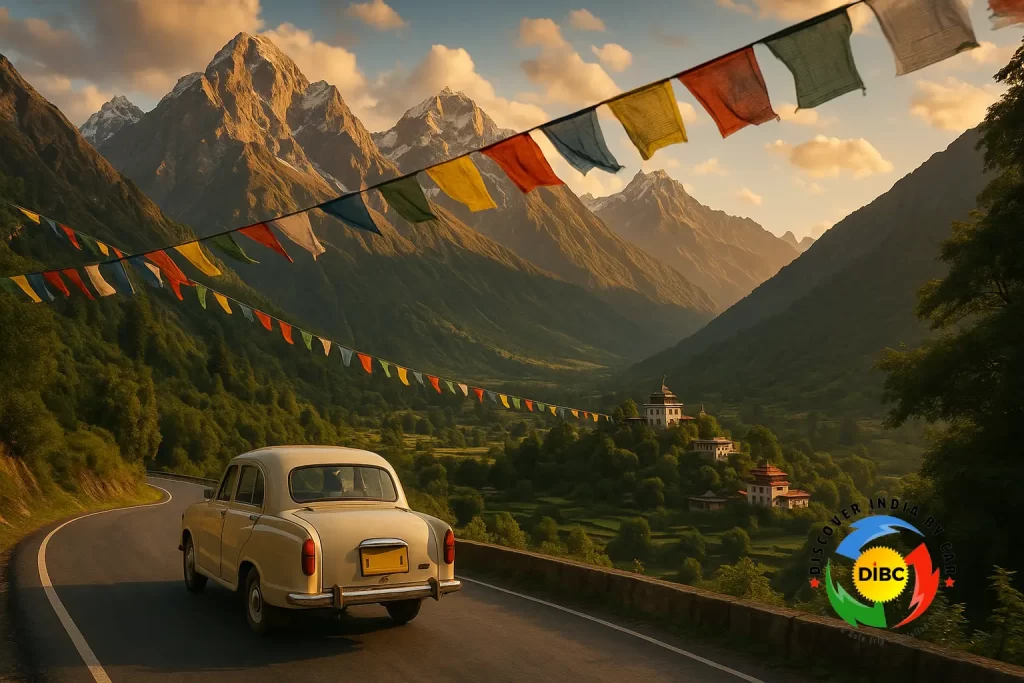
Looking ahead to 2025, a new wave of wanderlust is rising: a longing to wander far from the crowds and really touch the places we visit. No one wants to merely collect selfies with the same tired landmarks anymore. We want to breathe the air of a place, share a smiling conversation, and feel the calm of an undiscovered corner. That’s why the quiet, offbeat corners of North India are now the places everyone wants to be.
The only way to drink deep from these hidden springs is by road. A road trip is more than a route; it’s the chance to slow down, to turn left instead of right at a sign that leads to nowhere, and to sit with a village elder under a banyan tree while the sun drapes everything in gold. You can explore in loops and spirals, following the road and your curiosity wherever they might lead.
This guide from the wanderers at discoverindiabycar.com is your treasure map. We’re taking you past the crowds and the guidebooks to valleys that don’t tweet back, crumbling forts that have forgotten the taste of tour buses, and tiny hamlets that carry the real heartbeat of India. Buckle up: the true journey is about to begin.
Why Go on a Road Trip to Off-the-Map Places?
At discoverindiabycar.com, we’ve charted thousands of routes, and the stories you never forget always start on the open road. One time, a still-remembered photographer from Amsterdam wrote us asking to catch the “real Himalayas.” We cooked up a plan that skipped the busy tourist lanes. A month later he emailed, “The frames I love best show kids waving from a schoolyard, and the chai break when Raju translated for a farmer. Forget the forts—this was my India.”
When I read that, I knew we’d nailed what offbeat travel is all about.
Why Road-Trip to Hidden Corners?
Breathe in True Culture: Chat with grandmothers over fresh rotis, laugh with cricket-playing boys next to a village well, and eat a meal in a dhaba that never makes a travel magazine.
Stumble on Treasure: The quiet temple carved into a hillside, the sparkling pool between two hills, and the hillside viewpoint lit with sunset—they’re not on Google. A winding road lets you find them.
Freedom to Roam: Want to linger in that sunset-lit meadow? Do it. A sign for a hilltop viewpoint catches your eye? Go. The road is yours, and your plan is only a guide, not a rule.
Traveling in your own car gives you the freedom to move at the pace you like, while knowing everything from cleanliness to security to your bags is already sorted.
A road trip reveals India in a way flights and trains never can. With our Private Car with Driver, you get more than a comfortable ride—you travel with a local who knows the shortcuts, the stories, and the best-kept secrets.
Here are ten hidden gems in North India our team has chosen for their easy drive, their quiet beauty, and their rich mix of nature and culture.
Chopta, Uttarakhand—The Mini Switzerland of India
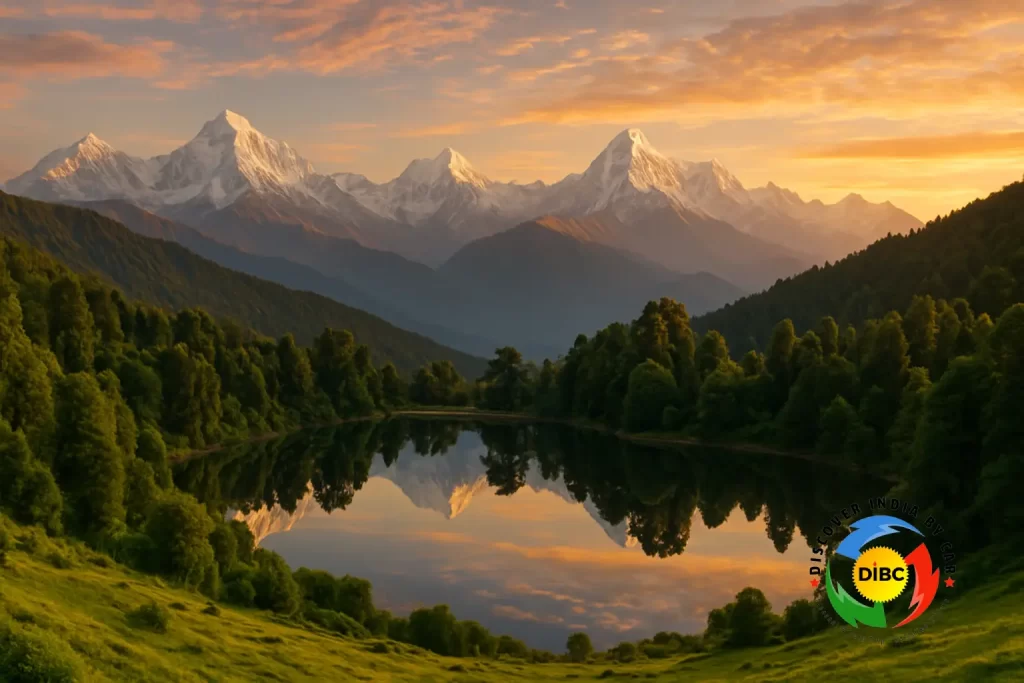
Tucked away in the Garhwal Himalayas, Chopta is a tiny, peaceful village of bright green meadows and thick forests. From here, you can hike to Tungnath, the highest Shiva temple in the world, and the horizon opens to a ring of giant peaks, including Nanda Devi, Trishul, and Chaukhamba, giving you a view that feels like a postcard come to life.
📍 Getting There: Drive the 450 kilometers from Delhi to Chopta, passing through Rishikesh and Rudraprayag. The stretch past Devprayag, where the Alaknanda meets the Bhagirathi, feels like a living prayer and paints the road with light and water.
🧳 Highlights: Start the day with a trek to Tungnath Temple and climb to Chandrashila Peak just before sunrise—the first rays set the sky on fire. Visit Deoria Tal, a mirror-still lake that frames the floating form of the Chaukhamba peaks. Spend unhurried hours lying on the meadows, breathing alpine air that feels like a gentle conversation with the mountains.
🚘 Why It’s a Secret: Rishikesh buzzes with travelers, but Chopta whispers to trekkers and forest lovers. The hills guard the place from too many shops and signs, letting the wild stay wild.
🌐 Local Secret: Sleep in a tent by the river or in a simple village guesthouse. Ask your host for Bhang ki Chutney, a tangy green dip made from hemp seeds, and taste a bite of Garhwali hospitality.
2. Tirthan Valley, Himachal Pradesh – The Valley’s Quiet Heart
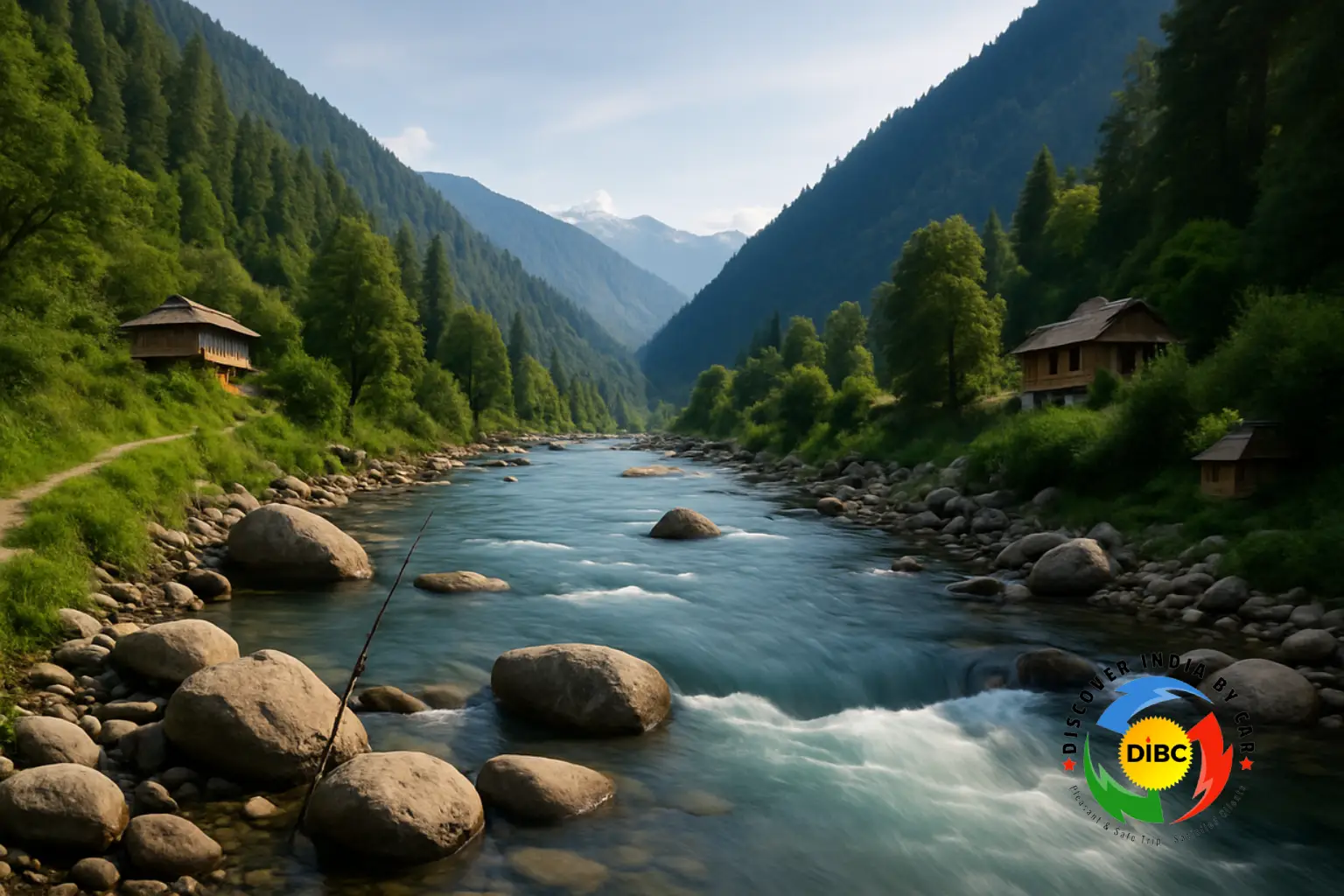
Tirthan Valley lies inside the curve of the Great Himalayan National Park, which the world has named a treasure. The Kullu district holds it like a secret pocket. The Tirthan River, clear as glass and cold as memory, weaves through, inviting anglers, trekkers, and daydreamers to forget the rest of the world.
📍 How to Get There: Drive to Aut on the Delhi-Manali highway. From Delhi, the route is about 430 km; once you hit Aut, switch to the winding link road that hugs the hills, leading you to Banjar and the spell-binding Tirthan Valley.
🧳 What To Do:
- Grab a fishing rod and, with a permit, cast for rainbow trout in the clear Tirthan River.
- Lace up for the climb to Jalori Pass, and let the surprise of Serolsar Lake’s emerald waters sink in.
- Seek out the tall, stone Chehni Kothi, a centuries-old tower that’s part temple, part fort, and all about fairy-tale feel.
🚘 Why Tirthan is Unique: While Manali buzzes with tourists, Tirthan stays low-key, focusing on nature. No big resorts, just tiny wooden homestays and the sound of the river, encouraging you to travel gently.
🌐 Local Hint: Book a homestay in Gushaini or Nagini, and in the cool dusk, gather around a riverbank bonfire with a glass of homemade apple cider, the village’s sweet secret.
3. Kangra, Himachal Pradesh – Forts, Art, and Scenic Rides
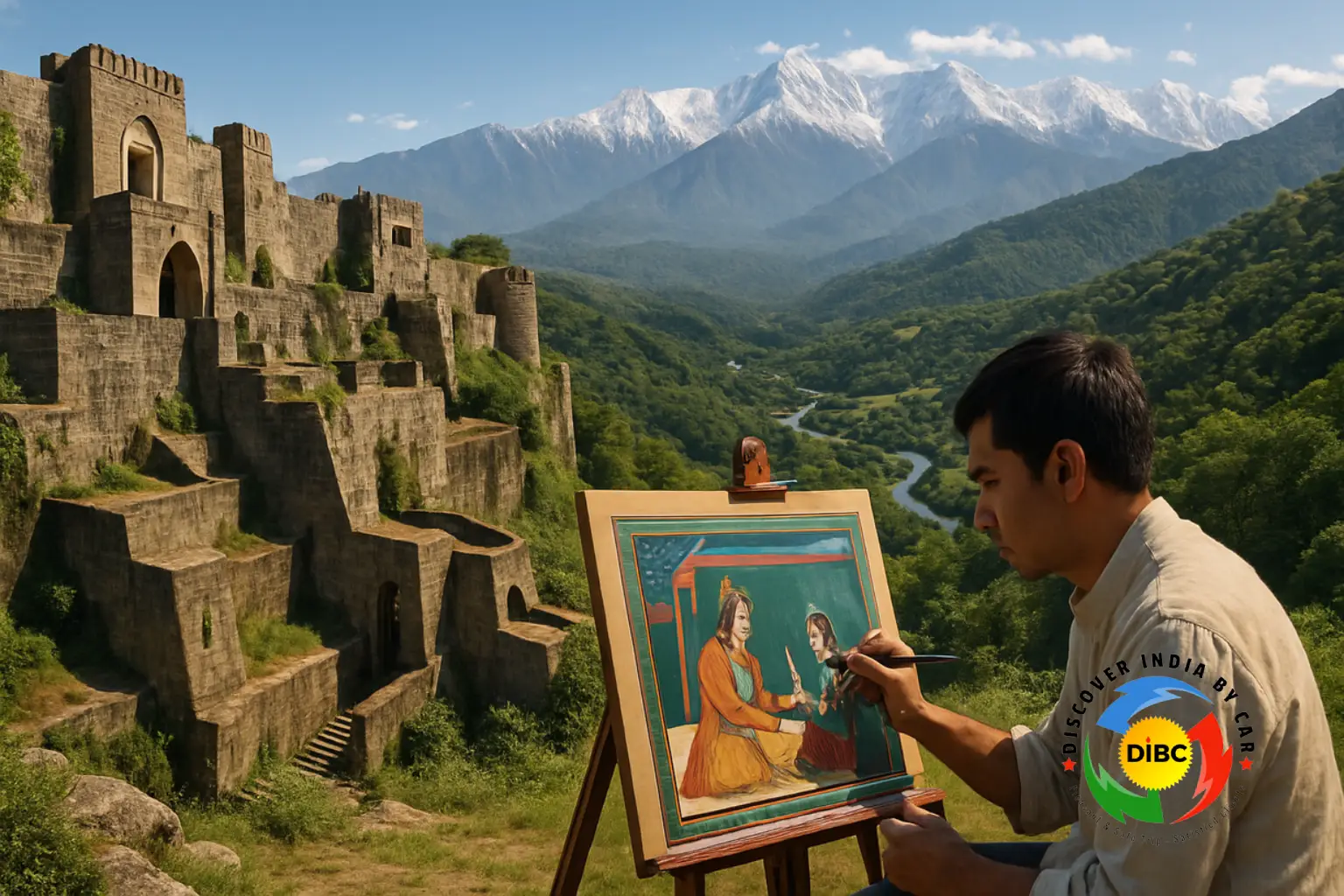
Often lost behind the chatter of Dharamshala and McLeod Ganj, Kangra Valley is a quiet gold mine of forts, paddy fields, and the smoothest tea gardens. The air hums with history, the roads are slow and scenic, and the crowds are thin, giving you room to breathe and wander.
📍 How to Get Here: A smooth drive from Delhi (about 470 km) or Chandigarh (about 235 km) puts you on a wonderful road that grows prettier as you enter the valley, with the grand Dhauladhar Mountains rising behind you.
🧳 What to Do / Can’t-Miss Spots:
- Wander the grand Kangra Fort, one of the oldest forts in India, where the stones whisper stories of ages past.
- Stand in awe at the Masroor Rock Cut Temple, carved from a single rock in the 8th century, often called the “Himalayan Pyramid” for its bold shape.
- Stroll through the Andretta pottery village, where spinning wheels and kilns celebrate the art of mud and fire.
🚘 Why It’s Quiet: While most travelers zoom straight to McLeod Ganj, Kangra invites you to linger among ancient roots and gentle mountains, far from the crowds. The drives from Kangra to Palampur and Bir are a painter’s palette of valleys and tea fields.
🌐 Local Hint: Pause for lunch in a small café on a Palampur tea estate. A cup of fresh Kangra tea, warm and fragrant, enjoyed with the green rows of bushes below the terrace, feels like a postcard in your hands.
4. Pangot, Uttarakhand – Heaven for Birdwatchers

Only 15 km from the bustling heart of Nainital, Pangot is a hush of a village in the Kumaon hills. Here, the streets are quiet and the trees are loud—over 580 kinds of birds have been spotted flitting through the canopy, making every silent moment a song.
📍 How to Get Here: Leave Delhi and follow NH 9 for 300 km to Nainital, then switch to the twisty road that climbs for half an hour to Pangot. Our drivers are mountain veterans, so you can relax and enjoy the breathtaking turns and views.
🧳 Things to Do / Highlights:
- Join a guided birdwatching trip and you might see the huge Lammergeier soaring, the mighty Himalayan Griffon, and a rainbow of thrushes that flit between the trees.
- Wander for hours beneath towering oaks and blooming rhododendrons, the carpet of leaves muffling every step.
- Breathe the pure, pine-scented air and let the gentle hush of the mountains refill your soul.
🚘 Why It’s Offbeat: Nainital buzzes with the laughter of lakhs of tourists, but Pangot hears only the whisper of wings. Come here if you’d rather listen to nature than to noise.
🌐 Local Tip: Early mornings are the birdwatcher’s golden hour. Choose a bamboo-and-stone jungle lodge that arranges guided tours, and you’ll have a naturalist on hand who seems to speak every bird’s secret language.
5. Chamba, Himachal Pradesh – Where Colonial and Temple Beauty Meet
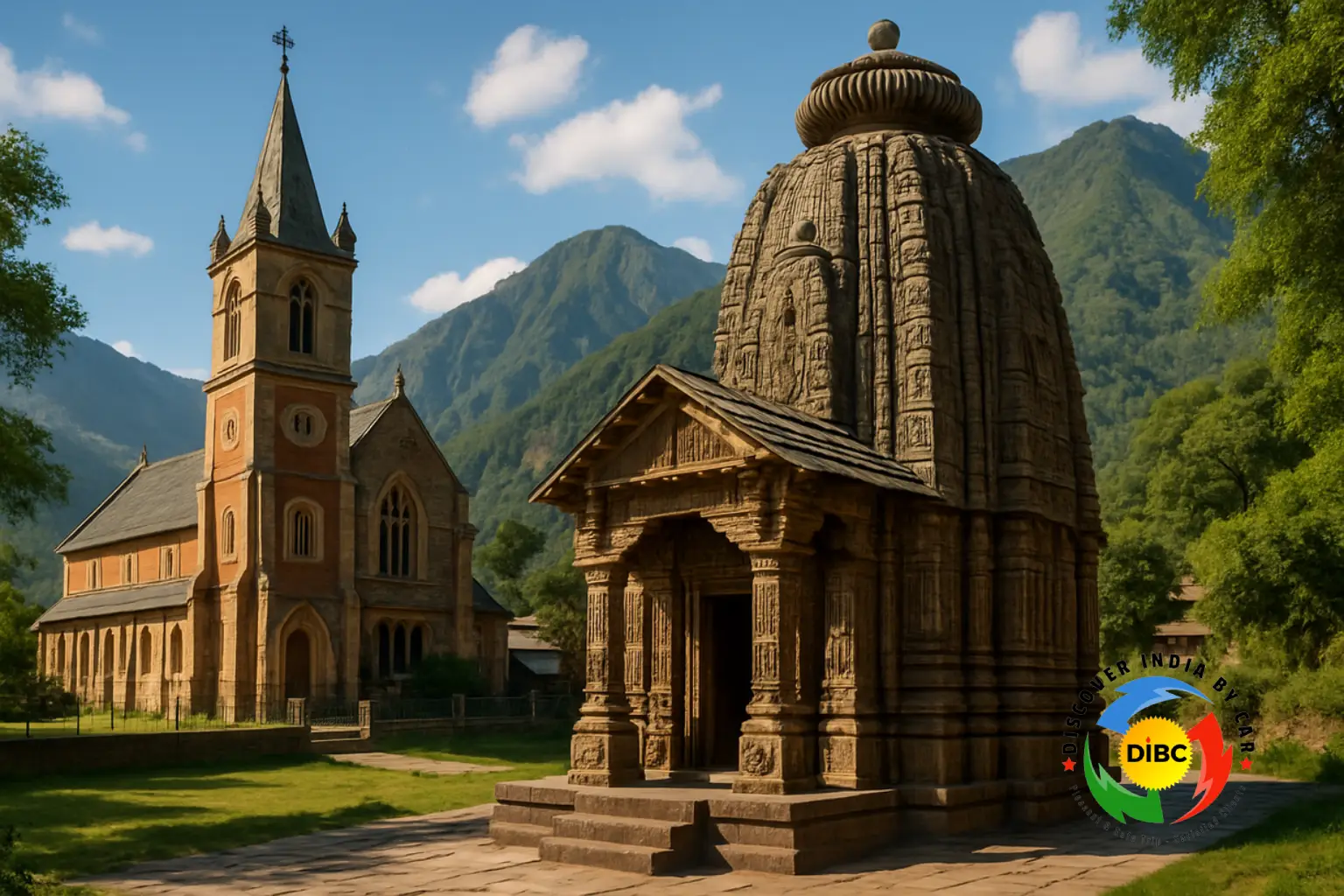
Nestled beside the swirling Ravi River, Chamba is one of the oldest towns in Himachal. Here, you’ll see the delicate stone-carving of ancient temples standing side-by-side with graceful colonial bungalows, all under the watch of snowcapped peaks. Time feels lazy here, and so do you.
📍 How to Reach: Start from Pathankot, about 120 km away, and you’ll roll straight to Chamba along smooth mountain roads. If you’re driving down from Delhi, plan for the long 580 km stretch to stop in Dalhousie for a night. The road from Dalhousie to Chamba through Khajjiar feels like a postcard, with forests and meadows at every turn.
🧳 Things to Do / Must-See Attractions: Stroll through the 8th-century Lakshmi Narayan Temple Complex, where every stone tells a story. Cross the large grassy Chaugan, where the town gathers for picnics and cricket matches. Pop into the Bhuri Singh Museum to admire the famous Chamba Rumal, a delicate embroidered handkerchief that looks like a tiny tapestry.
🚘 Why It’s Offbeat: While Dalhousie takes the limelight, Chamba stays quiet and proud, offering real old-world charm—temples, baolis, and stories of kings—far from souvenir stalls and selfie crowds.
🌐 Local Tip: The spicy local chutney, Chamba Chukh, packs heat in a bright red bottle. Grab one from a small shop to spice up your meals back home.
6. Bundi, Rajasthan – Lesser-Known Royal Town
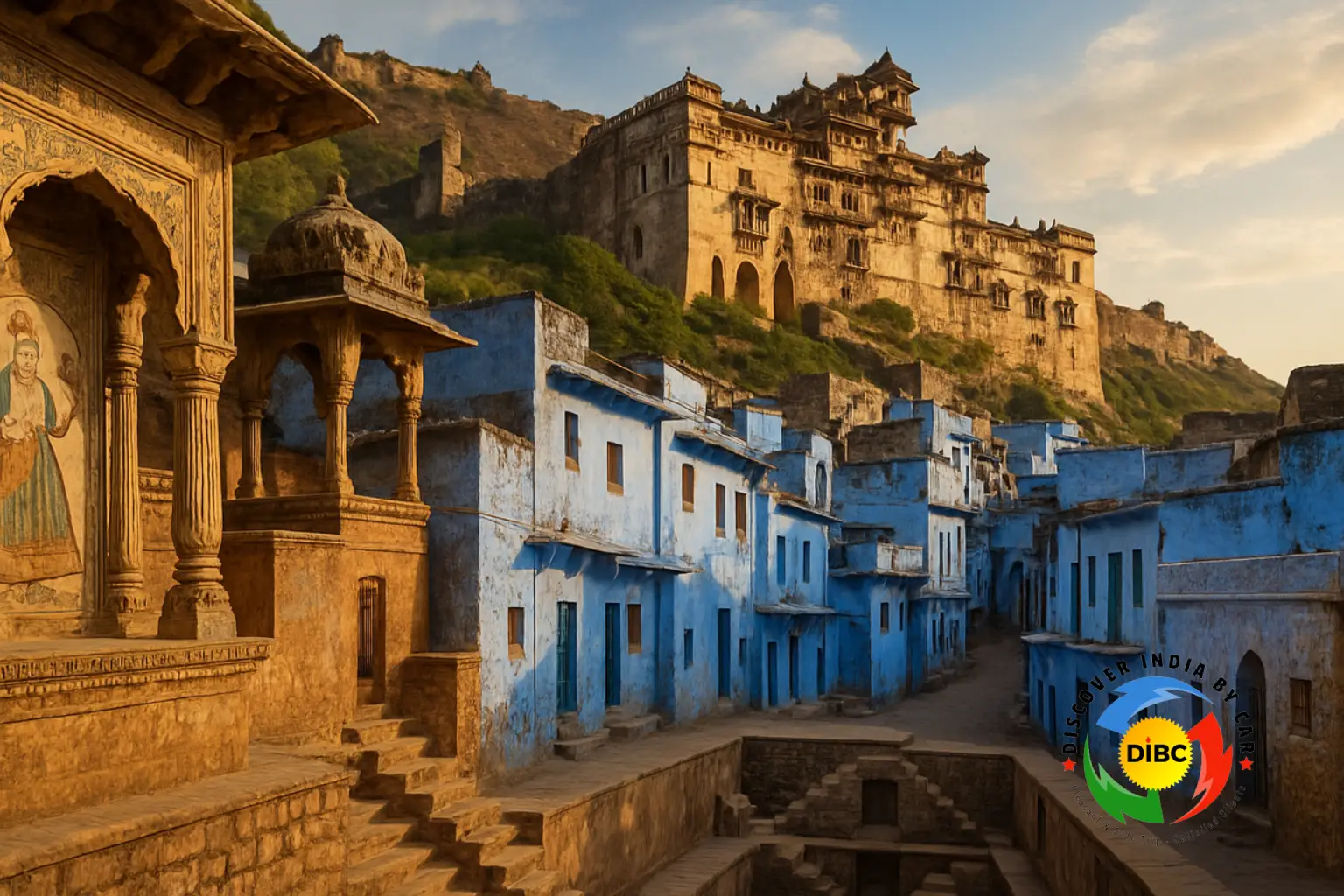
While Jaipur and Udaipur shine tourist signs, Bundi quietly waits in the Rajasthani hills, a town of sloping forts, shimmering stepwells, and dusty-blue houses. It feels like stepping into a story that keeps on living, with palaces, ponds, and a sky that turns orange at dusk.
📍 How to Get There: Bundi rolls out just 220 smooth kilometers from Jaipur and 470 from Delhi, with highways so fine they invite you to stretch your journey after the Golden Triangle.
🧳 What to Explore:
- Wander the winding, colorful alleys of the old town and lose track of time.
- Hike the stone path to Taragarh Fort and let sweeping valley views fill your camera.
- Stand still inside Garh Palace’s Chitrashala and let the vivid murals pull you back to another century.
- Descend the cool, echoing steps of Raniji ki Baori, each stone telling water’s long story.
🚘 Why It’s a Hidden Gem: Bundi wears its history unpolished, like a beloved old coin. It’s real, it’s kind to your wallet, and it carries the whisper of Maharajas without a press of people.
🌐 Local Hint: Ask your driver to introduce you to a miniature painter in his home. The Bundi brush strokes sing with color and tiny, tiny detail you won’t find in any gallery.
7. Narkanda, Himachal Pradesh – Apple Orchards & Snow Candy Views
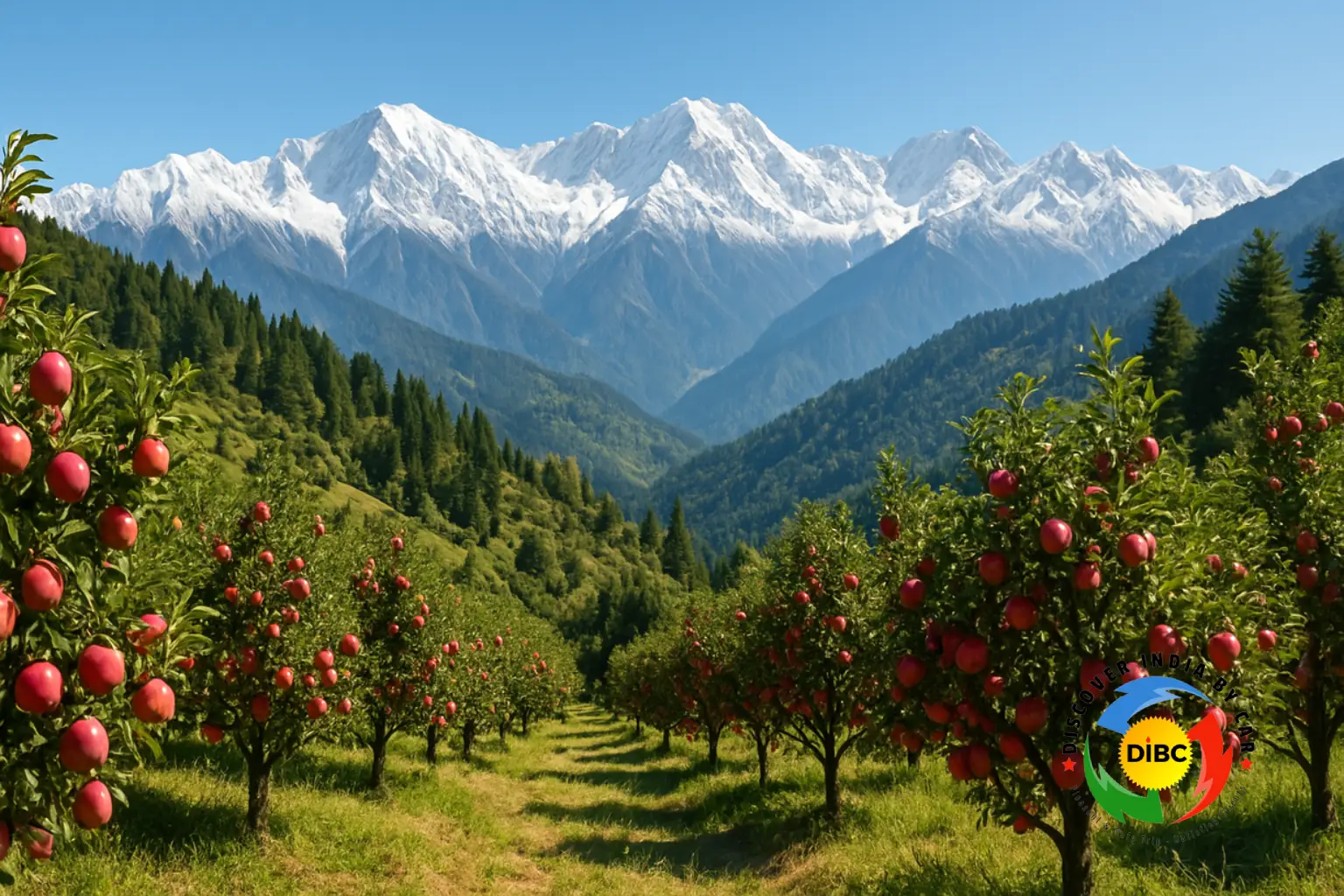
Drive 65 easy kilometers past Shimla on the Hindustan-Tibet Road and Narkanda rolls out like a green quilt of apple and cherry trees, crisscrossed by white Himalayan peaks. In winter, the same slopes invite you to slide on snow.
📍 Getting Here: Start from Delhi and follow the winding road to Shimla—about 340 km of mountain air and river views—then keep going for another 2 hours past Shimla, up through fragrant pine forests, until you reach Narkanda.
🧳 Don’t-Miss Experiences:
- Reach Hatu Peak for a great big hug of the Himalayas. One 360-degree view and you’ll feel like you’re on top of the world.
- Lose yourself in the apple orchards that stretch like green seas—come in spring for soft pink blossoms or in autumn for hands-full-of-juice harvest.
- Stop by Stokes Farm, the grandma of apple growing here, for a chat about how one little seed turned into all this fruit.
🚘 Why It’s a Secret: Everyone hops out at Shimla, but the real charm is the extra 2 hours. The air gets crisper, the crowds get smaller, and the mountains feel like they’re waving just to you.
🌐 Local Secret: Late September to early October is apple-season magic. Drive to any orchard and you can walk out with a whole crate of sun-shiny apples for the price of a small snack in Delhi.
8. Khajjiar, Himachal Pradesh—Meadows a Whisper Past Dalhousie
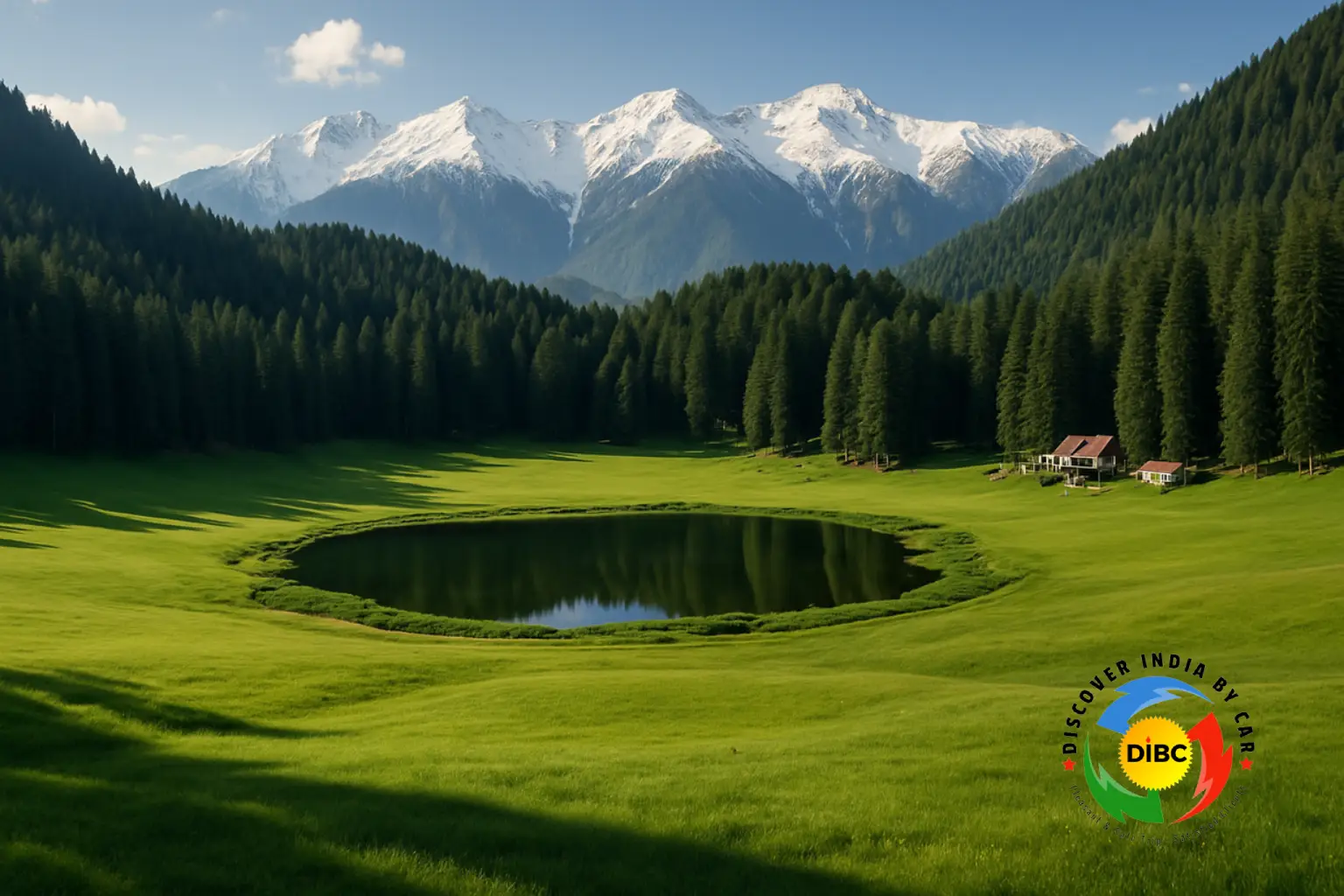
They call Khajjiar the “Mini Switzerland of India,” but it’s really a saucer-shaped green hug,, spooned between tall deodar trees and cradling a little lake. It’s a little busy, but the road to it lets you step into quieter nooks that feel like a dream.
📍 Getting There: Khajjiar is a quick drive of just 22 km from Dalhousie, and 100 km from Pathankot. The road from Dalhousie is narrow, winding, and lovely. Hire a driver who knows the hills well, and you’ll be just fine.
🧳 What to Do:
- Gallop a horse around the green, soft meadows.
- Pay respects at the ancient Khajji Nag Temple—built in the 12th century.
- Wander the shaded paths of Kalatop Wildlife Sanctuary and keep your eyes peeled for barking deer.
🚘 What Makes It Different: The big meadow fills with people while the sun is high. Once the sun is low, though, and the day-trippers leave, the place feels just for you. The meadows glow at sunrise and sunset. The drive up and back is almost as grand.
🌐 Local Advice: Skip the main meadow for the classic view—ask your driver to swing a little higher up the road toward Chamba. The lookout is quieter and the view hits like a postcard.
9. Orchha, Madhya Pradesh—Where Palaces and Cenotaphs Wait for You
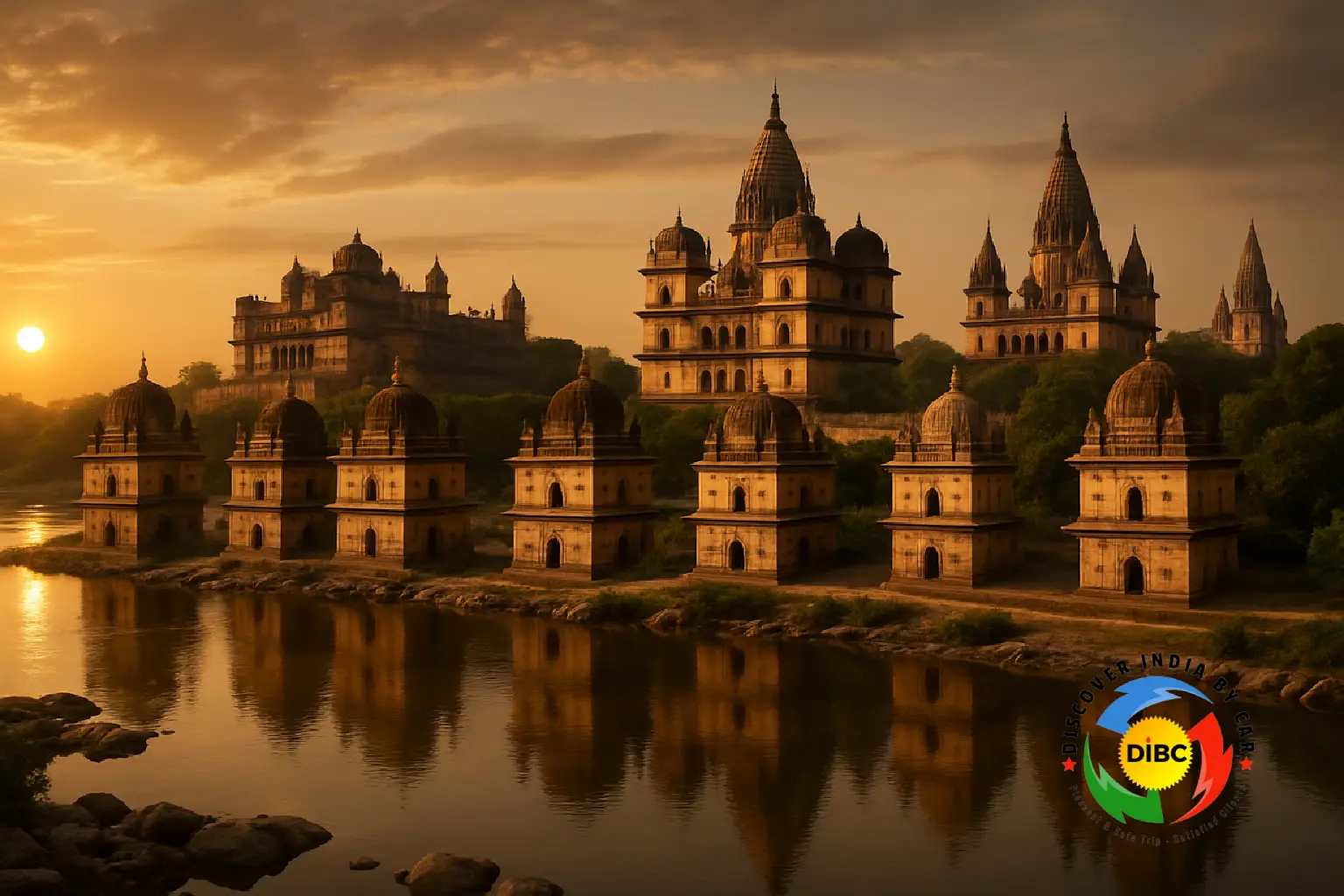
Orchha sits along the silver bend of the Betwa River. Its palaces and tall, lacy chhatris crowd the skyline like forgotten dreams. The city feels like a quiet chapter from a history book. If you’re cruising across North India and have a soft spot for old stories, pop in for a while.
📍 How to Get There: You can roll into Orchha in half an hour by car from Jhansi (the road is about 18 km long), and Jhansi is easy to reach from Delhi by train or by road. If you want to drive straight from Delhi, you’ll spend about 8 to 9 hours, covering 450 km on smooth stretches like the Yamuna Expressway and the Agra-Lucknow Expressway.
🧳 What to Do / Must-See Spots:
- Wander the Orchha Fort Complex and step inside Jahangir Mahal and Raja Mahal.
- Chase the golden hour by the Betwa River and capture the royal chhatris glowing in the sunset.
- Join the evening aarti at the Ram Raja Temple for a soul-soothing atmosphere.
🚘 Why it Feels Different: Though it’s in Central India, its Bundelkhand roots and the easy drive from North India make it a perfect side trip. If you’re doing the Golden Triangle, the place often stays off the radar, and you’ll have the ruins and lanes mostly to yourself.
🌐 Local Hint: Stay for the sound-and-light show at the fort after dark; it paints the Bundela kings’ story in colors and narrations that linger long after you leave.
10. Kausani, Uttarakhand – Sweeping Himalayan Panoramas
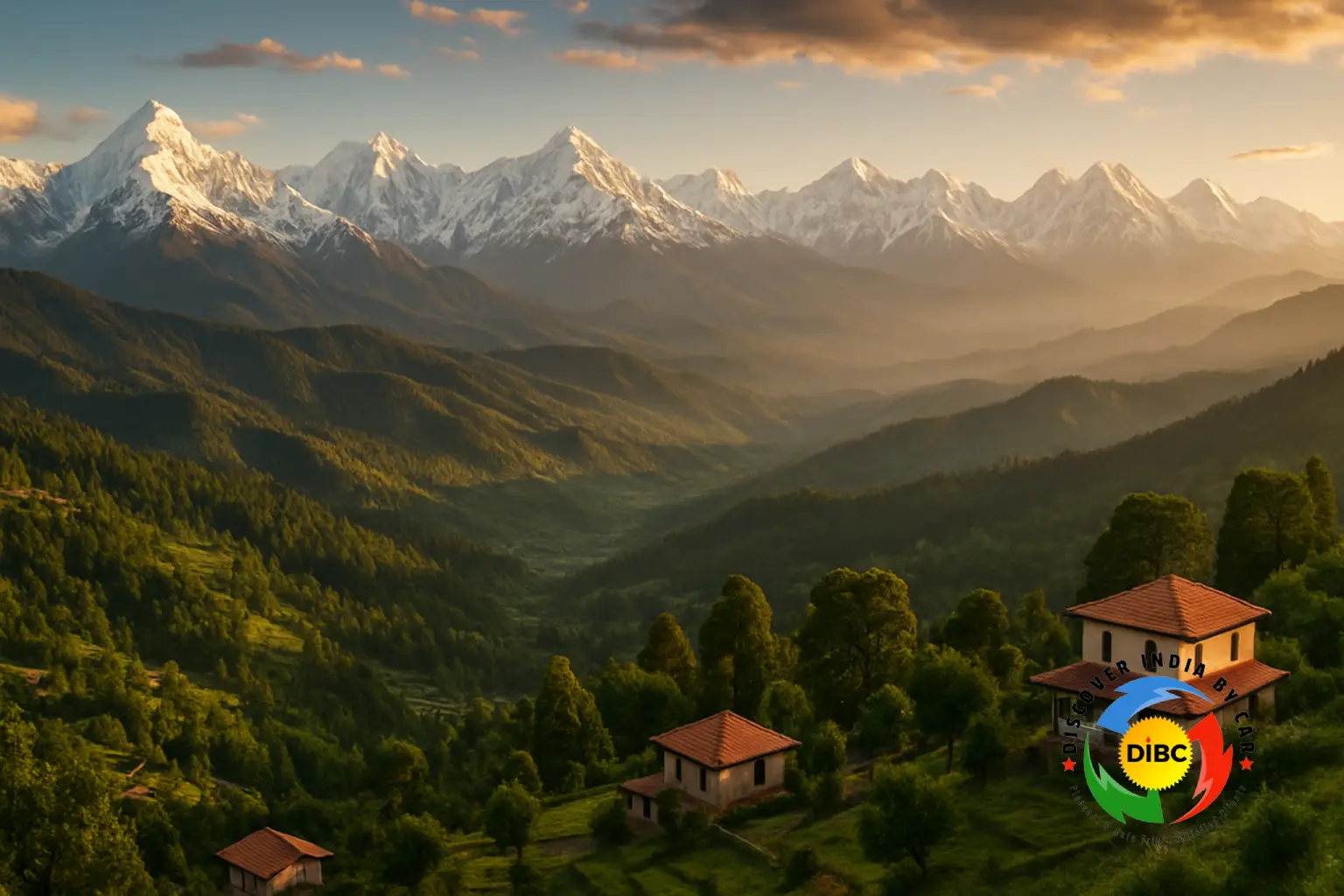
Mahatma Gandhi once called Kausani the “Switzerland of India,” and for good reason. The hill station unfurls a 300-km wide carpet of Himalayan heights, including Nanda Devi, Trishul, and Panchachuli, that seems to grow the moment you step outside.
📍 How to Get There: The drive from Delhi is about 410 km, and you can choose to go via Nainital or Almora. The stretch from Almora to Kausani is the most beautiful, snaking through tall pine trees that smell like walking through a green attic.
🧳 What to Do / Must-See Highlights:
- Rise before the sun and hike to Gandhi Ashram (Anasakti Ashram) to see the first light spill over the Himalayan peaks like gold paint.
- Drop by a local tea factory, smell the fresh leaves, and sip a cup of the region’s special blend that tastes like the mountains.
- Take a short trek to Rudradhari Falls and the caves nearby, where the water sings louder than the phone.
🚘 Why Kausani is a Hidden Jewel: Unlike the buzzing streets of Mussoorie or Nainital, Kausani whispers. Here, you wander paths, listen to the wind, and drink in one of the most breathtaking mountain views you can find.
🌐 Local Secret: To wake up to the mountains, book a room on the higher ridge of Kausani. Ask for the one with the balcony that faces the Himalayas. The first cup of tea on that balcony is worth every extra rupee you spend.
Top Road Trip Tricks for Offbeat North India
If you’re packing the car for North India’s quieter corners, keep these tips in your back pocket:
Best Time to Go:
Spring (March to April): The air is gentle, flowers are waking, and the rhododendrons in Uttarakhand and Himachal paint the hills bright red.
Summer (May to June): A cool escape from the heat. The quieter paths are still open, though the more famous spots can feel a bit like a crowded school playground.
Monsoon (July to August): India slips into emerald. Rain hammers for weeks, painting hills and fields. But mud rivers can sweep roads away, especially in the mountains. Check every singe road notice before leaving. Rajasthan and Madhya Pradesh stay open and dry.
Autumn (September to November): The sky changes from gray to bright blue. The sticky air departs, and trees wear the leftovers of monsoon like fresh paint. Festivals ring bells and light languages through the towns. This season may wear the crown of “the best time.”
Road Safety & Logistics:
Road Conditions: The road to hidden gems narrows to one lane, then tightens again. Check social media or local news the day before for slide or washout reports. Winter can hide the hills, so stay sharp then too.
Fuel Stations: Fill the tank in any big town. The next place to pump may be a long, long way.
Local Rules: In the mountains, cars climbing the hill get the road. At a blind curve, one honk warns the driver coming the other way. Don’t drive after dark; the animals don’t look both ways.
Why Hiring a Car with a Driver is a Smart Option:
These roads are puzzles. When you book a private car in North India with us, the driver holds the corner piece:
An Expert Navigator: They know the twists, the secret shortcuts, and the spots where the road has a mood swing.
A Mechanic on Hand: If a light flickers or a tire sighs, they can fix it before you even notice a change in music.
A Cultural Bridge: They translate menus, point to the best street-side snacks, and explain why the temple roof is painted sky blue.
Ultimate Peace of Mind: You watch the mountains without wondering where to turn next. The road becomes part of the view, not part of the worry.
FAQs – Exploring Offbeat North India by Road
Q1. Is it safe to drive to lesser-known spots in North India?
A. For sure. North India is usually safe for visitors. Safety gets an extra boost when you ride with a trusted travel company and a skilled driver who knows the roads, the local language, and the best pit stops. This extra care matters a lot for solo women travelers and families with kids.
Q2. When should I go to dodge the crowds?
A. Aim for the shoulder seasons. Try late September to early November after the rains, or February to early April before the heat kicks in. The weather feels just right, the tourist numbers stay low, and you often pay less for everything.
Q3. Are there decent places to stay in these hidden spots?
A. For sure. You won’t see big hotel brands, but you’ll find lovely boutique inns, eco-lodges, and friendly homestays that let you feel the local vibe. Our travel planners can hook you up with safe, cozy places to crash.
Q4. Can foreign visitors get to these hidden spots without hassle?
A. Absolutely! Visitors from abroad can reach these gems without fuss. Only a few border zones ask for a special pass, but none of the spots listed here do. Traveling in a private car with a driver smooths everything out. You won’t need to fuss with maps, language, or finding dependable places to eat and sleep.
Wrapping Up
Beyond the guidebooks and big tour buses, India has a quieter, secret side. It waits to be met on twisting mountain roads and in the hushed lanes of village temples. Leaving the busy paths isn’t only about different sights; it’s a chance to feel the pull of the land, the stories in the air, and the warmth of its people.
A road trip across North India is the door to this world. It asks you to slow down and let surprises in, letting every mile become a chapter in a story only you can write. From the hushed temples of the Himalayas to the long-lost palaces of Rajasthan, these hidden corners hold memories you’ll carry forever.