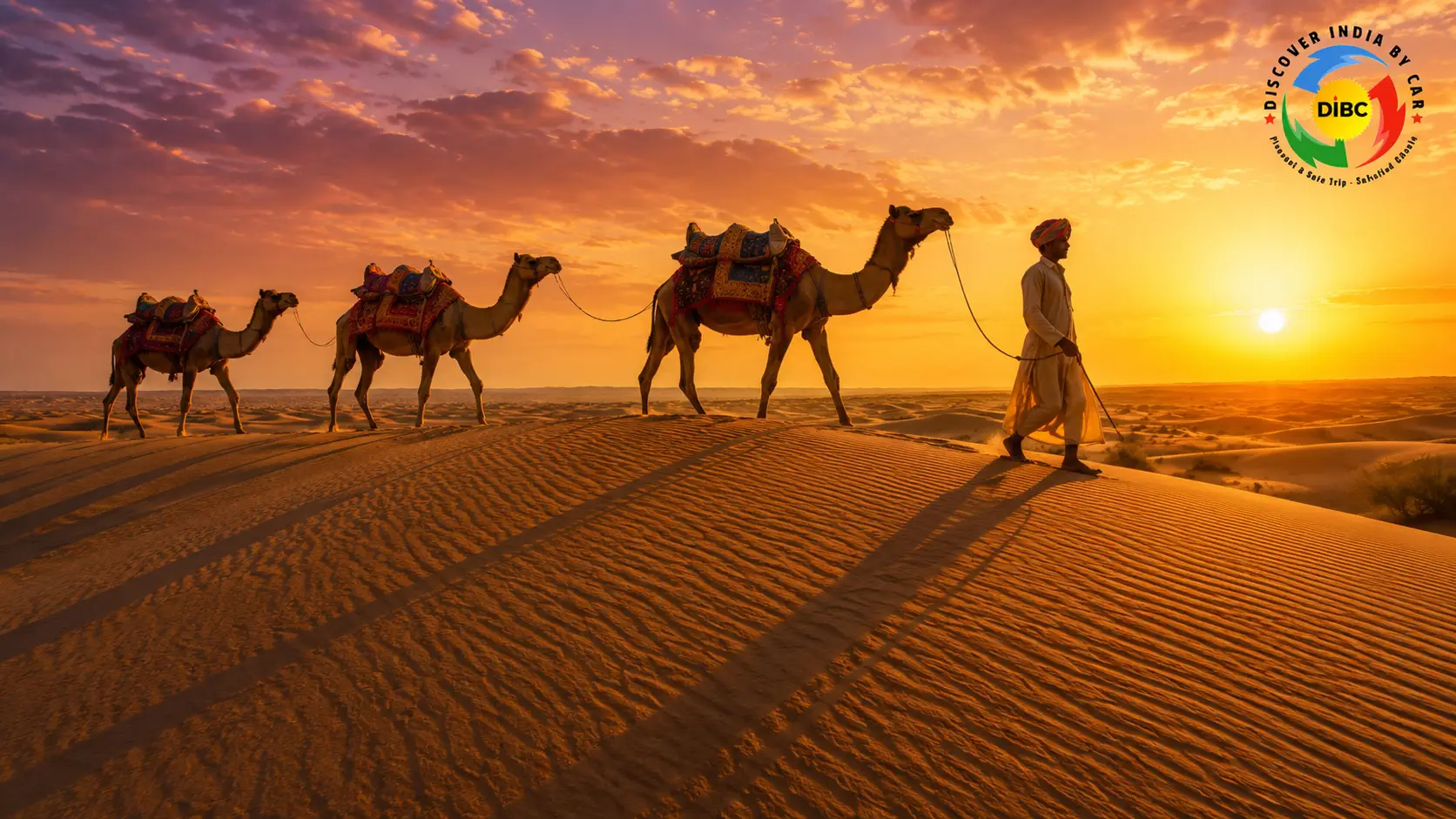
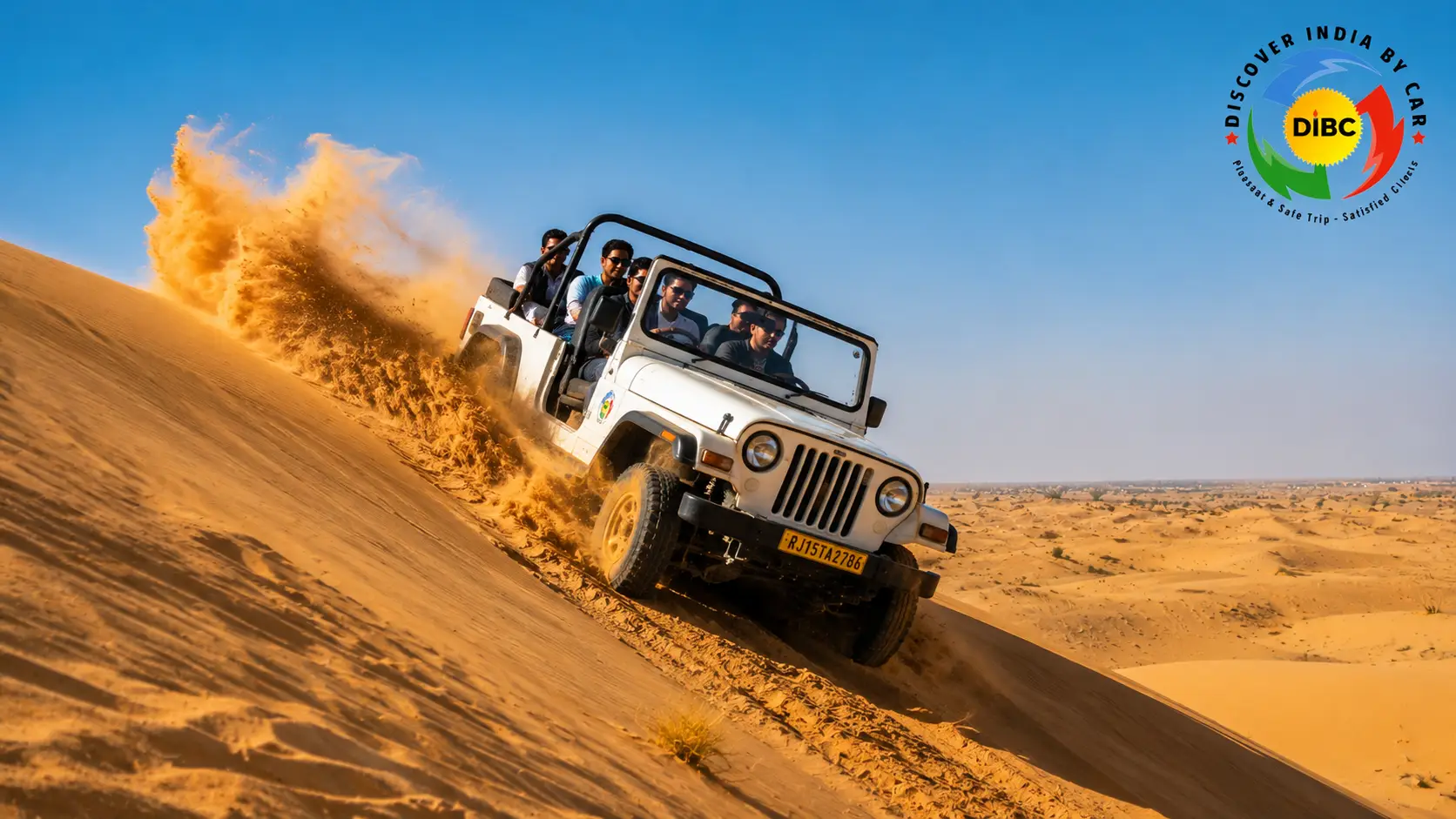
My usual advice: do a short camel ride for the sunset and the photos, and add a jeep run if you have the time and the budget and you’re travelling with people who want a bit of a rush. They complement each other nicely.
Best Time for a Desert Safari
The desert is not a year-round destination, full stop. If you take one thing from this article, take this.
October to March is the window. The days are warm and pleasant, the nights are cool to genuinely cold, and the whole experience — sitting by a fire, sleeping under stars, riding out at sunset — actually works. December and January nights get properly chilly, so pack accordingly, but the daytime weather is gorgeous and the skies are clear.
April to June is brutal. Daytime temperatures regularly cross 45°C, the sand is scorching, and most travellers find it genuinely unpleasant. Many camps close or run a skeleton operation. I steer guests away from a summer safari almost every time.
July to September is the monsoon-ish shoulder. The desert sees little rain, so it’s not washed out, and prices are lower — but it’s still hot and humid, and the experience is muted. Some camps reopen toward September as it cools.
One date worth circling if you love spectacle: the Jaisalmer Desert Festival (Maru Mahotsav), Rajasthan Tourism’s big annual cultural event held in the Hindu month of Magh, in February, three days before the full moon. The 2026 edition ran roughly 30 January to 1 February at Sam Sand Dunes, with camel races, the famous Mr Desert moustache contest, camel polo, folk music nights, and a grand finale under the moon on the dunes. It’s spectacular — and it’s also when everything books out fastest and prices peak. If you want to attend the festival, lock in your camp and transport two to three months ahead. If you want quiet, deliberately avoid that weekend.
Booking Tips & What to Pack
A few hard-won pointers before you commit.
Book a camp, not just a name. Photos online are aspirational at best. Read recent reviews, check what’s actually included (camel ride duration, AC, meals, transfers — these vary a lot), and confirm the location, because “Sam Sand Dunes” on a listing sometimes means a camp sitting well before the actual dunes.
Sort out your transfer in advance. This is the bit people underestimate. The camps are 40-plus kilometres out, often down rough desert tracks, and the roads near Khuri in particular aren’t great after dark. Wandering out there hoping to flag a ride is a bad plan. A pre-arranged private car removes the whole headache, and on a sedan you’re looking at roughly ₹1,700–2,000 each way, more for an SUV. (We’ll come back to this.)
Don’t over-pay at the gate. Standalone camel and jeep rides bought on the spot at Sam can come with aggressive touts and inflated quotes. Booking through your camp or a trusted operator usually means a fairer, fixed price and less hassle.
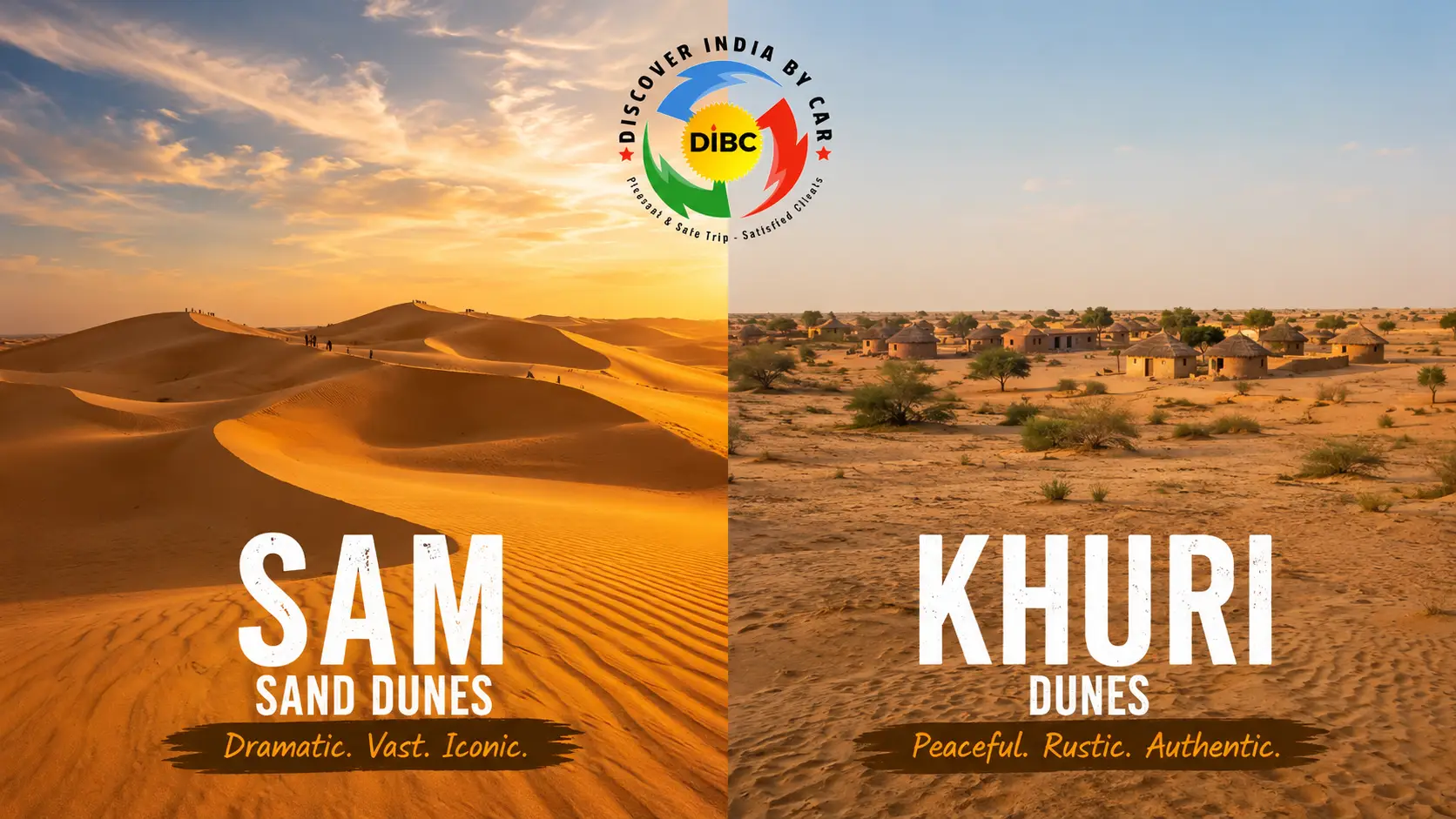
Manage expectations on the crowds at Sam. If peace matters to you, I’ve said it twice already — pick Khuri or a Sam camp set away from the main cluster.
As for packing, the desert punishes the unprepared. Bring:
- Warm layers — a jacket, even a hat and gloves for December–January nights. People genuinely underestimate how cold the Thar gets after dark.
- Light, breathable daywear plus a scarf or shawl to keep sand and sun off.
- Sunscreen, sunglasses, and a refillable water bottle — the air is bone dry even in winter.
- Closed shoes for the camel and jeep, plus easy slip-ons for the camp.
- A power bank, because charging points can be limited.
- Cash, since ATMs and card machines are scarce once you’re out at the dunes.