- Private car and driver in Delhi / India
- +91-8447445445
- info@discoverindiabycar.com sugar.ankit@yahoo.com
 +91-9818434712
- Follow us:



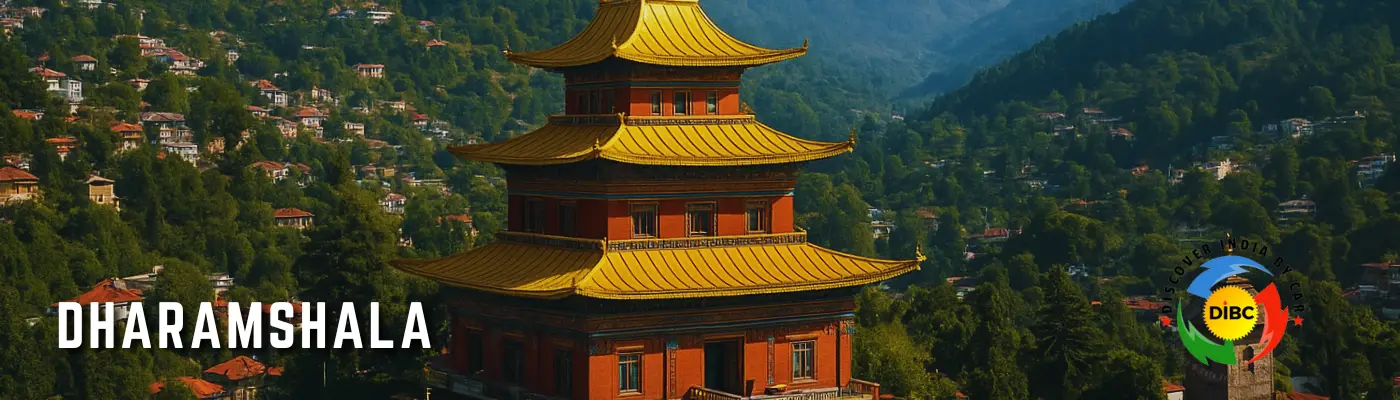
Dharamshala Sightseeing Guide – Temples, Treks & Hidden Spots
The Dharamshala Dream: More Than a Destination, It’s a Feeling
I’ll never forget my first drive up to Dharamshala. The plains gave way to rolling foothills, the air started to get that crisp, pine-scented edge, and my little hatchback seemed to hum with anticipation. Fifteen years and countless road trips later, that feeling has never faded. Dharamshala isn’t just a dot on the map; it’s a soul-stirring blend of Tibetan spirit and Himachali heart, all unfolding against the most dramatic mountain backdrop you can imagine: the mighty Dhauladhar range.
You’re here because you’re planning a trip. You’re probably wondering what the best places to visit in Dharamshala are. But I’ll tell you right now, this isn’t going to be just a checklist. This is a guide born from dusty boots, countless cups of butter tea, and conversations with monks who have more peace in their smile than most of us find in a lifetime.
So, get your road trip playlist ready. We’re about to dive deep into a complete Dharamshala sightseeing experience that will stay with you long after you’ve navigated the last hairpin bend back home.
First Things First: Where is Dharamshala and How Do You Tame the Drive?
Before you can be enchanted, you have to get there. So, where is Dharamshala? Tucked into the upper reaches of the gorgeous Kangra Valley in Dharamshala Himachal Pradesh, it’s a town of two tales. You have Lower Dharamshala, the bustling administrative and commercial center, and then, as you climb higher, you reach Upper Dharamshala, which the world knows and loves as McLeod Ganj—the heart of ‘Little Lhasa’.
My Advice for the Road:
The drive itself is part of the adventure. Coming from Delhi (around 475 km) is a solid 10-11 hour commitment, while the Chandigarh route is a more manageable 5-6 hours (about 240 km).
Trust me on this: start at the crack of dawn. There’s nothing like beating the city traffic and watching the sun come up over the Shivalik hills as you cruise on NH44. The final ascent is where the magic happens. The roads get twisty, the views get epic. Just make sure your car’s brakes are in top shape and your tires are ready for the mountains. This is one drive where the journey truly rivals the destination.
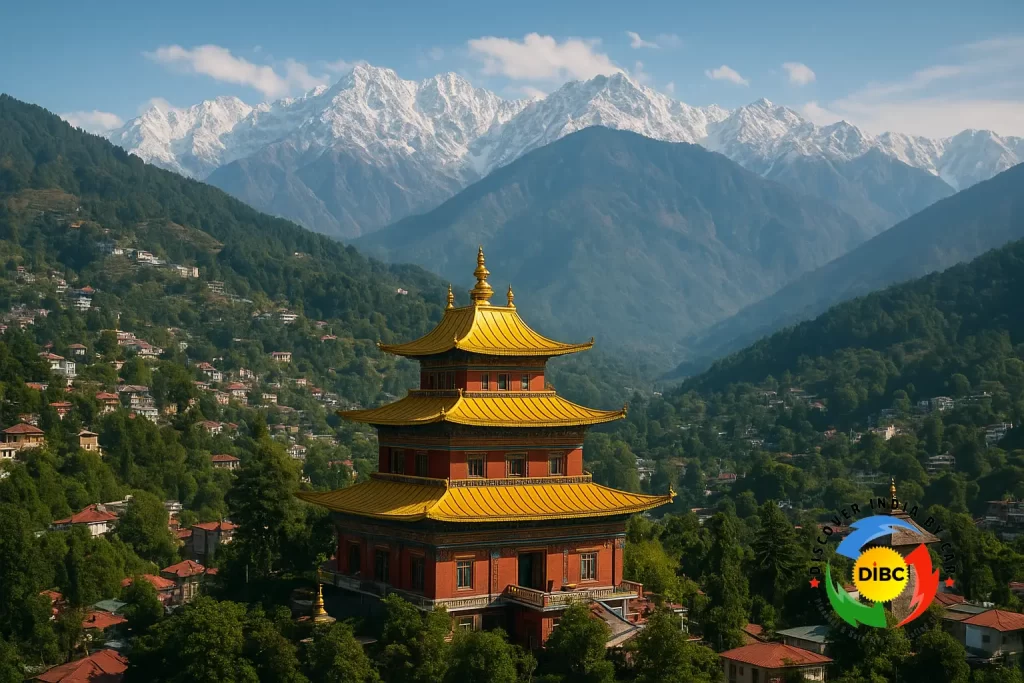
Best Places to Visit in Dharamshala
Alright, let’s get to the good stuff. I’ve curated this list not just based on popularity, but on the feeling and the experience each place offers. This is your blueprint for an unforgettable Dharamshala expedition.
The Spiritual Core: Places That Soothe the Soul
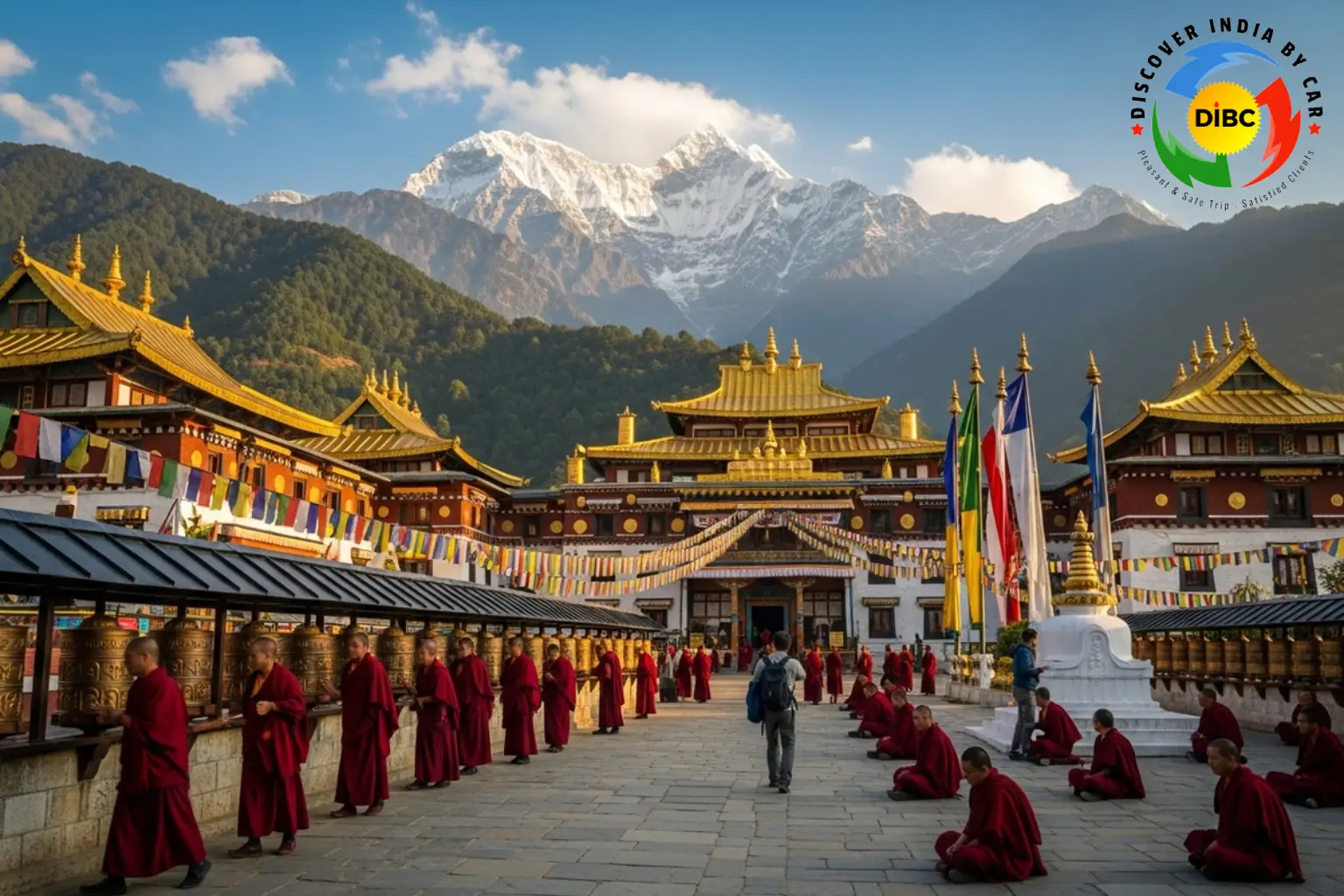
You can’t talk about Dharamshala without starting here. But forget the idea of a quiet, empty temple. This place is alive. The first time I walked in, I was struck by the sound—the low hum of monks chanting, the metallic whir of giant prayer wheels being spun by devotees, the rustle of maroon robes. This is the official residence of His Holiness the Dalai Lama. While you may not see him, you feel his presence in the profound peace that blankets the entire complex. Don’t miss the Tibet Museum inside; its stark photographs and stories are a powerful, heart-wrenching lesson in resilience.
Just being here feels like you’re part of something ancient and important. This is the personal monastery of the Dalai Lama, and it’s a working, breathing institution. The scale of the prayer hall is humbling, and if you can, just sit quietly in a corner during a prayer session. You don’t need to understand the words to feel the incredible, focused energy of the chanting.
A short, scenic drive away lies a place that feels like a hidden paradise. Norbulingka isn’t just a tourist spot; it’s a mission to keep Tibetan culture from vanishing. Walking through its lush, Japanese-inspired gardens, past gurgling streams, you’ll find workshops where you can watch artisans create magic. I spent an hour mesmerized, watching a painter use a single-hair brush to create a breathtaking Thangka painting. It’s a testament to patience and devotion. The food at the cafe here is fantastic, by the way.
Perched above McLeod Ganj in the quiet hamlet of Dharamkot, this place is for those who are genuinely seeking. Even if you don’t take a 10-day silent course, you can join a drop-in meditation session. The silence here isn’t empty; it’s full of chirping birds and the distant rustle of wind through the deodars, offering a profound sense of calm.
Famous for its mastery of tantric traditions, this monastery has a different vibe. Its grand, golden-roofed structure stands out against the green hills. The most unique thing here is their chordal chanting. I was lucky enough to witness it once—a deep, resonant, otherworldly sound that a group of monks create, which seems to vibrate through your very core.
For the Nature Lovers and Thrill Seekers
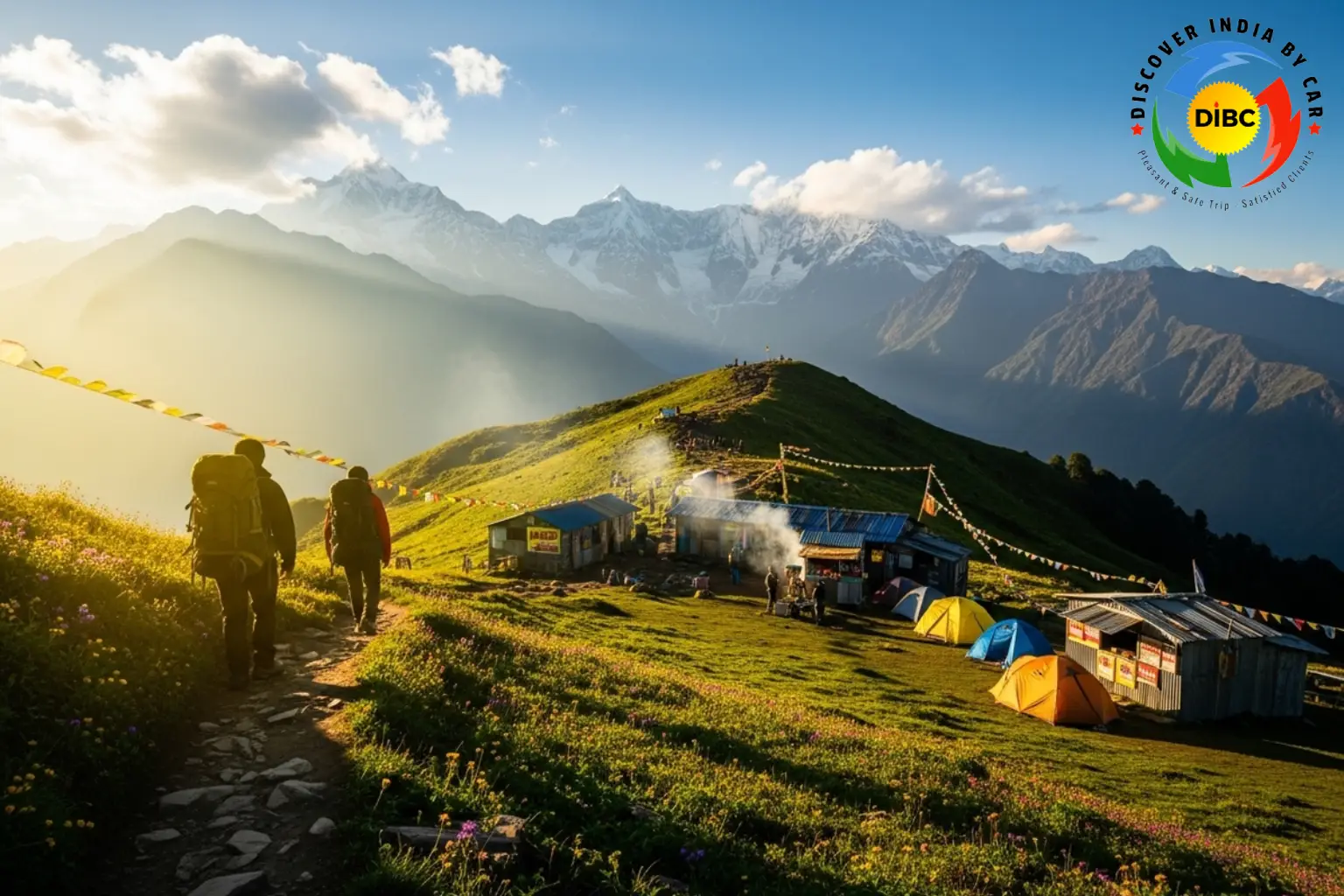
I’ve done this trek four times, and it never gets old. It’s the perfect introduction to Himalayan trekking. Yes, the 9 km trail will make your legs burn, but every switchback you conquer reveals a more stunning view than the last. The final push to the top, onto that vast green meadow that sits directly at the foot of the snow-covered Dhauladhar peaks, is a moment of pure, unadulterated triumph. The rite of passage? A steaming bowl of Maggi and a cup of chai from a shack at the top. It will be the best Maggi you’ve ever tasted, I promise.
This spot has a real mountain-village charm. After visiting the old stone temple dedicated to Lord Shiva, the walk up to the waterfall is a must. The path is lined with little cafes where you can grab a coffee or a plate of hot momos. The waterfall itself, especially after the monsoon, is a roaring spectacle. The spray is ice-cold and incredibly refreshing on a warm day.
No, it’s not the grand lake of Kashmir, but this little lake has its own quiet charm. Fringed by tall deodar trees, it’s a peaceful spot away from the crowds of McLeod Ganj. Pack a small picnic, find a spot, and just watch the light filter through the trees. It’s a perfect, lazy afternoon activity.
I’m not even a massive cricket fan, but my jaw dropped the first time I saw this stadium. It’s one of the most stunningly located sports venues in the world. The brightly colored stands, the impossibly green outfield, and the colossal, snow-capped mountains standing guard right behind it… the whole scene is just surreal. It’s a photographer’s dream.
A short, steep walk from McLeod Ganj will land you in Dharamkot. This place has a completely different, bohemian vibe. Think quaint cafes with names like “Trek and Dine,” yoga and meditation centres at every corner, and a global community of travelers. It’s where you go to slow down, read a book, and just be. It also serves as the base camp for the Triund trek.
Digging Deeper: History and Hidden Gems
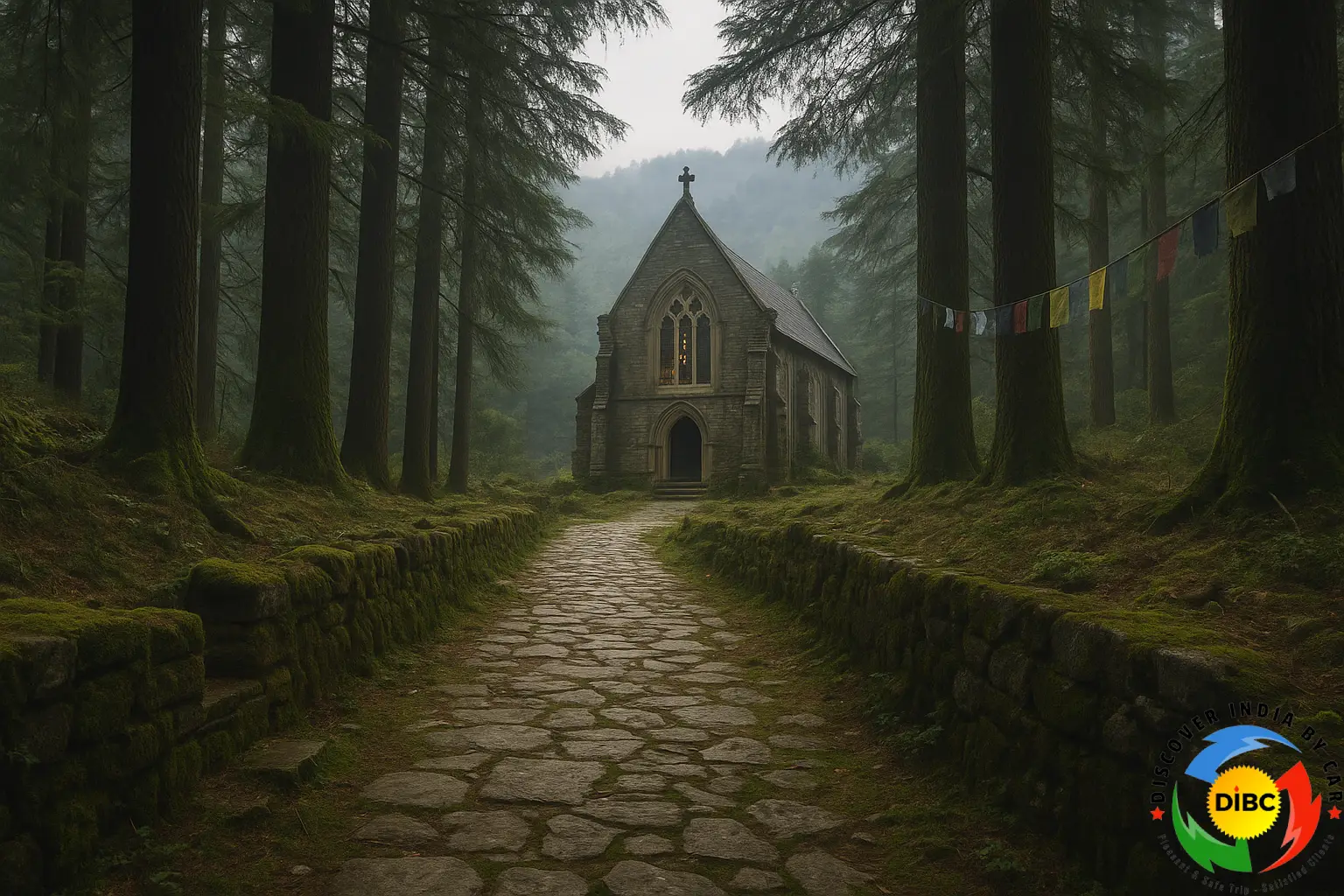
Walking towards this church feels like stepping into a gothic novel. It’s hidden in a thick deodar forest, and this stone edifice from 1852 has an air of beautiful melancholy. The exquisite Belgian stained-glass windows survived the catastrophic 1905 earthquake that flattened much of the region. It’s a quiet, hauntingly beautiful piece of history.
You’ll need to drive for about an hour to get here, but for any history enthusiast, it’s non-negotiable. This sprawling fort tells tales of countless kings and conquerors. As you walk through its ancient gates and ruined corridors, you can almost hear the echoes of its glorious and often violent past. The view from the ramparts, looking over the confluence of two rivers, is simply magnificent.
This is a true off-the-beaten-path treasure. An entire temple complex, carved out of a single, massive rock! It feels like something out of an Indiana Jones movie. Believed to date back to the 8th century, the intricate carvings are awe-inspiring. It gets far fewer visitors than other sites, so you can often explore this archaeological marvel in relative peace.
This is the vibrant, chaotic, wonderful heart of McLeod Ganj. Dive into the narrow lanes and you’ll find everything from singing bowls and prayer flags to beautifully crafted silver jewellery and warm Tibetan shawls. The best part? The street food. Follow your nose and grab a plate of piping hot momos or a comforting bowl of Thukpa.
Located at the very entrance to Dharamshala town, this isn’t just a memorial; it’s a beautifully maintained park. Set against a backdrop of pine trees, it pays a solemn tribute to the war heroes from Himachal. Walking past the stone walls etched with the names of brave soldiers is a humbling experience and a reminder of the sacrifices made for our peace.
Still Have Questions? Let’s Chat about Dharamshala
After years of talking about Dharamshala with fellow travelers, I’ve found these are the questions that always pop up. Here are my honest, no-fluff answers.
Q1: Why is Dharamshala famous?
A: Let’s be real, the headline reason Dharamshala is famous is His Holiness the Dalai Lama. His presence here since 1959, along with the Tibetan government-in-exile, turned this quiet British hill station into a global hub for Tibetan Buddhism and culture. But that’s just the hook. People fall in love with it for its staggering beauty, the warmth of its mixed community, and the incredible treks and adventures it offers.
Q2: Does it snow in Dharamshala?
A: Oh, you bet it does! But it’s a tale of two parts. Lower Dharamshala might just get a light dusting. The real show happens in Upper Dharamshala (McLeod Ganj, Dharamkot, Triund). From late December through February, these areas often get blanketed in thick snow, turning the landscape into something straight out of a fairy tale. Just be prepared for the cold!
Q3: Is Dharamshala a hill station?
A: It’s the quintessential hill station! It has all the classic ingredients: it’s nestled in the mountains, it offers a cool escape from the blistering plains, the views are to die for, and the life moves at a slower, more deliberate pace. It’s a perfect place to recharge your batteries.
Q4: Which river flows in Dharamshala?
A: You won’t find a big river like the Ganges flowing right through the middle of town. Instead, Dharamshala is crisscrossed by dozens of small, gushing streams and rivulets, like the Manjhi and Banganga, which are all tributaries of the larger Beas River. These mountain streams are what create beautiful features like the Bhagsu waterfall.
Q5: What is the best time to go to Dharamsala?
A: This totally depends on the kind of person you are:
- The Sun-Seeker & Trekker (March-June): The weather is absolutely perfect. The skies are clear, the air is pleasant, and it’s the ideal time for trekking and all kinds of Dharamshala sightseeing. This is peak season, so expect crowds.
- The Romantic & Solitude-Lover (July-September): The monsoons! The mountains are washed clean, clouds hang low in the valleys, and everything is a brilliant, lush green. It’s incredibly romantic, but treks can be slippery and risky.
- The Photographer (October-November): For me, this is the sweet spot. The rains are gone, leaving behind crisp air and the sharpest, clearest views of the Dhauladhar range.
- The Snow-Chaser (December-February): If you dream of a white wonderland, this is your time. Pack your heaviest woolens and get ready for a magical, freezing, and utterly beautiful experience.
A Parting Thought on the Road Home
As you start your drive back down the mountains, with a car full of souvenirs and a phone full of pictures, you’ll realize that the most important thing you’re taking back from Dharamshala isn’t something you can pack. It’s the echo of a prayer bell, the image of a snow-capped peak catching the morning sun, and a sense of calm that settles deep within.
The real joy of discovering Dharamshala Himachal is in its simple moments. So, take that unknown trail, have a conversation with a local shopkeeper, or just sit with a cup of tea and watch the world go by. That’s where you’ll find the true spirit of this incredible mountain town. Safe travels.


