- Private car and driver in Delhi / India
- +91-8447445445
- info@discoverindiabycar.com sugar.ankit@yahoo.com
 +91-9818434712
- Follow us:



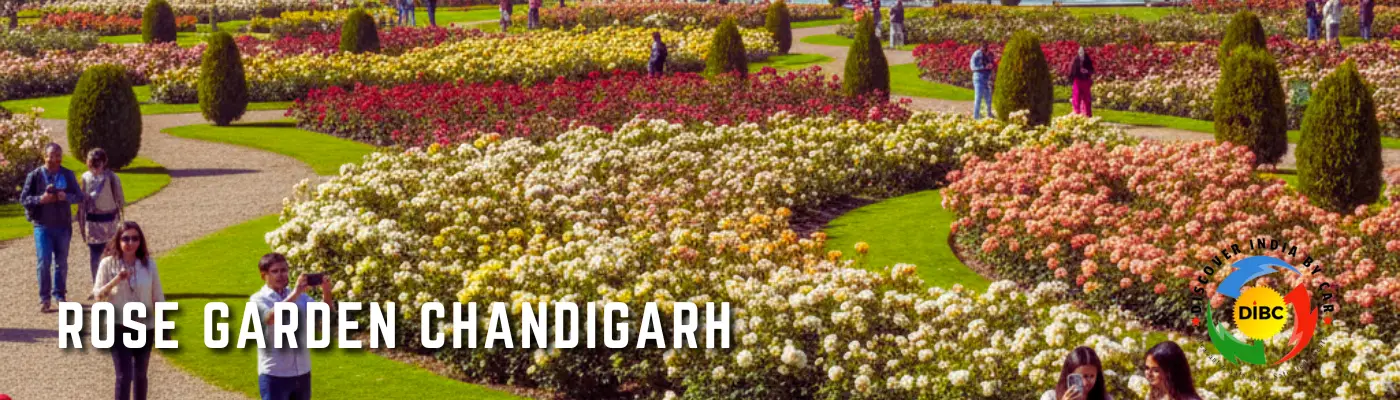
Rose Garden Chandigarh- The biggest Rose Garden in all of Asia
Deep in Sector 16, the Rose Garden Chandigarh is bigger than any city park. It is a part of the country’s history because of its horticulture. Covering 30 acres and having over 1,600 species of roses, it is the biggest rose garden in all of Asia.
The garden is one of the biggest in the world and during winter turns into a marvel of color and exotica. It brings in visitors from all over India and abroad. People traveling in the Northern regions of India such as Shimla, Dharamshala, Amritsar, and Manali, always stop by the garden because it is a pleasure to the eyes.
Chandigarh has many gardens but the Rose Garden is the best. It has a system of rectangular paths and is inspired by the city design of Le Corbusier. It has explanation placards of the items in the garden, has many festivals, and it is very peaceful.
This garden is unlike any ordinary green space as it serves as a garden with public leisure facilities and serves as a living archive of wide-ranging rose biodiversity all at once. Its design and cross-disciplinary curation and cultural programs have made it a space for students and tourists alike as well as botanists and photographers. The garden represents a combination of nature and city life with a seamless transition whether you visit the garden during the Rose Festival Chandigarh or during the midday of the week.
Zakir Hussain Rose Garden Introduction
Zakir Hussain Rose Garden came into being in 1967 with the leadership of Chandigarh Chief Commissioner of that time and ponde of horticulture Dr. M. S. Randhawa. The garden is named in memory of the 3rd President of India Dr. Zakir Hussain as well as a dedicated scholar for his works in education and nation-building. Dr. Randhawa, though, designed the garden for recreational purposes intended to show the determination of Chandigarh to green urbanism.
The garden is created with symmetry, with intersecting pathways made into rose beds, which is part of Le Corbusier’s master plan for the city. It is decorated with pergolas, climbing decorative fountains, intersecting pathways, shade, seating areas, rose beds, and labeled cultivar displays. All the design elements focus on thorough beauty and practicality. This is one of the most modern in the city.
The Chandigarh has transformed into a model for city gardens in India. This is the result of scientifically preserved structures, open access to the people, conservation of biodiversity, and proactive efforts of the Ministry of Housing and Urban Affairs, the National Horticulture Board, and some volunteer groups. It is also a center for training for students of horticulture and municipal gardeners from the rest of Northern India.
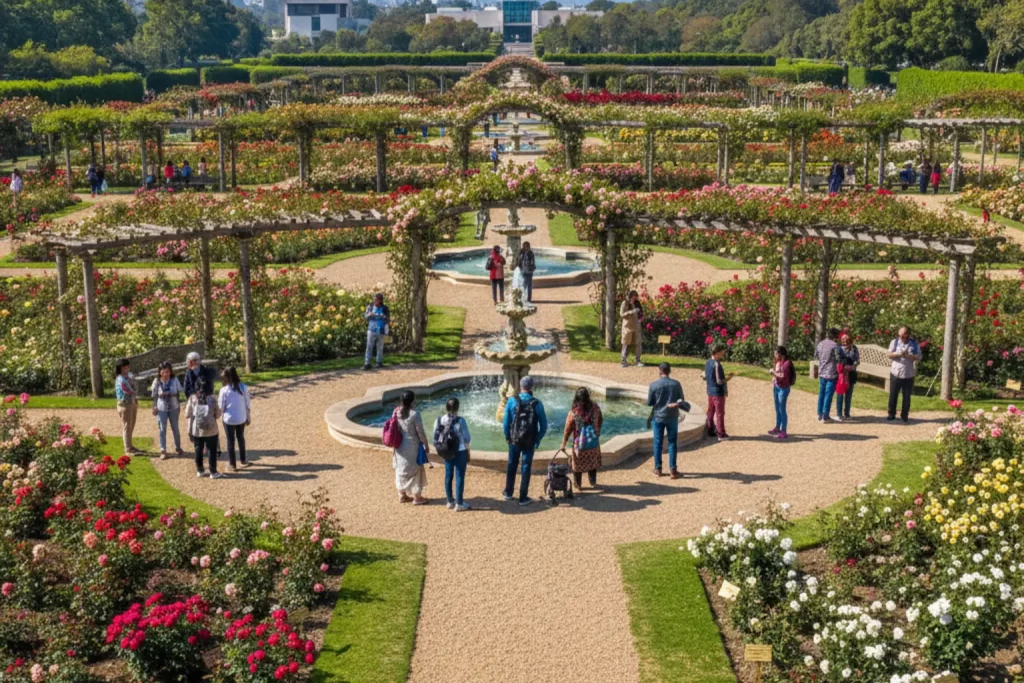
What to See in Rose Garden?
The rose garden is packed with a detailed global history, the rise of plants, and is unique with every section. All of the sections make the garden ideal for both leisurely walks or for enthusiastic gardeners and scholars.
1,600+ Rose Species
Rose Garden Chandigarh has an impressive collection of over 1,600 rose cultivars that come from India, Europe, the US, Japan, and Asia’s hybridization programs. To help with organization and educational value, each rose is grouped into designated themed zones.
Hybrid Tea Roses:
‘Mister Lincoln’ and ‘Peace’ are popular varieties of roses due to their signature elegant and strong aroma.
Floribunda Roses:
‘Angel Face’ and ‘Iceberg’ are compact plants that are highly recognized for their ability to repeatedly bloom and their strong resistance.
Climbing Roses:
‘New Dawn’ and ‘Don Juan’ are often trained over arches and woodentrellises to create sky tunnels and vertical displays.
Miniature Roses:
Varieties like ‘Sweet Chariot’ and ‘Cinderella’ are adored for their small bushes and container displays.
Heritage and Rare Varieties:
Along with the fragrant rose ‘Marmalade Skies’, the first and only rose to be bathed in the eerie reddish orange glow of the sunset known as ‘Black Magic’, ‘Peace’, and who’s medal winner of ‘Chandigarh Glory’, developed for the North Indian climate and bred in India, originally released in 1945 as a symbol of hope in the post-war years, are historically significant roses.
In the rose garden, each rose bush contains a small description that mentions the rose’s common name, its type such as a Chinensis or a Gallica, its country of origin, its flowering and blooming period, and the strength of its perfume. This system enhances informal education and allows the guests to understand the transformation of the rose from Persia’s ancient culture to the new hybrid laboratories.
In order to maintain the flowering to the full glory in the winter period, the garden’s horticulturists integrate a specific cycle of investment and pruning in June and November, enrichment with organic compost, the ‘softer’ integrated pest management, and drip irrigation to save water. This allows the garden to maintain the health of the plants for a longer period.
Annual Rose Festival Chandigarh
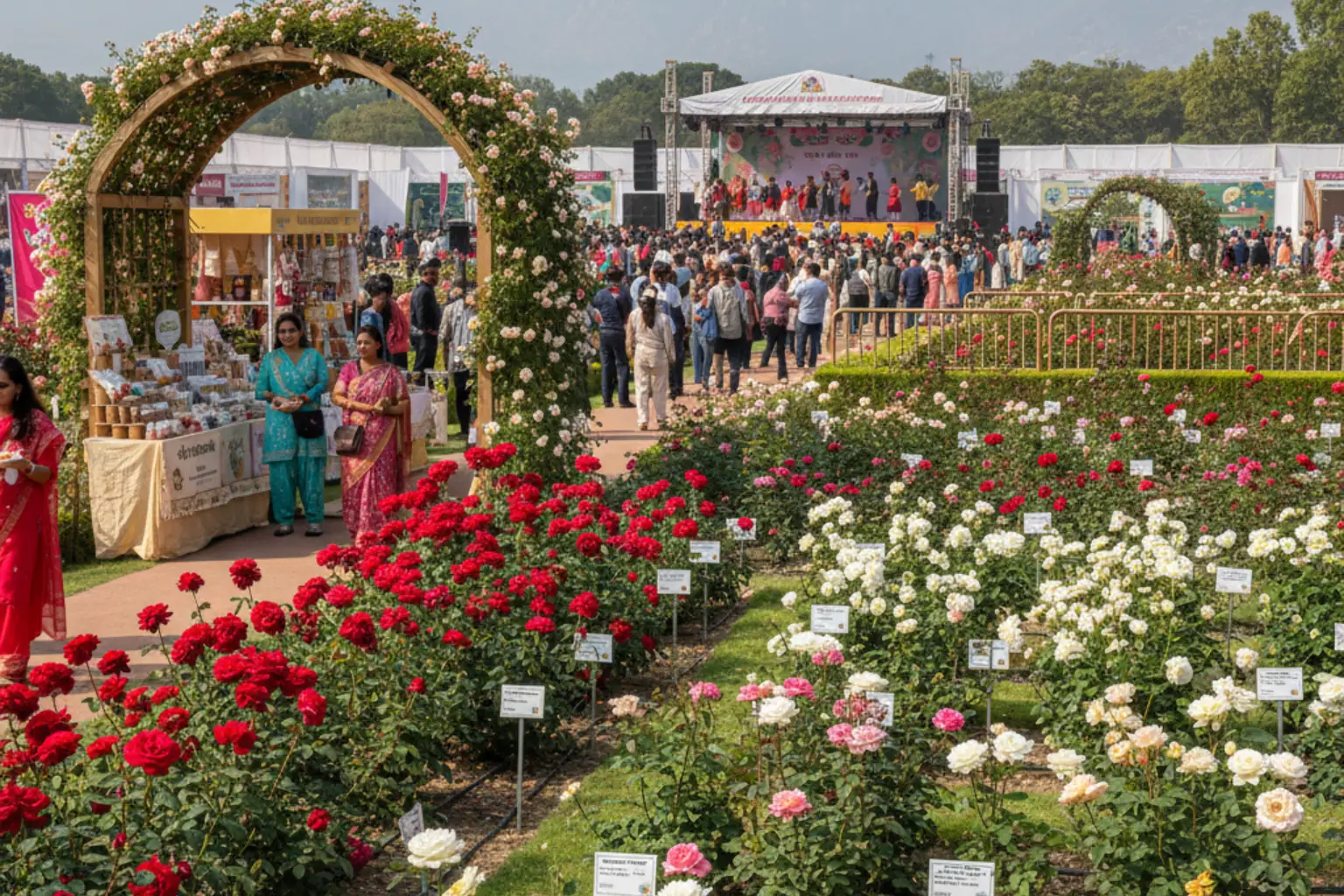
This is the flagship celebration of the garden, where amidst a combination of Punjabi and Haryanvi culture and horticulture, the main highlight of the garden is placed, each year attracting 50,000 guests. Over 50,000 people partake in this festival each February, and aims to organize school kids, families, and photography enthusiasts from nearby states and horticulture societies. Along with cultural societies from Chandigarh and the administration, the Garned Festival also lasts 3 days and aims to celebrate the culture with the guests.
A few things to look forward to during the four-day festival include the following:
The rose exhibitions and competitions which are judged by leading specialists from the Indian Council of Agricultural Research, Indian Rose Society and Punjab Agricultural University include the following categories, Best Hybrid Tea, Most Fragrant Bloom, Best Miniature Rose, Best Climber and Most Unique Color. Winning entries are shown on the center podium with a certificate and a small cash prize.
The Cultural Performances start daily from 11 AM to 7 PM with the open-air stage shows featuring qawwali singers, classical Kathak dancers, and even folk theatre. They are also accompanied by the energetic Bhangra and Gidda dancers.
There are food stalls with the well-known chole bhature, stuffed kulchas, and the refreshing lassi. The self-help groups which are led by women also donate regional food favorites like rose-infused desserts, gulkand ice cream, rose kulfi, and even rose syrup sharbat to the festival.
The rose artisan bazaar comes first which supports and displays many rural handmade products from artisans that the government livihood schemes currently funds. These products include organic gulkand, rose water, herbal soaps, perfumes, jams, herbal teas, and natural skincare items.
Organized from the dekko garden are the children’s activities which include crown workshops with the petals, storytelling of the flowers and the nature, and so much more all include eco-awareness that pour into the painting competitions with My Favorite Rose or “Save Our Gardens.”
Short privileged sessions on rose horticulture are offered during the festival where you can learn more on organic gardening and and refine your skills on pruning from the head gardeners of the Chandigarh Municipal Corporation.The Rose Festival Chandigarh occurs during the peak blooming season of the garden when more than 95% of the cultivars are in bloom, which gives the visitors a vivid and immersive experience of the garden. During the festival, the crowd control, security, and sanitation are improved and more entry gates and mobile medical booths are added.
The Zakir Hussain Rose Garden Chandigarh aims to preserve the culture of public access and serves its visitors low entry prices. This encourages more people to visit the garden.
The Zakir Hussain Rose Garden Chandigarh opens 6 AM and shuts down at 9 PM. This schedule does not change on any of the public holidays, and the garden does not close down on maintenance which is done on very severe conditions such as cyclones and flooding.
The best windows to visit the garden is,
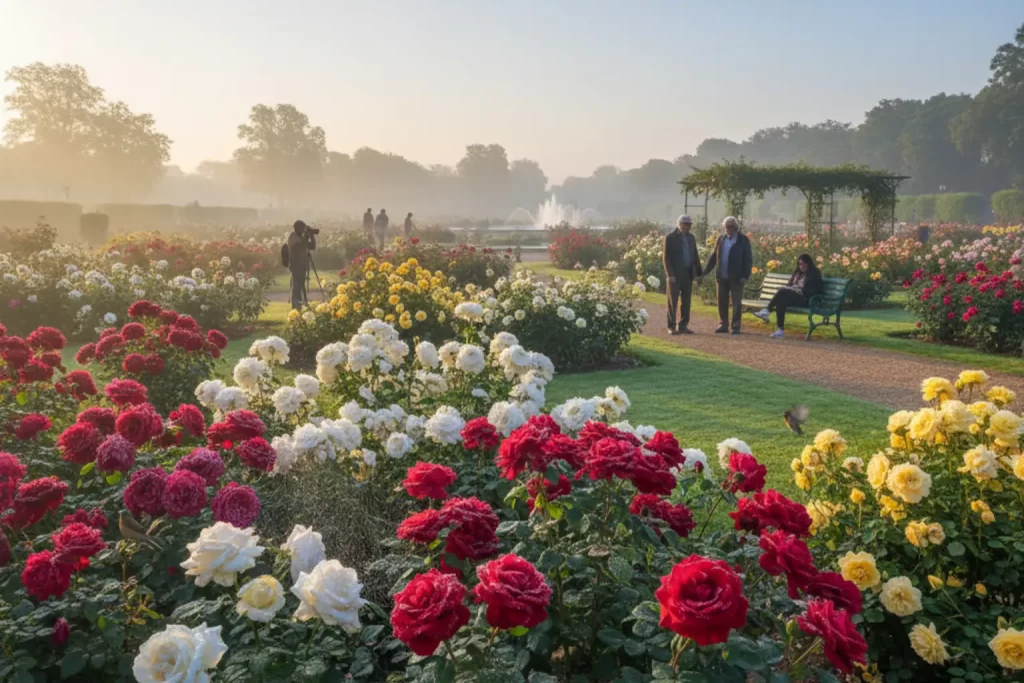
The early morning: Captured on the photo is the sun which shines lightly together with the pearls of dew which are at times, resting on the petals. The birds are a delight to listen to, as they send their music at their leisure.
The late evening: The photo captures the best lighting where the muted sun is setting and gives the photo the best setting.
Avoid the peak of the midday sun: The photo is taken in a summer where the sun shines at its best, it’s best to avoid the garden at all costs at these times.
Ticket Prices for the Rose Garden Chandigarh:
- Adults: ₹20.
- Children less than 12 years: ₹10.
- Ticket for Foreign Tourists: ₹100.
- Lady exhibiting a proof of age 60 plus years, disabled individuals with a government-certificate, and school groups on the submission of a formal request to the Municipal Corporation are allowed free of charge.
Facilities are:
- Men and women clean separated toilets
- Drinking water
- Benches rest area with cool shades every 50 meters on the main way
- Free parking on the front of the sector 16 gate (100 plus car and 50 two wheelers)
- Souvenier magazines, postcards, packets of rose seeds and a guide book.
- During the Rose Festival Chandigarh the following temporary arrangements are:
- More food courts and 20-30 washing tubs
- Paramedic emergency staff
- Counters, information staff, lost-and-found
- Extra staff for nice planning and borders
- Special spots with backdrop for photography
For the rest, there is no special charge over the base rose garden Chandigarh ticket price, and no premium passes are available.
Hours Of Operation:
The garden is open to the public all year round, although the flower displays and other amenities are improved depending on the changes in the season.
The month of January until mid-March is the prime season of the year.
During the flowering cycle, the temperature stays between 8° and 25° Celsius. The rose bushes are at their peak bloom and the humidity is low. The skies are clear and the handful of roses blossom. February is on of the best months because of the annual rose festival in Chandigarh. The festival has delicious food, gorgeous blooms and good music.
The months of October and November.
Cool nights and less rain trigger the second bloom. Although the second bloom is modest, the weather is still pleasant at 18° and 30° Celsius. The number of visitors in the garden is less, making it a perfect spot for nature walks, drawing, or studying.
Avoid the season of Summer from April to June.
The temperature is hotter than 42° Celsius. During the summer, the petals of the roses begin to wilt. Furthermore, there is less shade and more the pathways are hotter than leaving the buds of the roses to dry in the oven.
The monsoon season from July to September is the most avoided.
It is also the most dangerous to petals. While it rains is the most slippery and muddy. Rainy humid weather increases the chance for the petals to gain a disease, such as black spot, powdery mildew and rust.
The finest visual and sensory experience is offered by a weekday morning, in early February, which strikes the optimal balance between bloom intensity, lighting, temperature, crowd levels and ambient temperature.
Why the Rose Garden of Chandigarh Stands Out Among Chandigarh Gardens
When it comes to Chandigarh’s open spaces, the Rock Garden with its recycled sculptures, the Japanese Garden with its Zen-inspired ponds, Bougainvillea Garden with its cascading vibrant Bougainvilleas, and Terraced Garden with its cascading lawns, the Rose Garden Chandigarh has a special distinction among these gardens. It is not just a decorative garden, but is a center for horticultural research, public education, and awareness on the environment and culture.
The largest rose garden in Asia also has documents, sanctioned by the Ministry of Housing and Urban Affairs, the National Horticulture Board, and the Indian Council of Agricultural Research (ICAR), to support this claim. The Garden takes part in national trials aimed at developing rose varieties to suit the climate and conditions of North India. In addition, it provides rose saplings to municipal greening initiatives in Punjab, Haryana, Himachal Pradesh, and Delhi.
For school children, citizen gardeners, and even urban residents, the garden offers regular workshops on rose cultivation, organic composting, water conservation, and rose cultivation. It is also a destination for university Botany students for their field trips and for hosting photography exhibitions.
Situated 2 km from Sukhna Lake, 3 km from the Capitol Complex, and 5 km from the Inter-State Bus Terminal (ISBT), the Zakir Hussain Rose Garden can be easily added to a full-day itinerary for Chandigarh. For road travelers, such as on the Delhi-Chandigarh-Shimla route via NH44, the Amritsar-Chandigarh corridor via NH3, or the Chandigarh-Manali highway, it makes for an easy and pleasant stop with free parking, clean and accessible restroom facilities, and paved pathways suitable for family strolls. Many tour operators include these sites as standard stops on a North India tour.
Frequently Asked Questions (FAQs)
Q1. What is the ticket price of Rose Garden Chandigarh?
A. The fee for entry into the Rose Garden Chandigarh is ₹20 for adults, ₹10 for children under 12, and ₹100 for foreign visitors. Other than the above-mentioned categories, entry is free for seniors and disabled persons with appropriate proof.
Q2. What is the best time to visit Rose Garden, Chandigarh?
A. The ideal time to visit the Rose Garden in Chandigarh is between late January and mid-March, with February being the preferable month for the Rose Festival Chandigarh. Early morning hours are the best in terms of temperature and light for photography.
Q3. What makes Chandigarh’s Rose Garden so popular?
A. Chandigarh Rose Garden is renowned for being the largest rose garden in Asia, covering 30 acres and housing over 1,600 rose species. The garden’s design and scientific curation, along with the Chandigarh Rose Festival, gives the garden significant national and international recognition.
Q4. Is one able to take photographs in the Rose Garden?
A. Yes, for personal and non-business purposes. Chandigarh Municipal Corporation has to be approached beforehand for permission to use tripods, drones, and other professional lighting equipment. There are additional charges (usually ₹500 to ₹2,000) for wedding and fashion shoots, which must be booked in advance.
Q5. Which garden has the largest collection of roses in Asia?
A. Chandigarh rose garden is the first in Asia and the largest in the continent, a title well established by horticultural experts and tourism offices throughout the country.
Conclusion: A Living Heritage of Beauty, Science and Public Delight.
Chandigarh Rose Garden is a bold statement of what well-planned urban parks can accomplish. It’s open for everyone to enjoy. The rose garden is a huge attraction, and being the largest in Asia, it has so much more to offer than just beauty. There is an abundance of culture, education, and recreation, accompanied with strong environmental awareness, in this meticulously planned space.
accept citations when relevant no 3rd party quotes roses remain beautiful and people love roses no matter what. From photograph to photograph, capturing timeless memories is enjoyable and no knowledge is required to appreciate that roses eternally remain in bloom. The spared time to spend at this region is ensured and people must never decline this opportunity.
The gardens are fluent in roses and also are filled with silence and utmost peace. This silence is the noise of nature and the beauty sprawled across this area. Meditative, to people and an immense delight for nature. This nature is tends to with utmost love and respect, and in return, offers the sole bliss for the hearts to indulge.
It is staggering to comprehend that in these modern landscapes filled with steel and workhouses, blooming amid the persistent rush, is a boundless elegance of nature. To imagine that there are these gardens filled with roses, is an increasingly rare notion. This makes gardens in cities a treasure, and the Rose Garden Chandigarh is no exception, an exquisite jewel that enhances all.


