- Private car and driver in Delhi / India
- +91-8447445445
- info@discoverindiabycar.com sugar.ankit@yahoo.com
 +91-9818434712
- Follow us:


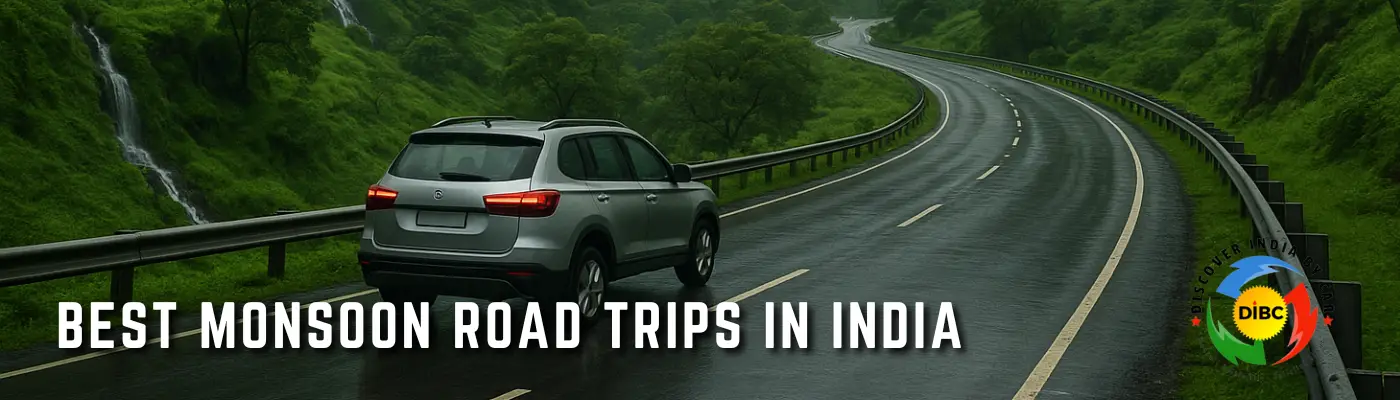
7 Best Monsoon Road Trips in India (2026) — Scenic, Safe & Must-Visit
Unlocking the Thrill of Monsoon Road Trips in India
Driving in the monsoons—that’s where the true Indian adventure lies. My own experience over 15+ years of extensive driving across India tells me that the second the dust settles and the landscapes erupt in brilliant green, we’ve entered the country’s most beautiful travel window. Forget the brown, heat-dazed monotony of summer; monsoon road trips in India offer a magnificent canvas of misty mountains and roaring waterfall road trips.
Why Monsoon is the Most Scenic Season for Road Trips
It’s simple: visibility of waterfalls increases tenfold, the air is clean, and the heat disappears. We, as drivers, get the reward of spectacular, scenic monsoon routes unlike any other time of the year.
Why Monsoon Driving Needs Expert Guidance
The sheer beauty is distracting, and the risk is genuine. Wet road safety is not a passive topic; it requires an active strategy. Over a decade of navigating flash floods in the ghats and dense fog near hill stations has taught me that the key difference between a memorable trip and a regretted one is preparation and expertise. If you’re tackling tricky stretches of ghat driving in monsoon, you need tried-and-tested advice, not Wikipedia wisdom.
What This Guide Covers
In this comprehensive guide, I’m going to share the non-negotiables: the absolute best monsoon road trips in India, a crucial risk meter by state, the latest road condition expectations, and essential gear you’ll need for your monsoon trips by car. This is your full-fledged monsoon travel guide India.
Who This Guide Is For
Whether you’re a couple seeking monsoon road trips for couples, a family planning monsoon family road trips, a solo traveller, or a biker, the authority built into these tips is your essential monsoon road trip safety manual.
Is Monsoon Good for Road Trips in India?
The simple answer, from an experienced road expert, is: Yes, with a crucial asterisk on caution. The monsoon turns routine routes into beautiful monsoon travel destinations India, but it actively demands vigilance from every driver.
Pros: The Monsoon’s Magical Upside
- Intense Greenery: From arid plains to the hill stations to visit in monsoon, the colours pop. It’s a sensory treat you don’t get otherwise.
- Waterfalls at Their Peak: It’s the primary season for amazing waterfall road trips, many appearing only temporarily right next to the highways.
- Ethereal Ghats: The low-hanging clouds over Western Ghat passes offer truly scenic monsoon routes.
Cons: The Unavoidable Risks
- Hydroplaning and Skidding: The sudden layer of rainwater combined with road oil creates treacherous wet road safety issues.
- Geological Instability: Expect the constant threat of minor or major landslides, especially where ghat driving in monsoon is involved.
- Zero Visibility: Sudden, localized downpours can instantly kill visibility, making night-time rainy season road trips India highly precarious.
Safety Conditions by Road Type: A Personal Vetting
Road Type | Safety Assessment | Expert Driving Note |
Mountain Ghats | Highly Volatile | Prioritise low speed. Use engine braking. Never trust unverified reports of open roads. Focus entirely on expert ghat driving in monsoon techniques—not aggressive acceleration. |
Coastal Highways | Medium/High Pothole Risk | Watch for severe puddles and erosion near the sea. Rainy season highway travel here needs slightly reduced tire pressure (within safe limits) for better water displacement. |
Major Highways | Medium (Speed Dangers) | Hydroplaning risk is highest on smooth four-lane roads. Never brake sharply in the middle of a torrential downpour. Reduce speed before the rain hits. |
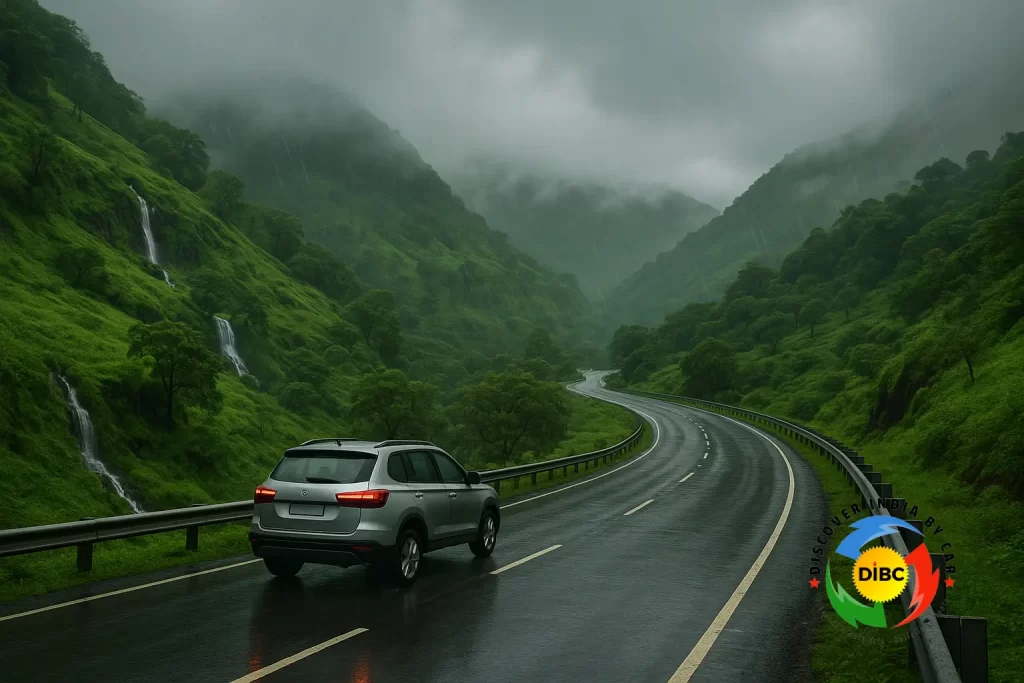
State-Wise Monsoon Risk Meter
When planning your journey to one of the India monsoon destinations, knowing the regional volatility—the Risk Meter—is more important than knowing the distance.
Region | Monsoon Risk Meter | Key Concerns & Why | Expert Advice (Non-Negotiable) |
North India (HP, UK, J&K) | HIGH | Landslides, Total Road Closure, Fog, Flash Floods: This region is geologically active and roads can disappear or be blocked for days. Don’t assume traffic police advice will save you. | Strictly only for those with significant ghat driving in monsoon experience. You must check a dedicated disaster management cell—not just a weather app—for your daily weather conditions for monsoon road trips. |
West India (MH, GA, GJ) | MEDIUM | Wet Ghats, Water Crossing Spots, Temporary Potholes: High rainfall areas like the Western Ghats see brilliant views but increased accident risk due to skidding. Roads generally reopen quickly. | Good for planned monsoon trips by car. Essential to leave early morning (7 AM) to finish the driving segment by 4 PM. |
South India (KL, KA, TN) | MEDIUM-LOW | Heavy Rain, But Mostly Stable Roads (Highways): The infrastructure on key highways is often superior here, managing runoff better. Remote areas, however, have localized flood risks. | Ideal region for comfortable monsoon family road trips but stick strictly to major roads. Choose high-clearance vehicles for confidence. |
East India (AS, ML, SK) | HIGH | Connectivity Issues, Extreme Waterlogging, Slippery Slopes: In places like Cherrapunji, you drive through a river that’s now the road. The beauty is matched only by the sheer isolation risk. | Mandatory pre-booking of certified homestays, not remote stops. Always have two-day emergency rations, just in case a block hits. |
Best Monsoon Road Trips in India
Here are the tested, safest, and most monsoon-friendly road trip routes to experience the magic without undue risk.
Trip #1: Mumbai to Lonavala / Khandala (Maharashtra)
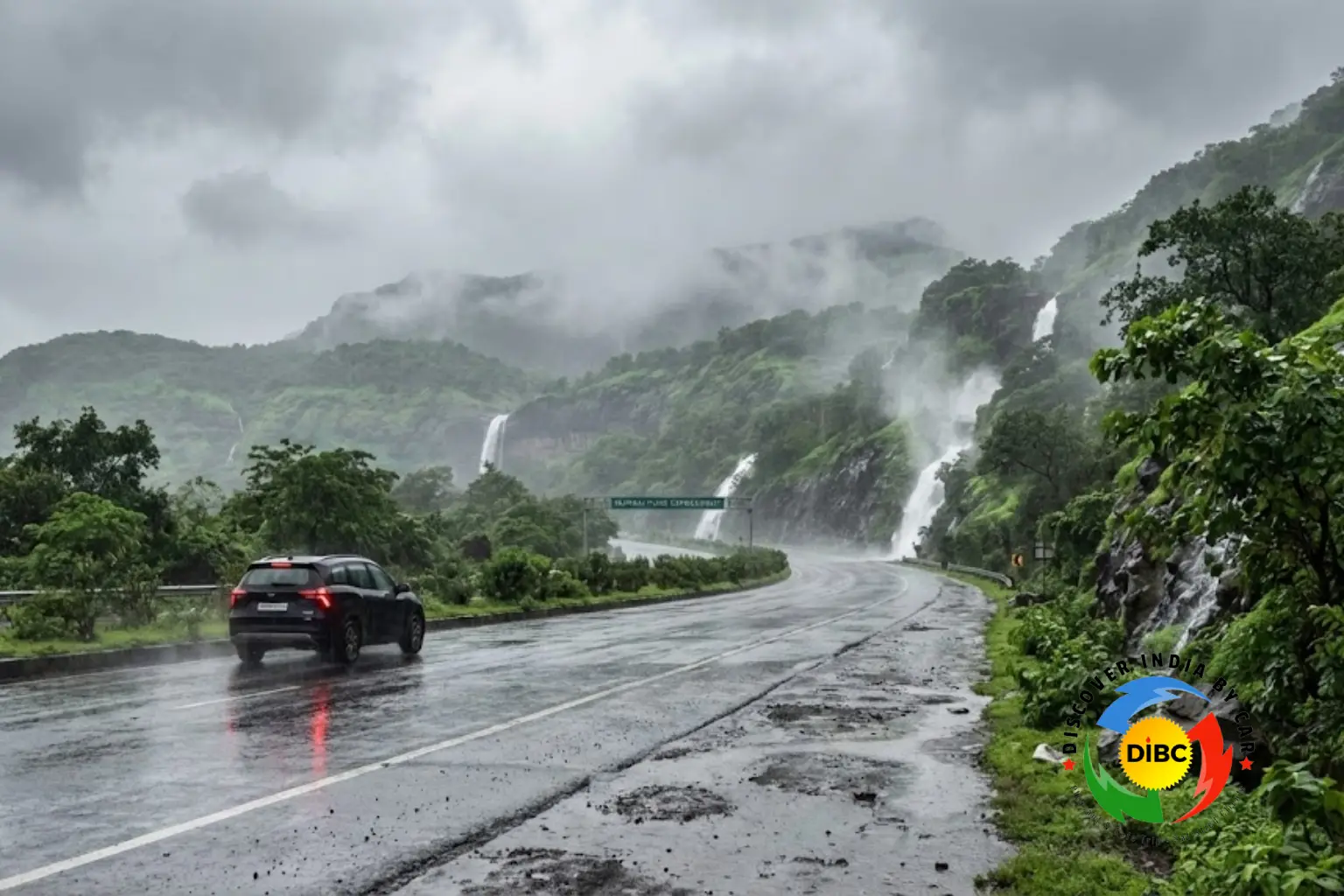
- Overview: The definitive monsoon trips by car experience from Mumbai. The hills and gorges of the Ghat are transformed by clouds.
- Why Monsoon Makes It Special: You literally drive into the clouds. The dozens of small waterfalls on the valley slopes turn into stunning photo opportunities (just don’t stop on the expressway!).
- Distance + Driving Time: ~90 km, 2.5–3 hours.
- Road Conditions: Excellent six-lane expressway till the end. The real challenge is the Lonavala exit where local traffic, mist, and extremely slick road surfaces converge—practice precise wet road safety.
- Safety Tips: Best monsoon trips from Mumbai begin before 7 AM to avoid traffic near the hills. Use designated parking only.
Trip #2: Bangalore to Coorg (Karnataka)
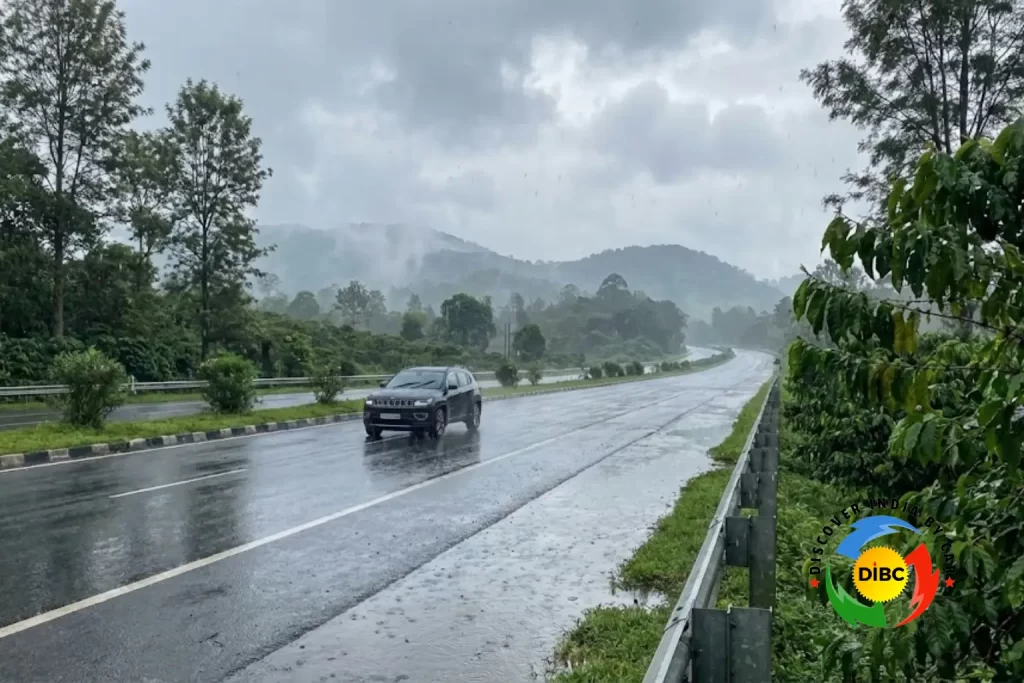
- Why Monsoon Is Magical: The misty coffee plantations earn this area its ‘Scotland of India’ moniker. Perfect for a calming monsoon road trip for couples away from city noise.
- Distance / Route: ~260 km, via Mysore or NH 75 (Hassan). Monsoon-friendly road trip routes start early morning.
- Road Conditions: Mostly fantastic four-lane highway connectivity. Road deterioration is often localized in the final 50km stretch—look out for unseen potholes after bends.
- Monsoon Activities: Soft hiking (avoiding streams), soaking in the ambiance, and excellent filter coffee breaks.
Trip #3: Delhi to Lansdowne (Uttarakhand)
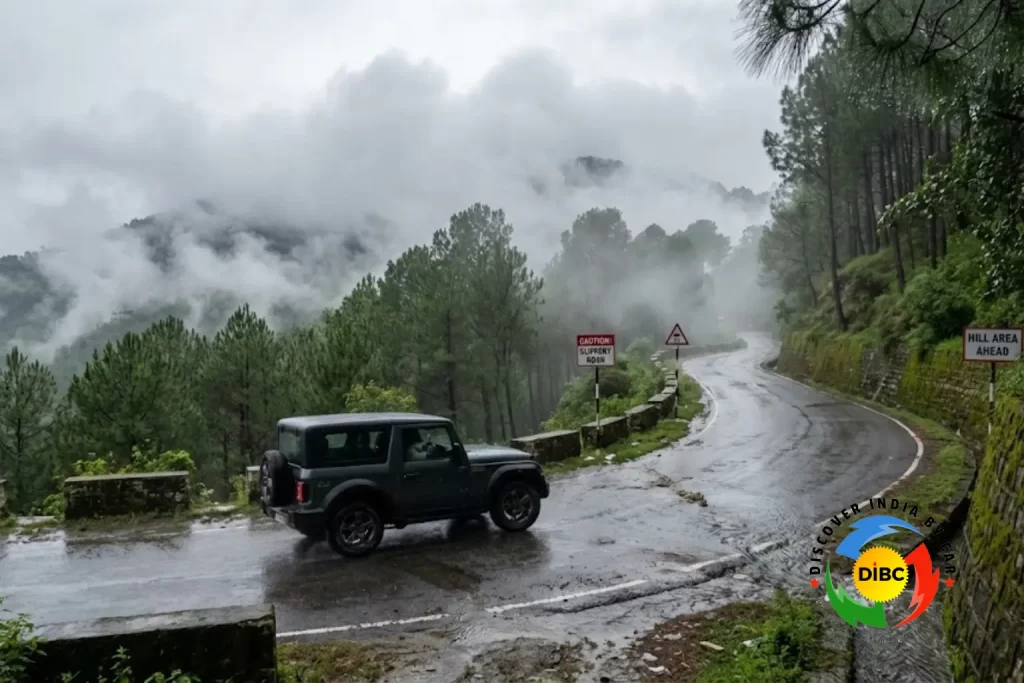
- Best for Couples & Families: Lansdowne, an easy, quieter military cantonment town, is a gem for low-risk, controlled monsoon family road trips.
- Risk Meter: Medium. While technically in the foothills, the climb up from Kotdwar has active rain-wash zones. Follow monsoon road trip safety strictly.
- Route Details: Delhi – Meerut – Kotdwar – Lansdowne. Aim to complete the hilly section by noon.
- Weather Warnings: Check local news for Garhwal blockades (Rishikesh/Chardham area reports can give a local sense of risk for this nearby range).
Trip #4: Chennai to Yelagiri (Tamil Nadu)
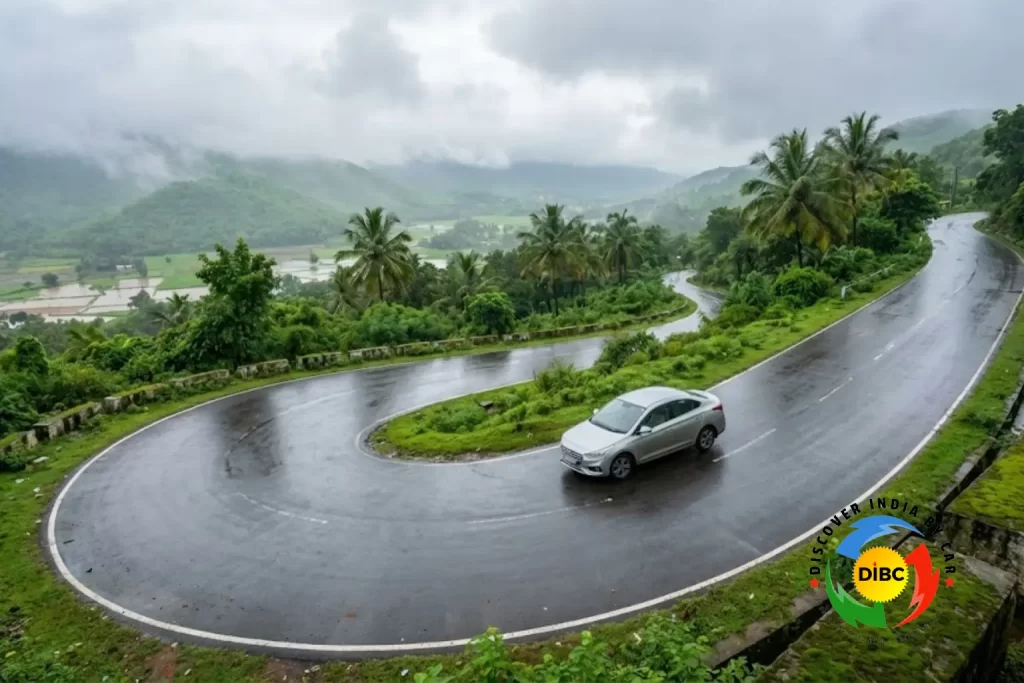
- Easy Hill Drive (LSI Keyword): For rainy season road trips India where you want less intensity, Yelagiri is a highly manageable drive—less prone to massive water volumes than Kerala/Goa. It’s one of the safest monsoon road trips in India near the coast.
- Driving Difficulty: Very Low (Beginner-Friendly).
- Monsoon-Friendly Viewpoints: The entire 14-hairpin drive provides panoramic vistas over the flooded valleys without being a challenging ghat.
Trip #5: Guwahati to Cherrapunji (Meghalaya)

- Rain Capital of India: Waterfall Road Trips Masterclass: This is a trip for extreme adventurers wanting guaranteed maximum waterfall road trips—Cherrapunji is the peak India monsoon destinations spot for rain volume.
- Route Conditions: Expect frequent poor visibility, exceptionally slippery asphalt, and areas where streams are temporarily running over the main road—requiring maximum ghat driving in monsoon control.
- Slippery Zone Warnings: Drive like you have a newborn in the back; slow and smooth is the only way to manage the extremely wet roads and ensure good wet road safety.
Trip #6: Pune to Malshej Ghat (Maharashtra)
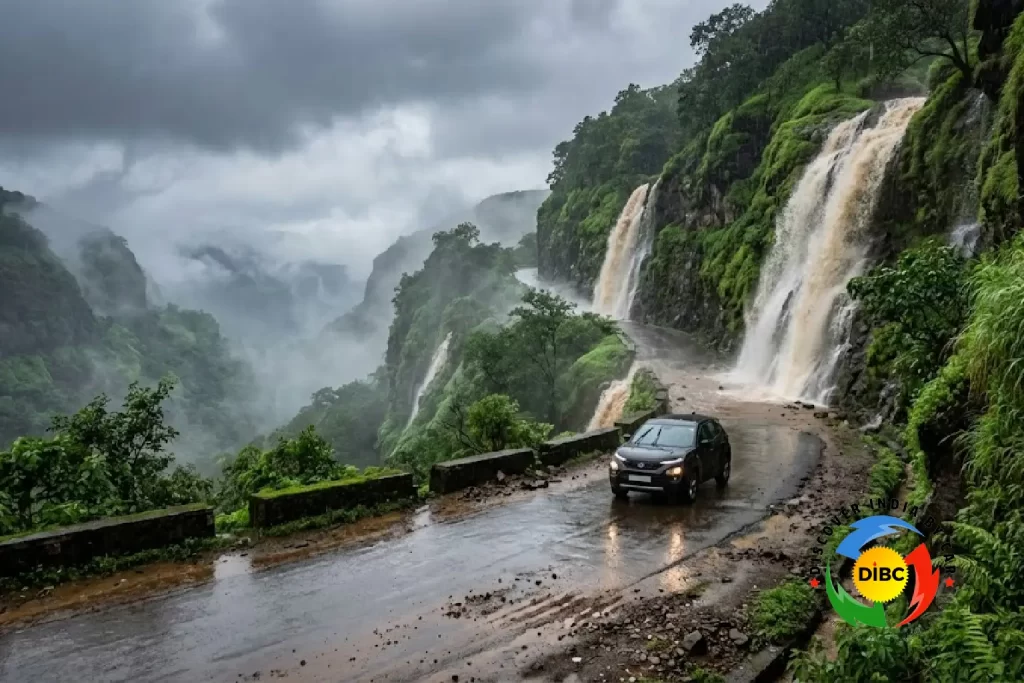
- Known for Waterfalls (LSI Keyword): Every turn in Malshej feels like a detour into a rain forest. A popular spot for local, quick monsoon trips by car.
- High Risk Areas: Look for fresh earth, muddy streaks, or gravel washed over the asphalt; these are potential rockfall zones and require ultra-low speed for monsoon road trip safety.
- Safe Driving Window: 8 AM to 5 PM only. Do not attempt this after dusk.
Trip #7: Jaipur to Udaipur (Rajasthan)
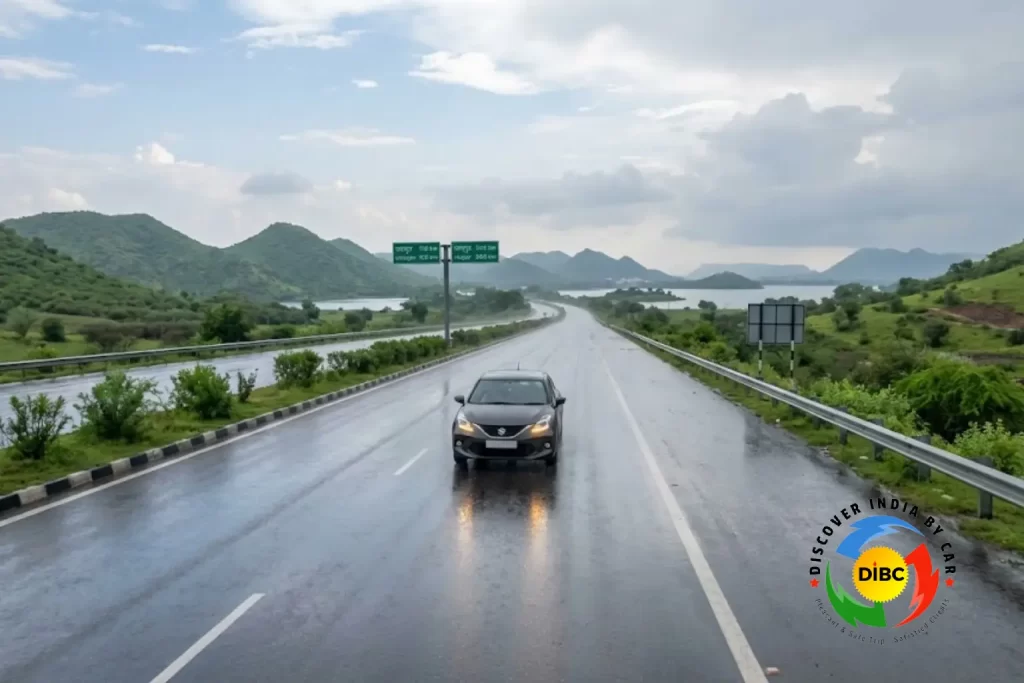
- Scenic Monsoon Backdrop: A curveball choice. The National Highway quality is outstanding. You swap mountains for lakes—Udaipur’s lake systems become magical when full, offering the safest monsoon road trips in India with minimal geographical risk.
- Route Quality: Largely fantastic, allowing comfortable rainy season highway travel focused mostly on visibility and braking distance.
Road Conditions to Expect During Monsoon
A quick rain shower does not make for the real monsoon road trips in India. True monsoonal road driving involves these specific, expert-level risks that you must recognize instantly:
- Hydroplaning Dangers: After heavy rain, patches of deep water will cause your tyres to lift off the road surface. Do NOT brake or turn the steering aggressively; just take your foot off the accelerator and let the vehicle slowly regain traction naturally. This is the difference between panic and control during high-speed rainy season highway travel.
- Slippery Ghats: The greatest danger isn’t rain but the initial oil film released from asphalt just as the first showers hit after a long dry spell. This oily film must be scrubbed away by rain before traction normalizes. Maintain hyper-vigilance during this transition.
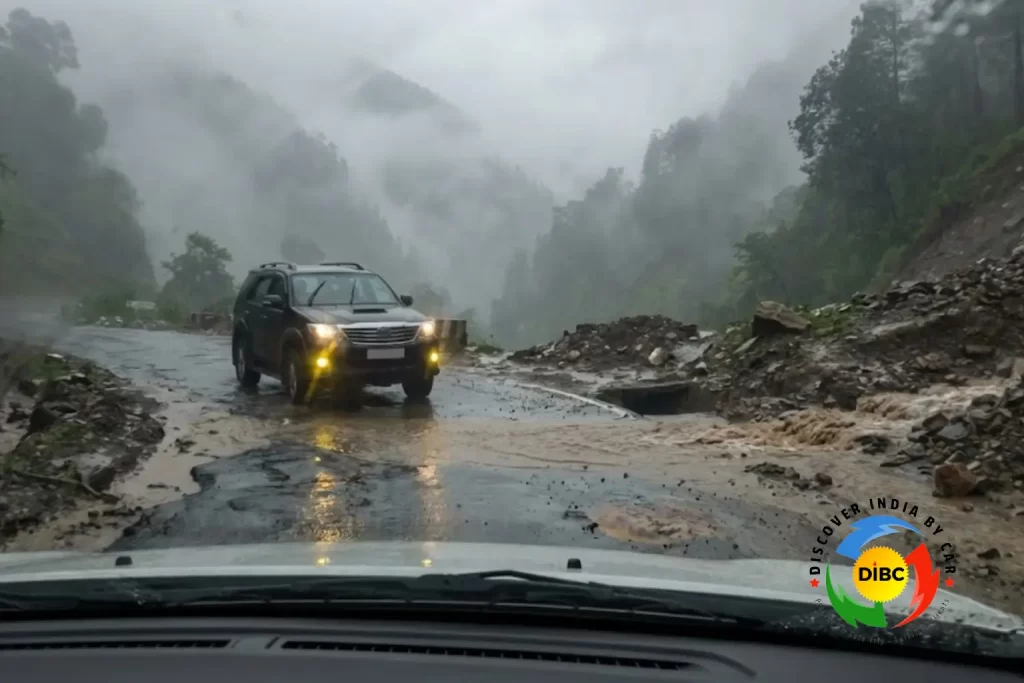
- River Overflow Zones: Flash floods turn simple road dips into death traps. If you cannot see the road edge, if the water is flowing rapidly, or if it exceeds 6 inches in depth—stop and wait. No risk is worth the potential engine seizure or loss of vehicle control.
- Fog Visibility Issues: The humidity + mountain air combination creates sudden, localized, pea-soup fog. Learn to use the low beam and the amber fog lights effectively (covered next).
- Potholes / Broken Patches: Heavy rain creates them fast, and water hides them perfectly. Reduce speed whenever you approach standing water to absorb the hidden impacts.
- Mountain Road Cave-ins: These sudden road erosions are an issue during active landslides. If the route seems too quiet after rain, be extremely cautious. Always listen for reports of mountain closures, even in milder India monsoon destinations.
Essential Safety Tips for Monsoon Road Trips
As an expert on the road, I believe proper adherence to these monsoon driving safety tips is more important than the quality of your car. This is your survival guide for the best monsoon travel guide India!
- Tyre Pressure & Tread Check: Never go for bald or low-tread tyres; the tread is what displaces the water. Keep the pressure slightly on the lower side of manufacturer recommendations (NOT underinflated) for a better road contact patch, drastically improving wet road safety.
- The Fog Light Rule: Use your low-beam headlights and your yellow fog lights (both front and rear) in heavy rain/fog. High beams reflect off the moisture, making things worse.
- Engine Braking Masterclass for Ghats: Ghat driving in monsoon means maximum engine braking. Use a lower gear (2nd or 3rd) downhill. Use the foot brake to trim the speed only—not as the primary decelerator—to prevent overheating and brake fade on long slippery stretches.
- Why Avoid Night Driving: Simply put, at night, judging water depth and anticipating weather conditions for monsoon road trips is impossible. The risks exponentially outweigh the negligible benefits. Stay grounded, check in by sunset.
- Safe Distance Rules Are Trebled: Double or triple the standard safe distance (aim for a 5-6 second following distance). Braking distances increase drastically on a slippery surface during rainy season highway travel.
- River Crossing Warnings (Expert Advice): Do not follow another vehicle blindly. Test the current with a stick or look for the least turbulent point, but seriously: if you have doubt about the flow or the depth, wait for the water level to subside. It’s a key part of smart monsoon road trip safety.
- Windows and Condensation: Always use the defogger (Air Conditioning/Ventilation fan) combined with fresh air input to prevent the windshield and windows from misting up inside—a common monsoon-related visibility killer.
- The Monsoon Road Trip Checklist India – Document Protection: Store ALL original documents (License, PUC, RC, Insurance) in separate, high-quality waterproof Zip-Lock bags or sealed pouches. Wet documents cause big delays at any checkpoint.
Car Essentials for Monsoon Travel: A Pro-Driver’s Monsoon Road Trip Checklist India
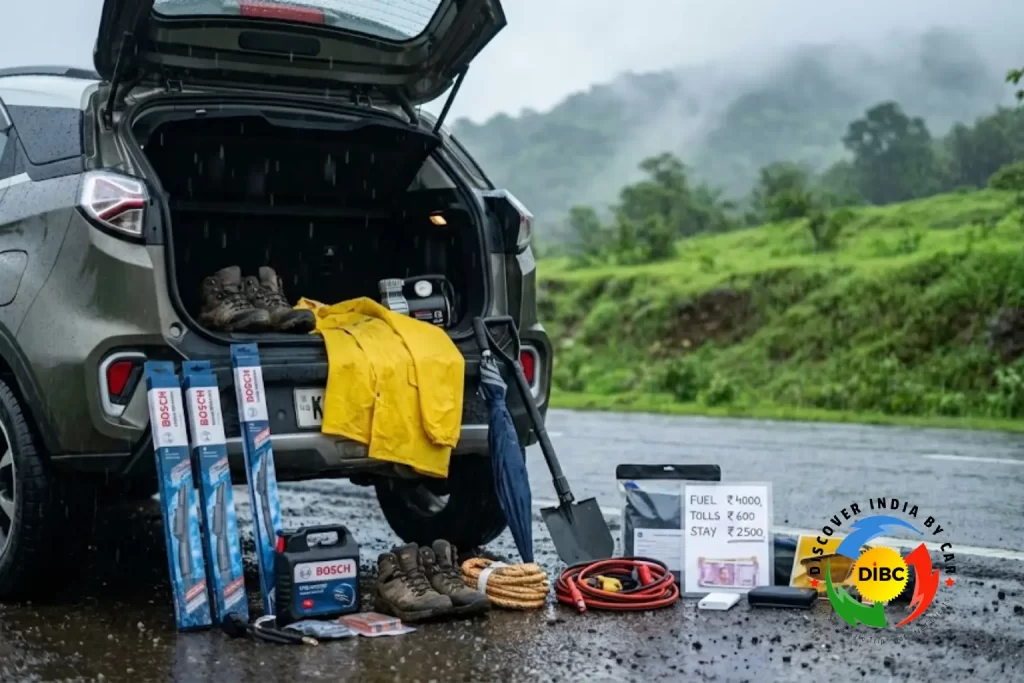
Never assume you can find quality items on a remote stretch. This kit prepares you for all India monsoon destinations challenges:
- Wipers: New, quality Bosch/Hella type wiper blades are a must. The life you save will be your own.
- Tyres: Verify sufficient tread (above 3mm). Puncture kit and inflator essential.
- Brakes: Serviced and confirmed, including emergency brake integrity.
- Toolkit: Jack, spanners, jumper cables.
- Emergency Kit: High-visibility reflective tape, small foldable shovel (for moving mud/gravel from tyre paths), basic tow-rope.
- Visibility Gear: Amber/Yellow headlamp films (legal for many states for monsoon), strong LED torch/flashlight.
- Rain Gear: Heavy-duty raincoat, trekking boots for roadside stops, spare umbrella.
- Electronics: Waterproof bags for gear and a power bank charged for two days of cell use—essential if communication is cut due to closures.
Budget Breakdown for Monsoon Trips
Pricing varies greatly by comfort and choice of hill stations to visit in monsoon. This model provides a reliable estimate for 4-day trips in West India (MH/KA), factoring in high tolls and peak diesel/petrol prices in 2025.
Item/Traveller | Monsoon Road Trips for Couples (Hatchback/Sedan) | Monsoon Family Road Trips (SUV/MPV – 4 people) |
Fuel Cost (Approx 800-1000km, heavy A/C use) | ₹6,000–₹8,000 | ₹9,000–₹12,000 |
Food Cost (Mix of simple Dhabas/Resorts) | ₹7,000–₹10,000 | ₹12,000–₹18,000 |
Hotel Cost (Quality Mid-Range Hotel, 4 Nights) | ₹16,000–₹24,000 | ₹25,000–₹40,000 (Two Rooms/Luxury) |
Entry Charges/Tolls/Parking | ₹3,000–₹5,000 | ₹4,000–₹7,000 |
Emergency Contingency (Recommended) | ₹5,000 | ₹8,000 |
Total Estimated Cost (4 Days) | ₹37,000–₹52,000+ | ₹58,000–₹85,000+ |
Note: Factor in Safest monsoon road trips in India often mean booking accommodation ahead of time in preferred monsoon travel destinations India, sometimes at a premium price due to guaranteed stability/location.
FAQs
Q1. Is monsoon good for road trips in India?
Yes, monsoon season offers breathtaking visuals and is the most spectacular time to visit India monsoon destinations because the rain revives the scenery. However, it requires much greater attention to detail and monsoon driving safety tips.
Q2. Which are the safest monsoon road trips in India?
The safest monsoon road trips in India are those with high-quality, frequently maintained highways, minimizing the risk of landslides and washouts. Drives like Chennai to Yelagiri or Jaipur to Udaipur, using the excellent NH network, are considered lower-risk monsoon-friendly road trip routes.
Q3. Is it safe to drive ghats in rain?
Driving ghats in the rain is possible and done daily. Safety depends entirely on maintaining low speed, effective ghat driving in monsoon techniques (engine braking), and avoiding severe, low-visibility conditions. Always keep lights on.
Q4. What to avoid during monsoon travel?
You must absolutely avoid night driving, crossing rapid streams or deep water, traveling in known active landslide areas without confirmation of clearance, and attempting aggressive overtaking on wet surfaces. Always have your full monsoon road trip checklist India handy.
Q5. What is the best time to start a monsoon road trip?
The best time to start a monsoon road trip each day is strictly early morning (7:00 AM) to maximize daylight hours, complete any mountain sections before visibility drops, and find safe refuge before sunset.
Q6. Is it safe to drive during monsoon in India?
With a meticulously checked car, fresh tires, an understanding of advanced wet road safety, and adherence to the risk levels outlined above, driving during the monsoon in India is a manageable, safe, and immensely rewarding experience for a well-prepared driver.
Q7. Which monsoon road trip is the safest?
The monsoon road trip between two large cities using well-maintained highways—like the rainy season highway travel from Mumbai to Goa (NH-66) on a specific safe schedule or Jaipur to Udaipur—tends to be the safest option, prioritizing high connectivity over high altitude.
Q8. What to carry for monsoon road trips?
Essential gear includes working fog lights, new wipers, vehicle documents in a waterproof bag, emergency cash, essential toolkit, spare tire, and good rainwear. Consult the full Monsoon Road Trip Checklist India for details.
Q9. Best time in the day to drive in monsoon?
The best time is between 8 AM and 4 PM, during the primary sunlight hours. Avoid driving from 5 PM onwards until sunrise.
Q10. What are the risks of monsoon travel?
The major risks of monsoon travel include loss of traction (hydroplaning), unpredictable rockfalls, sudden total visibility loss in fog or heavy rain, and vehicle damage from unseen potholes under standing water.
Conclusion: Embrace the Green, Respect the Wet
You’ve got the map. You know the risks. A successful monsoon road trip in India comes down to just one principle: Slow and steady wins the race. Don’t treat the slick roads like dry tarmac, use engine braking religiously, and respect the incredible transformation that creates these glorious, scenic monsoon routes.
The best reward? Arriving at your chosen monsoon travel destinations India after navigating the stunning views that only the rain can offer. Drive meticulously, remain vigilant, and you will unlock India’s finest road experience.
Planning your next trip beyond the rains? Continue your research and expert travel planning right here at DiscoverIndiaByCar.com! Happy Motoring!


