- Private car and driver in Delhi / India
- +91-8447445445
- info@discoverindiabycar.com sugar.ankit@yahoo.com
 +91-9818434712
- Follow us:



Bandhavgarh vs Kanha: Which Is the Best Tiger Safari in India?
The Best Tiger Safari in India: Bandhavgarh vs Kanha
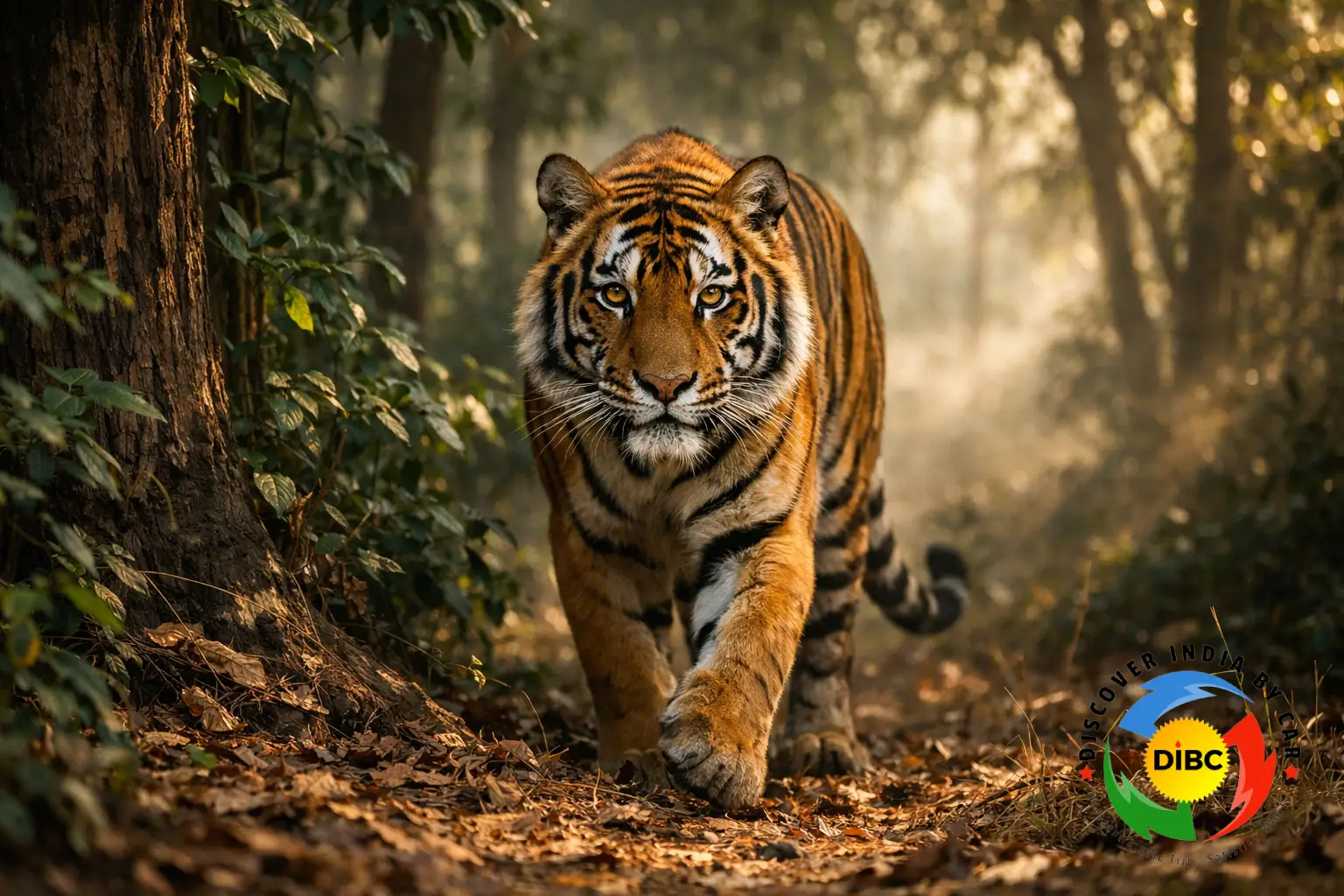
India is home to more than 70% of the world’s remaining wild Bengal tiger population, making it the most important destination on Earth for tiger safaris. For wildlife photographers, nature enthusiasts, and international travellers, spotting a Bengal tiger in the wild is often the highlight of an India wildlife tour.
However, when planning a tiger safari in India, one question almost always arises: Bandhavgarh vs Kanha — which national park offers the best tiger sightings?
Both Bandhavgarh National Park and Kanha National Park are located in Madhya Pradesh, widely known as the “Tiger State of India”. Yet these two reserves provide completely different safari experiences. Bandhavgarh is famous for having one of the highest tiger densities in India, while Kanha is celebrated for its vast landscapes and legendary connection to Rudyard Kipling’s The Jungle Book.
In this expert guide from Discover India By Car, we compare Bandhavgarh and Kanha across multiple factors including tiger sighting probability, safari experience, landscape beauty, wildlife diversity, photography potential, and travel logistics so you can choose the best tiger safari destination in India for your trip.
Which Is Better: Bandhavgarh or Kanha?
If your main goal is seeing tigers quickly, Bandhavgarh National Park is usually considered the best tiger safari destination in India due to its extremely high tiger density and relatively compact size.
However, if you prefer vast landscapes, fewer safari vehicles, and a more immersive wilderness experience, Kanha National Park is often regarded as one of the most beautiful and ecologically rich wildlife reserves in Asia.
Many experienced wildlife travellers actually combine both parks to experience the complete Central India tiger safari circuit.
So, which tiger reserve is best in India for your specific travel style?
At Discover India By Car, we understand that planning an international wildlife trip requires significant time, investment, and logistical coordination. In this comprehensive, expert-level guide, we will break down both national parks to help you understand their landscapes, wildlife ecosystems, tiger sighting probability, photography potential, and safari costs. By the end, you’ll know exactly which destination to choose for the ultimate India wildlife adventure.
Welcome to Madhya Pradesh: India’s Ultimate Wildlife Circuit
Before diving into the head-to-head comparison, it is crucial to understand the region. Both Bandhavgarh and Kanha belong to the state of Madhya Pradesh, which arguably offers the best tiger reserve in Madhya Pradesh and the country.
According to India’s 2022 Tiger Census conducted by the National Tiger Conservation Authority (NTCA), Madhya Pradesh recorded the highest number of wild tigers among all Indian states. This reinforces the state’s reputation as the premier destination for tiger safaris in India.
Madhya Pradesh sits in the geographical heart of India. Its topography features the dense Satpura and Vindhya Mountain ranges, creating the perfect dry deciduous forest ecosystem where the Bengal tiger thrives.
What sets the MP wildlife circuit apart is its exceptional safari infrastructure. Unlike wildlife drives in African reserves, tracking tigers in India involves strict zone-based entry systems, regulated Jeep numbers, expert MP tiger safari guides, and incredibly preserved core environments. While navigating the logistics—such as a Bandhavgarh tiger safari booking—can feel complex for first-timers, the rewards are deeply satisfying.
Which Tiger Reserve Has the Highest Tiger Sightings?
Bandhavgarh National Park is widely considered the best tiger reserve in India for frequent tiger sightings. Because the park has one of the highest tiger densities in the country and a relatively compact landscape, safari vehicles often encounter multiple tiger movements within a short period.
Kanha National Park, on the other hand, offers a more expansive wilderness experience with slightly lower tiger sighting frequency but far greater ecological diversity.
Bandhavgarh vs Kanha: Quick Comparison
Feature | Bandhavgarh National Park | Kanha National Park |
Tiger Density | Very High | Moderate |
Park Size | Smaller | Much Larger |
Best For | Frequent tiger sightings | Scenic wilderness experience |
Landscape | Rocky hills and bamboo forests | Sal forests and open grasslands |
Photography | Close tiger portraits | Landscape wildlife photography |
Crowds | Higher during peak season | Generally less crowded |
Ideal Safari Duration | 3–4 days | 4–6 days |
Let’s explore the heavyweight contenders.
Bandhavgarh National Park: The Undisputed Kingdom of Tigers
For visitors focused heavily on tiger sighting probability in India, Bandhavgarh National Park is historically regarded as the gold standard. Located among the Vindhya Hills, it is a relatively small park when looking exclusively at its core area, but its tiger density is astonishing.
Bandhavgarh Landscape and Historical Attractions
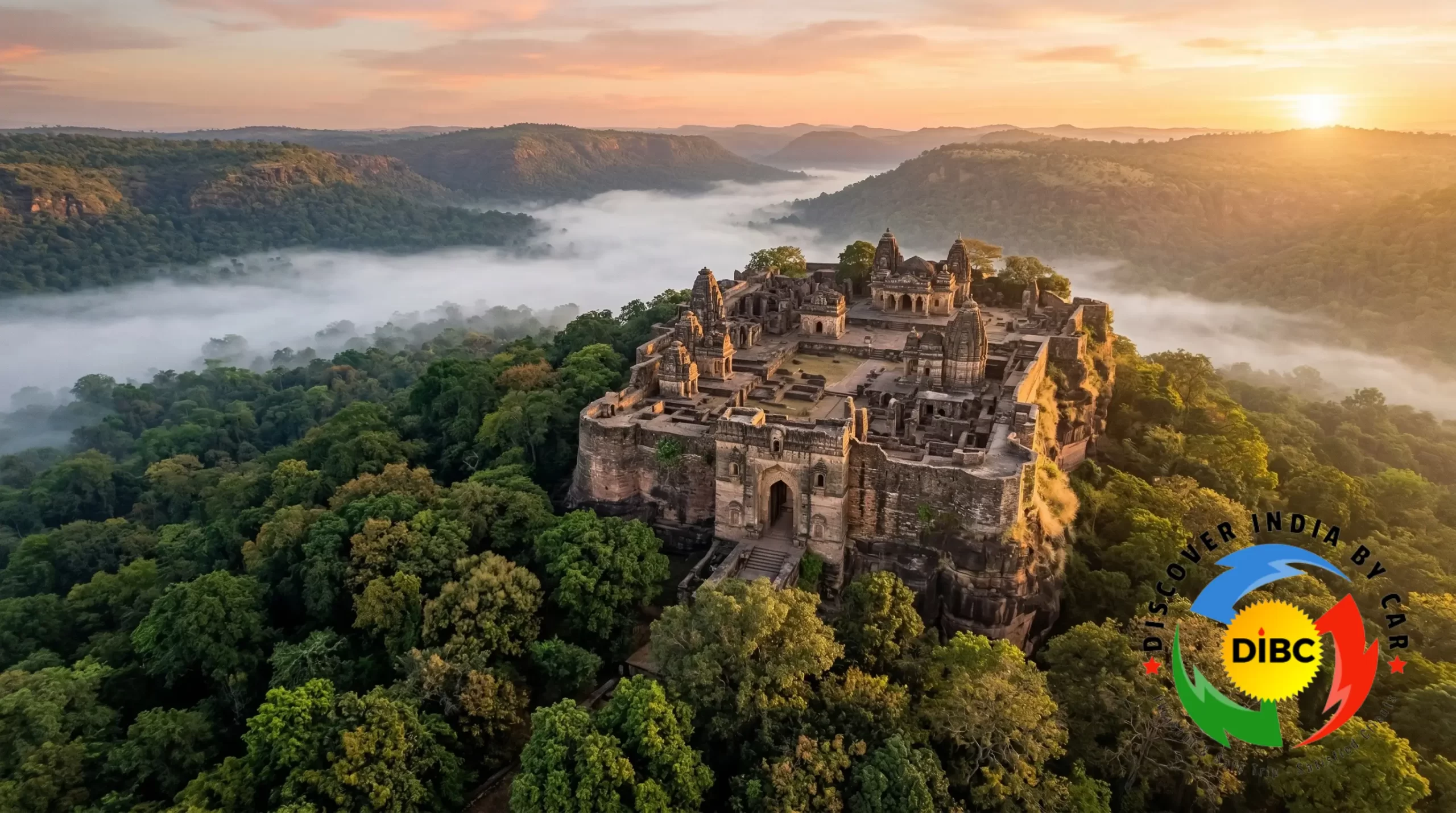
The landscape of Bandhavgarh is a mesmerising mix of steep rocky hills, vast bamboo thickets, and deep green valleys. Rising prominently in the middle of the park is an ancient, dramatic tableland featuring the 2,000-year-old Bandhavgarh Fort. Throughout the jungle, you’ll find ancient statues—like the magnificent Sheshshaiya (a 65-foot statue of Lord Vishnu reclining)—ancient caves, and forgotten ruins being slowly reclaimed by nature. This juxtaposition of Indian history and wild predators gives Bandhavgarh a mystical aura that you simply won’t find anywhere else.
Tiger Sightings and Wildlife Experience in Bandhavgarh
Why is it considered the best national park in India for tigers? Due to its dense tiger population concentrated in a smaller topography, the cats are frequently forced into overlapping territories, meaning multiple sightings are not uncommon. Moreover, Bandhavgarh tigers are historically known to be quite bold and well-acclimated to the presence of safari gypsies.
Beyond tigers, Bandhavgarh holds a decent population of leopards, sloth bears, Indian wild dogs (Dhole), sambar deer, spotted deer (chital), and the critically important gaur (Indian bison). However, many travellers feel that because of the sheer abundance of tigers, the park is very tiger-centric. When alarm calls erupt in Bandhavgarh, the pursuit of the tiger becomes a fast-paced adrenaline rush.
Core Zones Breakdown
To maintain a high-quality experience, the park restricts vehicle entry through zones:
- Tala Zone: Historically, the premium and oldest zone, home to the fort and beautiful natural features. Known for frequent large male sightings and dramatic landscapes.
- Magdhi Zone: Currently heavily praised for excellent tiger movement. Open grassland spaces offer excellent sighting potential.
- Khitauli Zone: Best known for leopard and sloth bear sightings alongside tigers, featuring thicker forest terrain.
Pros and Cons of Bandhavgarh
Pros:
- Among the highest tiger sighting probabilities globally.
- Incredible landscape blending nature with archaeological ruins.
- Excellent location for capturing iconic tiger shots.
- Often requires fewer days to secure a strong sighting.
Cons:
- Highly congested in peak season due to high demand.
- Because the primary focus is purely on the tiger, general wilderness lovers may feel rushed past other flora and fauna.
- A smaller area means vehicles can crowd together when a tiger is spotted.
Kanha National Park: The Expansive “Jungle Book” Wilderness
If you define the best tiger safari in India by sheer aesthetic beauty, sprawling pristine ecosystems, and an unhurried, holistic wildlife experience, Kanha National Park claims the throne. Covering a massive area in the Maikal range of the Satpuras, Kanha represents wild India in its most romantic, vast form.
Kanha National Park Landscape and Ecosystem
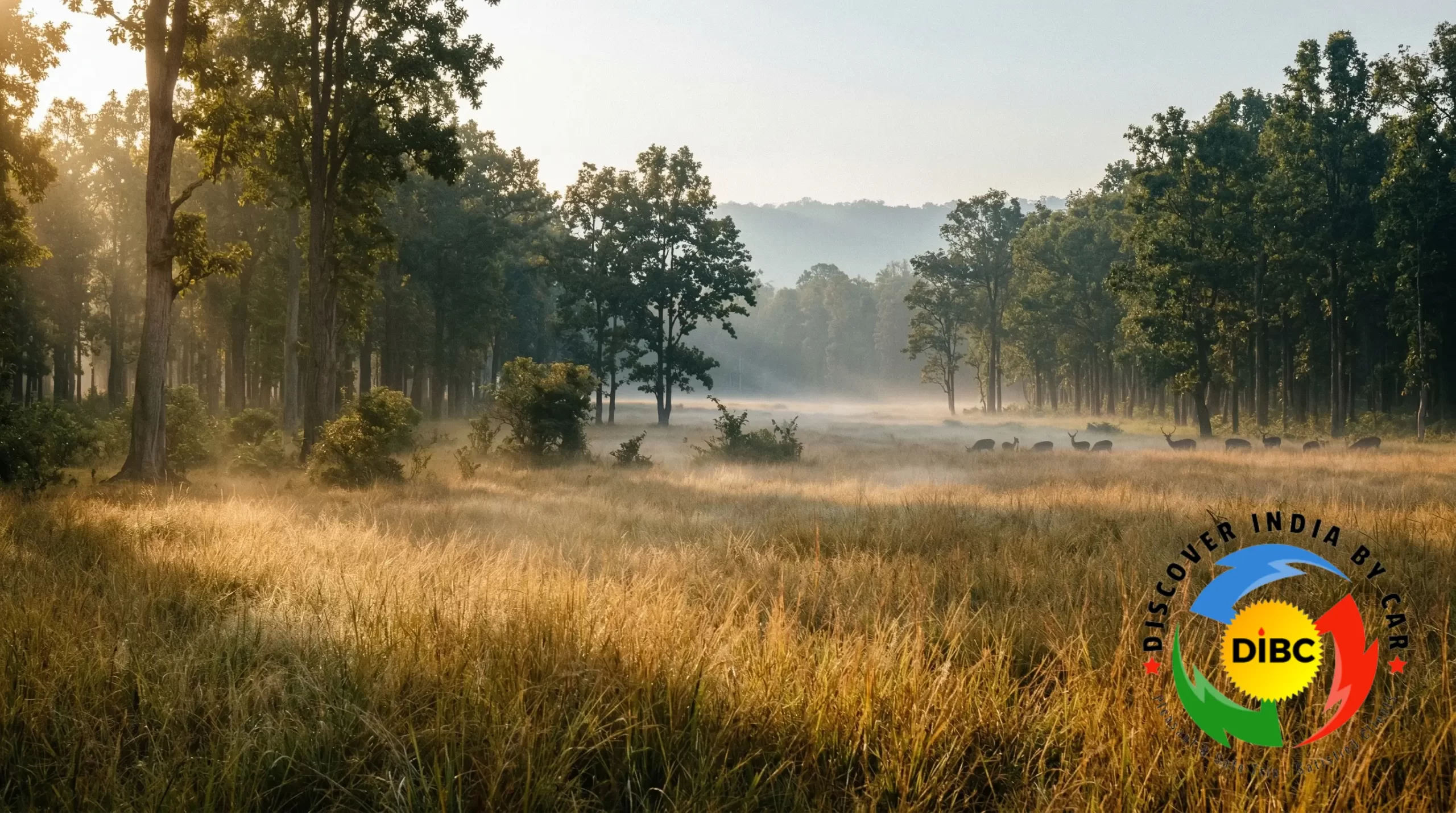
Kanha is massive. As you drive into the park under a thick canopy of majestic Sal trees, opening out into vast grassy meadows known as maidans, glowing golden in the dawn light, you realise why Rudyard Kipling was allegedly inspired by these jungles for The Jungle Book.
The park’s enormous size provides a deeper sense of solitude. The roads wind through dramatic valleys, pristine streams, and plateaus, offering breathtaking landscapes.
Tiger Tracking and Wildlife Sightings in Kanha
While the tiger density is lower than Bandhavgarh in terms of sheer ratio to landmass, the total population in Kanha is exceptionally high. Finding a tiger here is deeply rewarding because it feels like a real tracker’s achievement. An experienced Kanha National Park safari guide will look for pugmarks on soft dirt paths, listen intensely for Langur alarm calls, and utilise tracking intuition to place your gypsy perfectly in an open meadow.
But what sets Kanha apart is its remarkable biodiversity and success stories. Kanha saved the Hard Ground Barasingha (the Swamp Deer) from the brink of extinction. These magnificent deer, sporting twelve-tined antlers, can be seen majestically feeding in the misty grasslands. The park is also spectacular for observing large packs of Dholes, beautiful Leopards, over 300 species of birds, and immense Indian Gaurs.
Core Zones Breakdown
Because of its size, Kanha’s gates are spread out. When booking accommodation, make sure it matches your safari gate!
- Kanha Zone: The most famous and historical zone. Offers lush meadows and iconic photo opportunities. Known for great Barasingha sightings alongside tigers.
- Mukki Zone: A gorgeous mixture of thick woods, watering holes, and hilly terrain. Very popular with repeat visitors and nature documentary filmmakers due to the large predator dynamics.
- Kisli Zone: The entry corridor featuring towering Sal trees and frequent wild dog/leopard activity.
- Sarhi Zone: Relatively newer and features open grasslands. Quiet and remote.
Pros and Cons of Kanha
Pros:
- Arguably, the most beautiful, awe-inspiring forests in India are.
- Holistic, tranquil wildlife experience far removed from “tiger tourism traffic.”
- Exceptional infrastructure for a truly relaxing luxury holiday.
- Fascinating conservation projects (e.g., the Barasingha).
Cons:
- Takes greater tracking skill and a longer trip to secure top tiger sightings due to the massive land area.
- There are fewer dramatic historical monuments compared to Bandhavgarh’s fort and ruins.
Bandhavgarh vs Kanha: Head-to-Head Comparisons
To help you decisively settle the “which tiger reserve is best in India” debate for your itinerary, here is a detailed, side-by-side analysis of factors that matter to travellers.
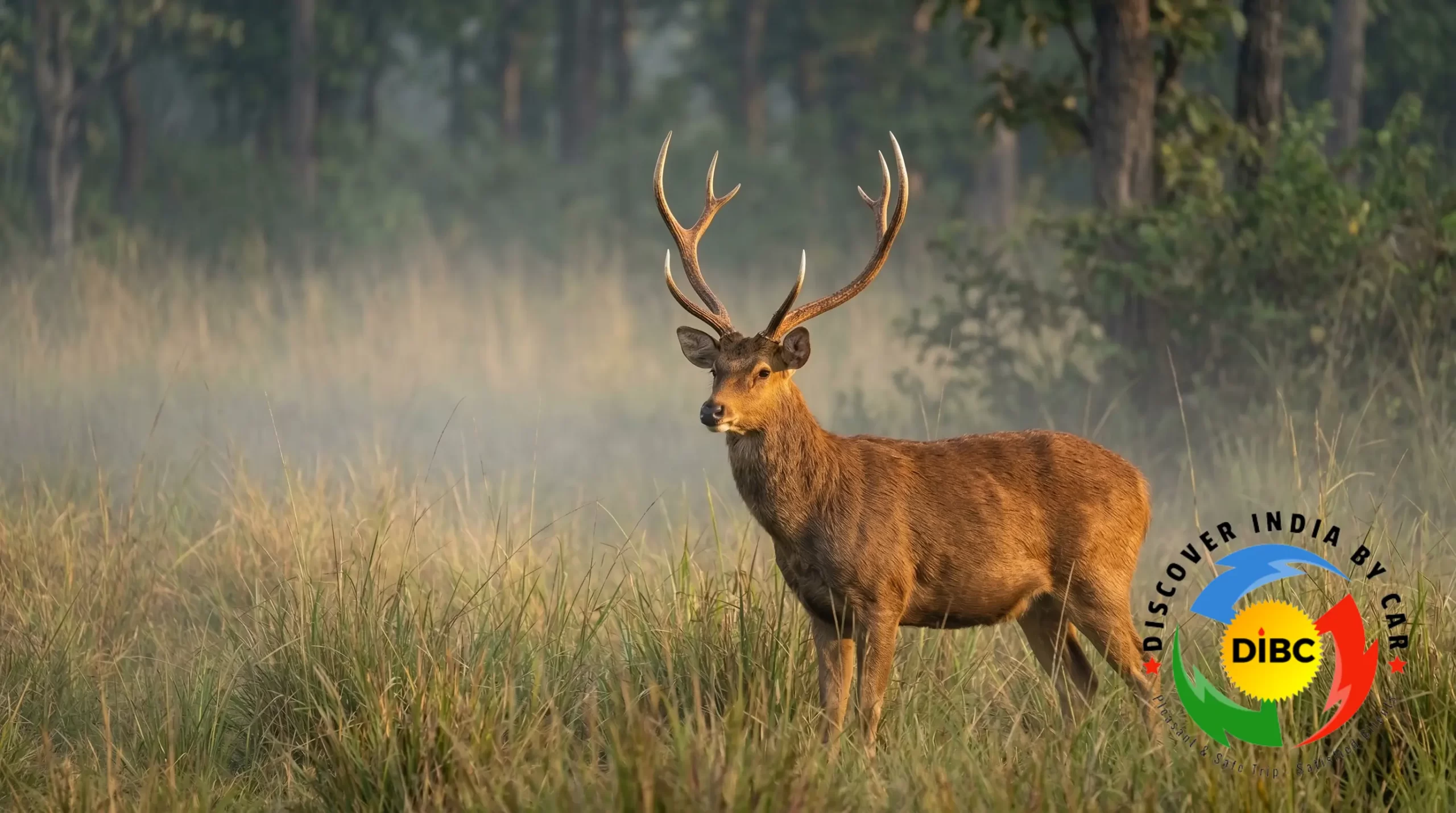
Which is Best for an India wildlife photography tour?
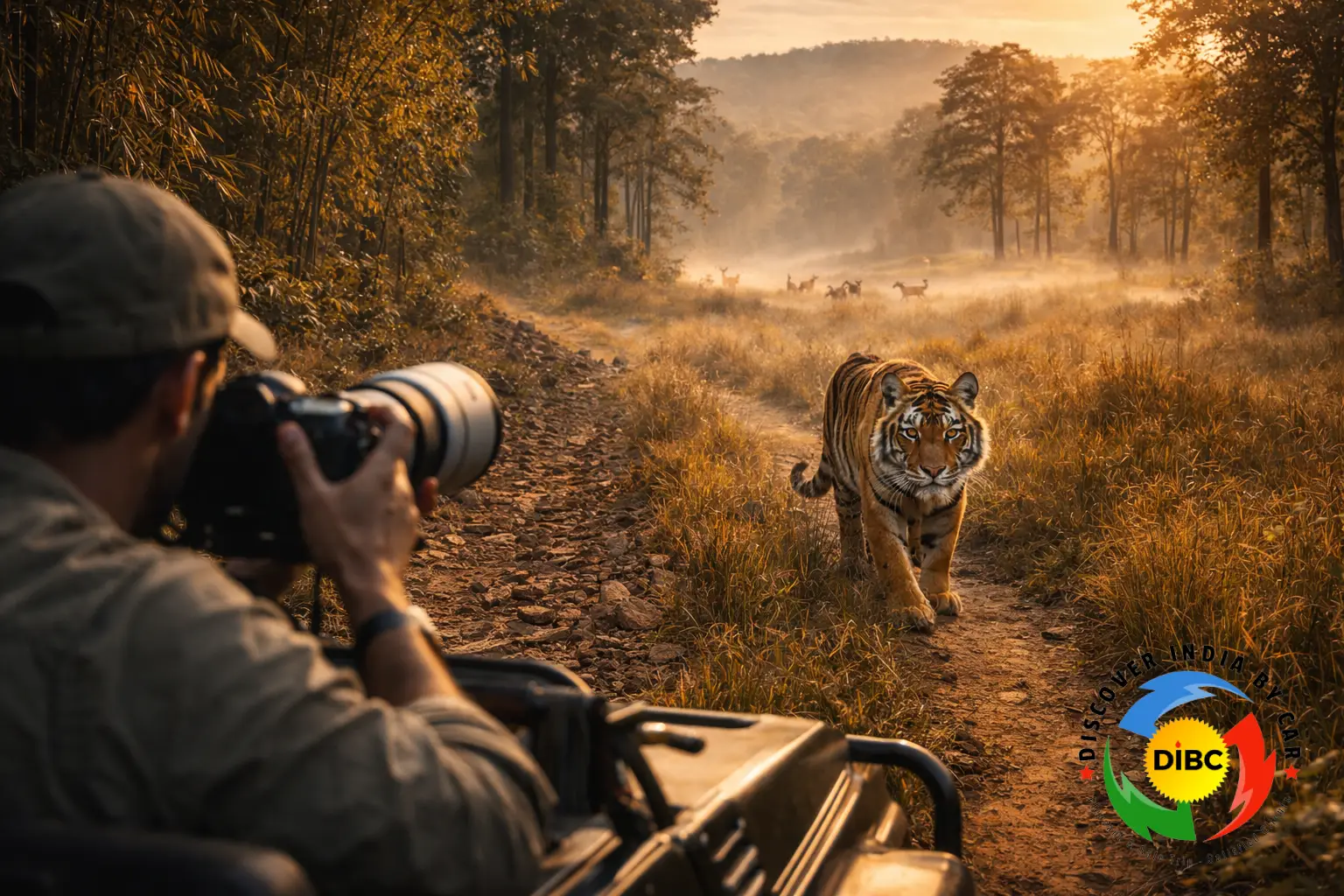
- Bandhavgarh takes the lead if your primary goal is the ultimate “calendar shot” of a massive male tiger. Due to the rocky terrains and frequent roadside sightings, portrait opportunities are fast and phenomenal.
- Kanha, however, is favoured by seasoned, fine-art wildlife photographers. The incredible golden-hour lighting filtering through Sal trees, mixed with winter morning mists and grassy maidans, allows you to photograph wildlife within an environment rather than just capturing portraits.
Sighting Probabilities & Guaranteed Tigers
If your timeframe is incredibly tight (for example, just three days/four safaris), your statistical chance of securing multiple sightings heavily favours Bandhavgarh. That said, Kanha provides equally fantastic viewings for travellers who plan a 4-to-6-day itinerary, coupled with lower vehicle crowding when an animal is sighted.
Combining With Luxury Safaris
Both destinations host incredibly beautiful, sustainable boutique eco-lodges perfect for international travellers, equipped with high-end naturalist teams. Kanha provides an extremely relaxing jungle retreat vibe because of its distance from towns.
(Tip from Discover India By Car: Because the drive between Kanha and Bandhavgarh takes around 5 to 6 hours through beautiful Central Indian rural roads, many luxury travellers actually do a multi-day driving circuit combining both parks, getting the best of both worlds.)
Other Famous Tiger Reserves in Madhya Pradesh
While Bandhavgarh and Kanha are among the most famous tiger reserves in India, Madhya Pradesh is home to several other exceptional wildlife parks.
Pench National Park, located along the Madhya Pradesh–Maharashtra border, is another popular destination for tiger safaris and also inspired Rudyard Kipling’s The Jungle Book.
Satpura National Park offers a completely different safari experience including walking safaris, canoe safaris, and boat safaris, making it one of the most unique wildlife reserves in India.
Together, these parks form what wildlife travellers call the Central India Tiger Safari Circuit.
Planning and Logistics
Understanding the Tiger Safari India Cost
Planning the financials for Indian wildlife safaris involves a multi-tiered payment system, significantly different from an all-inclusive African safari unless specifically pre-packaged by luxury operators.
If you choose a luxury resort, they typically bundle all these costs, but the fundamental tiger safari in India costs:
- Permits: A fee to the Madhya Pradesh forest department, higher for international visitors (Foreign Nationals). A core zone permit is usually significantly more in demand.
- Gypsy Cost: Hiring the dedicated open-air Suzuki 4×4.
- Guide/Naturalist Fee: State-mandated guides accompany every vehicle, but luxury lodges often supply their own expert naturalists in addition.
Rough Estimated Costs (Per Safari Drive, Per Vehicle containing up to 6 people):
- Core Zones for International Tourists: Approximates $100 to $160 USD total (inclusive of permit, jeep, standard guide) depending on zone variations and current currency fluctuations.
- Please note: Indian citizens have a subsidised rate. Premium luxury lodge safaris with exclusive naturalists and high-end breakfast setups can dramatically increase costs but are vastly superior in experiential quality.
Accommodation can range from cosy mid-tier guesthouses starting at $80/night to stunning eco-luxe tented camps costing anywhere from $500 to over $1,000+ per night on a fully inclusive basis.
The Urgency of Booking and “Buffer vs Core” Zones
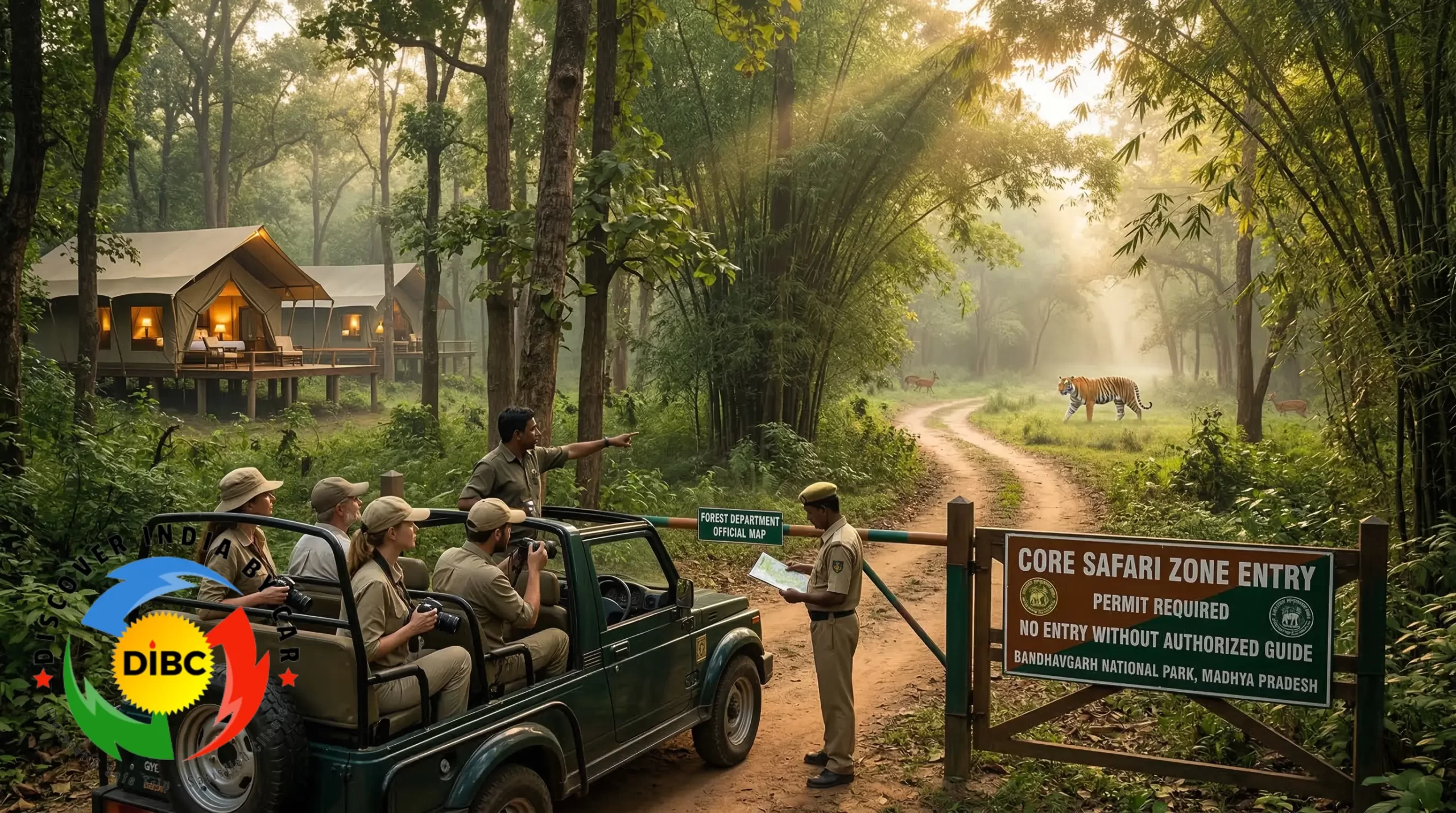
When dealing with Bandhavgarh tiger safari booking and Kanha bookings, early planning is mandatory.
India’s National Parks heavily restrict the number of Jeeps entering the core jungle every day. Slots often sell out months in advance, specifically for prime times (winter/spring holidays).
When you book, you choose between Core zones (the protected heart of the park with maximum prey base) and Buffer zones (fringes of the park overlapping with villages). Core is generally vastly preferred, but don’t count out buffer zones! Often during late evenings or peak season lockouts, night safaris and quiet buffer drives yield brilliant, unexpected tiger movements without crowd pressure.
When to Visit
Timing severely dictates how the Indian jungles behave and heavily impacts sighting metrics.
- October to January (Post Monsoon & Winter): The forests are breathtakingly beautiful, washed clean by rains, extremely lush, with cold, misty mornings. Because the foliage is thick and watering holes are abundant, tracking takes deeper patience, but the photography atmosphere is incredibly magical. (Heavy winter clothes required).
- February to March (Spring): The perfect sweet spot. Temperatures are balmy, foliage is slowly drying to offer greater visibility, and animals begin migrating towards centralised water sources.
- April to June (Indian Summer): Hot, unforgiving, but statistically the easiest time to find a tiger. As the bush thins completely out, major waterholes dry up, and thirsty, heated predators can frequently be observed cooling off in whatever shaded pools remain. (Can easily exceed 40°C / 105°F).
- Monsoon season closures: Core areas of Indian parks are generally closed from July to September.
How to Choose Which Reserve Suits You
To make your decision foolproof:
- Choose Bandhavgarh if: You have a shorter schedule, tiger visibility is an absolute make-or-break, you are okay with occasionally crowding with other vehicles, and you appreciate the blend of ancient temple ruins hidden amidst predator territories.
- Choose Kanha if: You want large-scale, scenic panoramas, desire a well-rounded and deeply quiet ecological tour, want incredible barasingha/dhole views, have slightly longer to spend tracking your tigers patiently, and appreciate a literary “Jungle Book” romance in the forests.
Best Time of Day for Tiger Safaris
Tiger behaviour plays a major role in safari success. In most Indian national parks, safari drives are conducted twice a day: early morning and late afternoon.
Morning Safaris:
Early morning safaris usually begin shortly after sunrise when the jungle is cool and predators are still active from the night. Tigers often move along forest roads, riverbeds, and grasslands before retreating into deeper shade as temperatures rise. The soft golden morning light also makes this the best time for wildlife photography.
Evening Safaris:
Afternoon safaris typically start around 3 PM and continue until sunset. As temperatures begin to drop, animals slowly become active again. Tigers frequently emerge from shaded areas or water bodies during the evening hours, offering excellent chances for sightings.
Understanding these natural movement patterns significantly increases the chances of encountering wildlife during a tiger safari in India.
The Ultimate Solution? Book a Custom Driving Tour!
If you’re travelling all the way from the USA, UK, Europe, or Australia, why choose only one? At Discover India By Car, we arrange magnificent, safe, and wildly comfortable custom road trips that tie both ecosystems together. By travelling with specialised drivers on well-planned multi-destination tours, you bypass logistical booking hurdles. We seamlessly integrate cultural discoveries between parks to deliver a premium and uniquely Indian wildlife safari package tailored flawlessly to you.
Whether your dream involves staring into the fierce, amber eyes of a legendary Tala male in Bandhavgarh or watching mist rise off the endless Kanha meadows behind a rutting stag, your Indian tiger journey is destined to be life-changing.
Final Verdict: Bandhavgarh or Kanha?
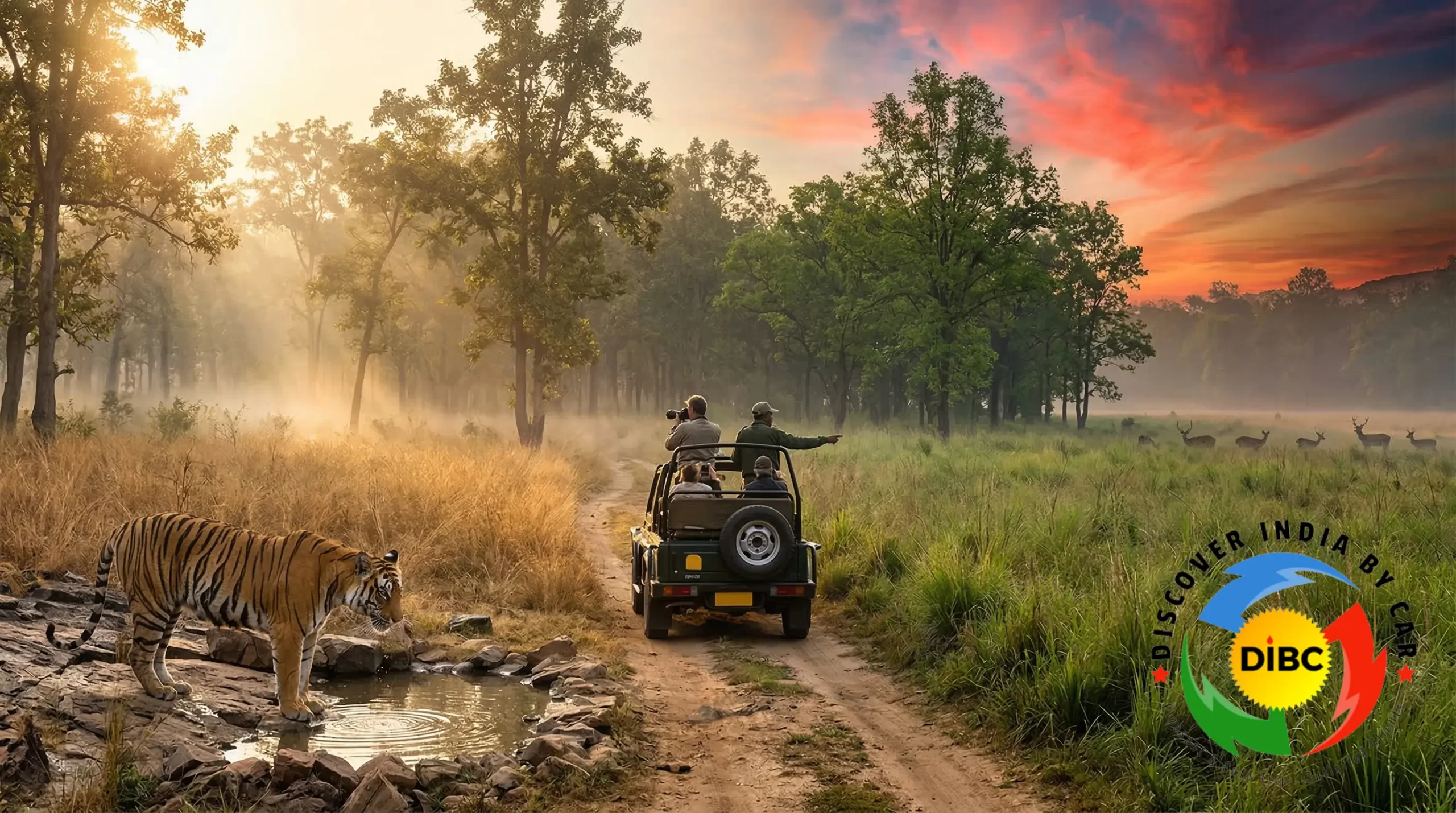
Both Bandhavgarh and Kanha rank among the best tiger safari destinations in India.
If your primary goal is maximizing your chances of seeing a tiger in a short time, Bandhavgarh offers the highest probability thanks to its exceptional tiger density.
However, if you want a larger wilderness experience filled with breathtaking landscapes, incredible biodiversity, and a more tranquil safari environment, Kanha National Park delivers one of the most spectacular wildlife experiences in Asia.
For the ultimate wildlife journey, many travellers combine both parks into a single Central India tiger safari itinerary.
FAQ Section
Q1: How much time is needed for a tiger safari in India?
A: To maximise sighting opportunities and handle travel distances, aim for a minimum of 4 to 6 nights inside national parks. This allows time for roughly 6 to 10 actual gypsy safari drives (safaris operate primarily in early mornings and late afternoons).
Q2: Is a tiger safari safe for international tourists?
A: Yes, absolutely. Safety regulations run by state forestry departments are exceptionally strict. Tourists are confined to secure gypsy vehicles under the supervision of state-registered, heavily trained naturalist guides. Animals do not associate vehicles with a food source.
Q3: Which is closer to an airport, Kanha or Bandhavgarh?
A: Jabalpur is the main commercial gateway connecting central Indian flights (usually routed via Delhi or Mumbai). The drive to either Bandhavgarh or Kanha from Jabalpur airport takes roughly 4 to 4.5 hours.
Q4: Should I only book ‘Core’ zones?
A: Core zones provide higher guaranteed animal movements due to pristine, untouched environments. However, ‘Buffer’ zones occasionally allow night drives, which are forbidden in Core regions, resulting in high potential to witness leopards and even nocturnal tiger behaviours. For a primary trip, secure Core first.
Q5: What should I pack for an MP tiger safari guide trip?
A: The concept of “layers” cannot be stressed enough. If travelling between November and February, mornings inside an open 4×4 are bitterly freezing, often requiring beanies, gloves, and thick jackets. By midday, you will shed layers back to a t-shirt. Avoid bright clothing, opting for tans, khakis, and olive greens.
Q6: What if I only care about seeing a leopard? Which Park is better?
A: While Bandhavgarh has Khitauli zone and Kanha features great leopard ecosystems, serious Indian wildlife photographers typically vote for reserves slightly outside these two (like Jhalana in Rajasthan or Pench/Kabini) specifically for targeted, standalone leopard trips. However, you stand a healthy secondary chance while touring either Bandhavgarh or Kanha.