- Private car and driver in Delhi / India
- +91-8447445445
- info@discoverindiabycar.com sugar.ankit@yahoo.com
 +91-9818434712
- Follow us:


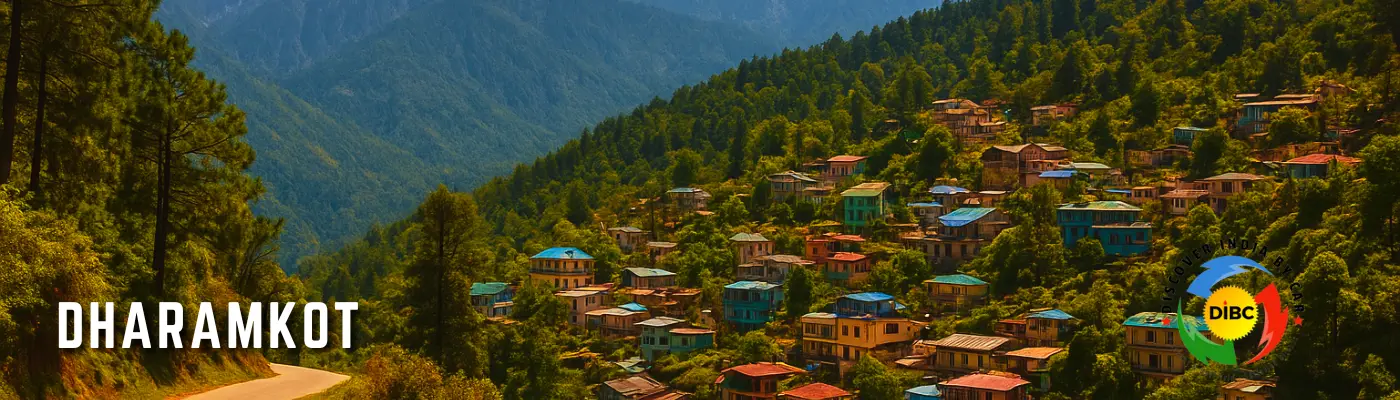
Delhi to Dharamkot Road Trip – A Hidden Gem Awaits
Forget McLeod Ganj, It’s Time We Talked About Dharamkot
Let me tell you a little secret. Just a stone’s throw uphill from the spiritual hustle of McLeod Ganj, there’s a village where time seems to slow down. A place where the only traffic jam you’ll encounter is a herd of lazy mountain goats. That place is Dharamkot. Your journey to this serene paradise isn’t just about reaching a destination; it’s about that incredible feeling of leaving the world behind, one winding mountain road at a time.
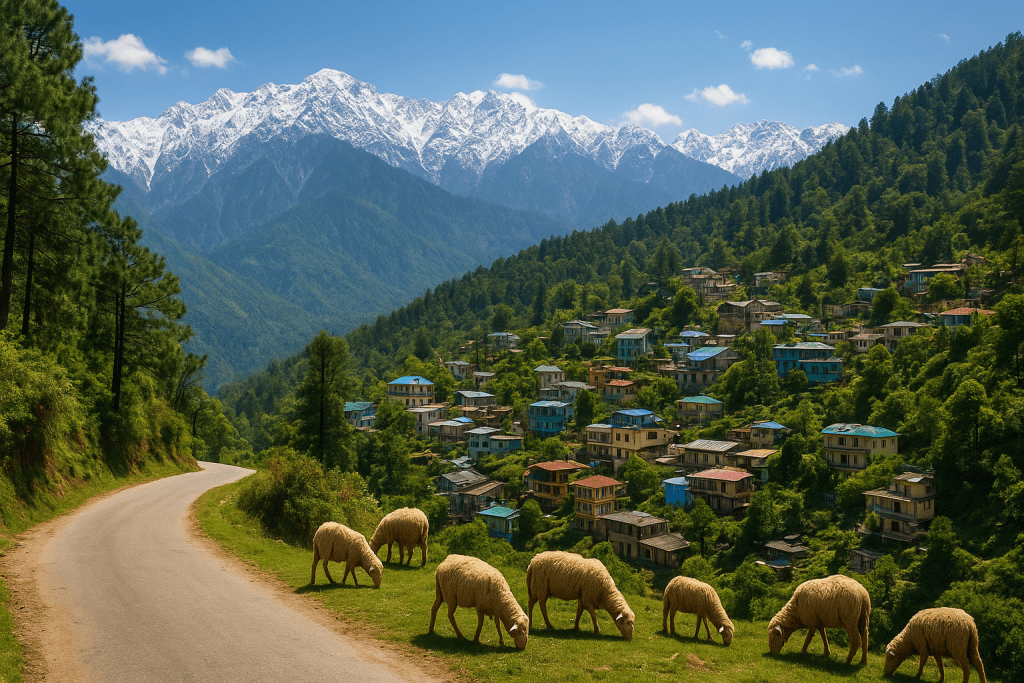
For years, I’ve watched travelers flock to the main hubs, completely unaware of the magic lying just a bit further up the trail. Dharamkot is where those in the know go. It’s a haven carved into the side of a mountain, wrapped in the scent of pine and rhododendron, with the mighty Dhauladhar peaks serving as a constant, breathtaking backdrop.
This isn’t your typical tourist spot. This is a vibe. A community of dreamers, hikers, artists, and yogis. And if you’re exploring India by car, let me tell you, this is one of the most rewarding drives you will ever take. So, buckle up. I’m going to share everything I’ve learned about this incredible village, from the best way to get here to the experiences that will stay with you long after you’ve returned to the plains.
The Real Magic: Why Choose Dharamkot Over a Hundred Other Places?
Let’s be real, Himachal has no shortage of beautiful places. So what makes Dharamkot special?
It’s the quiet. It’s the kind of profound silence you only find in the high mountains, broken only by the chirping of birds or the distant chime of a temple bell. In upper Dharamkot, there are no cars, no roads – just stone pathways weaving through deodar forests. It forces you to slow down. To breathe.
It’s also the gateway. Adventure begins right at its doorstep. Whether you’re a seasoned trekker or a curious wanderer, the paths leading out of this village call to you. This combination of ultimate relaxation and accessible adventure is what makes the list of Dharamkot tourist places so unique.
The Ultimate Road Warrior’s Guide: Nailing the Delhi to Dharamkot Drive
The road trip from Delhi to Dharamkot is a classic. I’ve done it more times than I can count, and it never gets old. It’s a journey that literally transports you from urban chaos to Himalayan serenity.
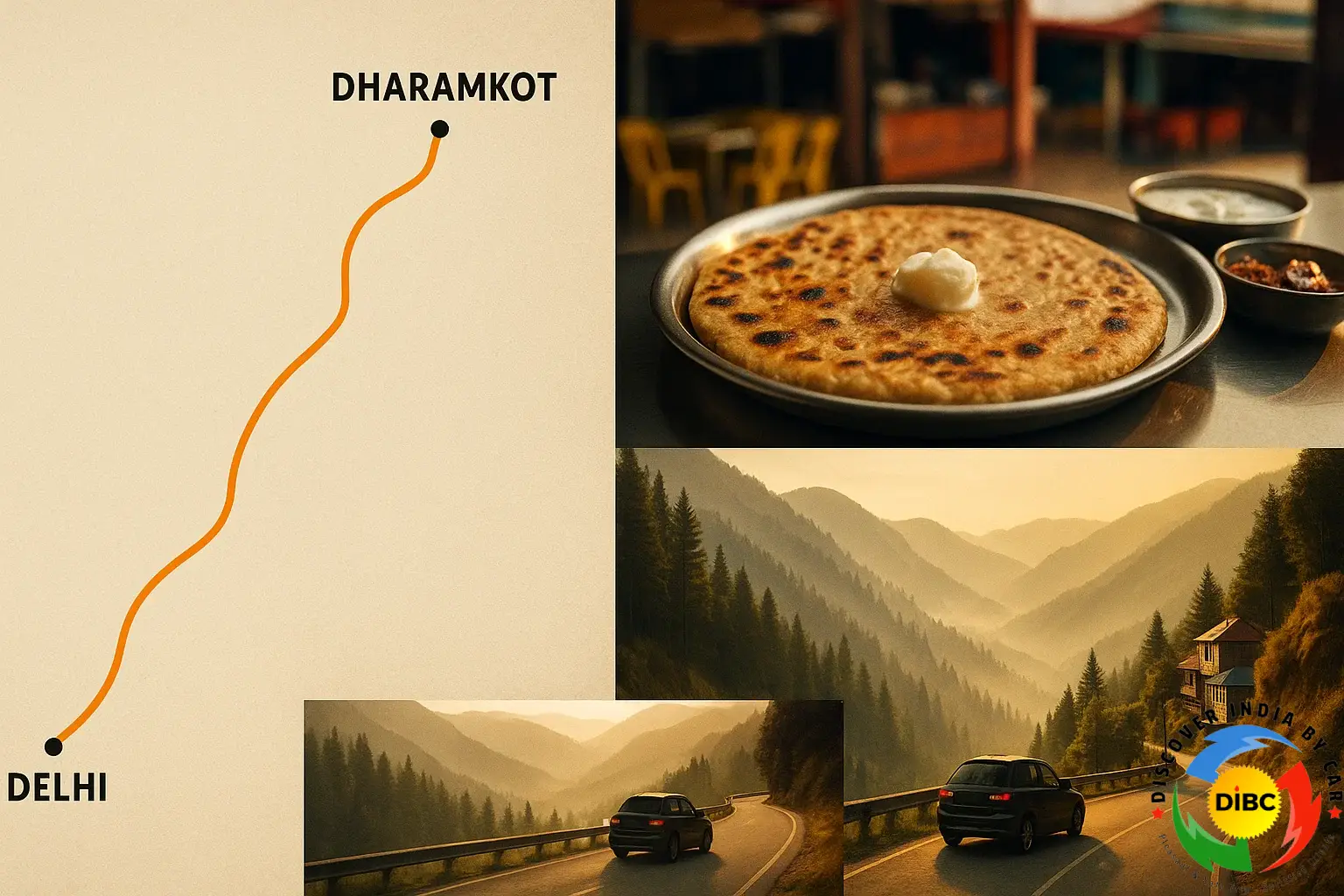
- The Stats: You’re looking at roughly 500 km, which usually takes about 10-12 hours. Don’t rush it.
- My Go-To Route: Delhi -> Panipat -> Ambala -> past Chandigarh (take the bypass) -> Ropar -> Una -> Kangra -> Dharamshala -> McLeod Ganj -> Dharamkot.
A Few Pro-Tips from an Old Hand:
- Start Before Dawn: Seriously. I can’t stress this enough. If you leave Delhi by 4 AM, you’ll be past the city traffic and cruising on NH44 before the sun even knows what’s happening.
- Parathas in Murthal are a Cliché for a Reason: About 90 minutes in, stop at Murthal. Amrik Sukhdev is popular, but honestly, any of the big dhabas will serve you incredible parathas drowning in white butter. It’s the perfect road trip fuel.
- The Hills Begin: The real fun starts after you cross the Punjab plains. The air changes. The landscape shifts. The road begins to wind and climb, and your driving instincts will kick in. Take your time on the final stretch from Kangra to Dharamshala.
- The Last Mile Challenge: The road from McLeod Ganj to Dharamkot is narrow, steep, and not for the faint of heart. If you aren’t a confident mountain driver, it’s often smarter to park in McLeod Ganj and take a local taxi or auto up. The final approach to many guesthouses is on foot anyway!
The Heart of the Matter: The Very Best Things to do in Dharamkot
You’ve made it. You’ve checked into your cozy guesthouse, dropped your bags, and are staring out at the mountains. Now what? The list of Dharamkot places to visit is all about experiences, not just sightseeing.
1- Take on the Triund Trek: It’s a Rite of Passage
You simply cannot talk about Dharamkot without talking about the Triund trek. It’s the reason many people come here in the first place. This 9 km trail isn’t just a walk; it’s a journey that offers some of the most jaw-dropping views in the entire region.
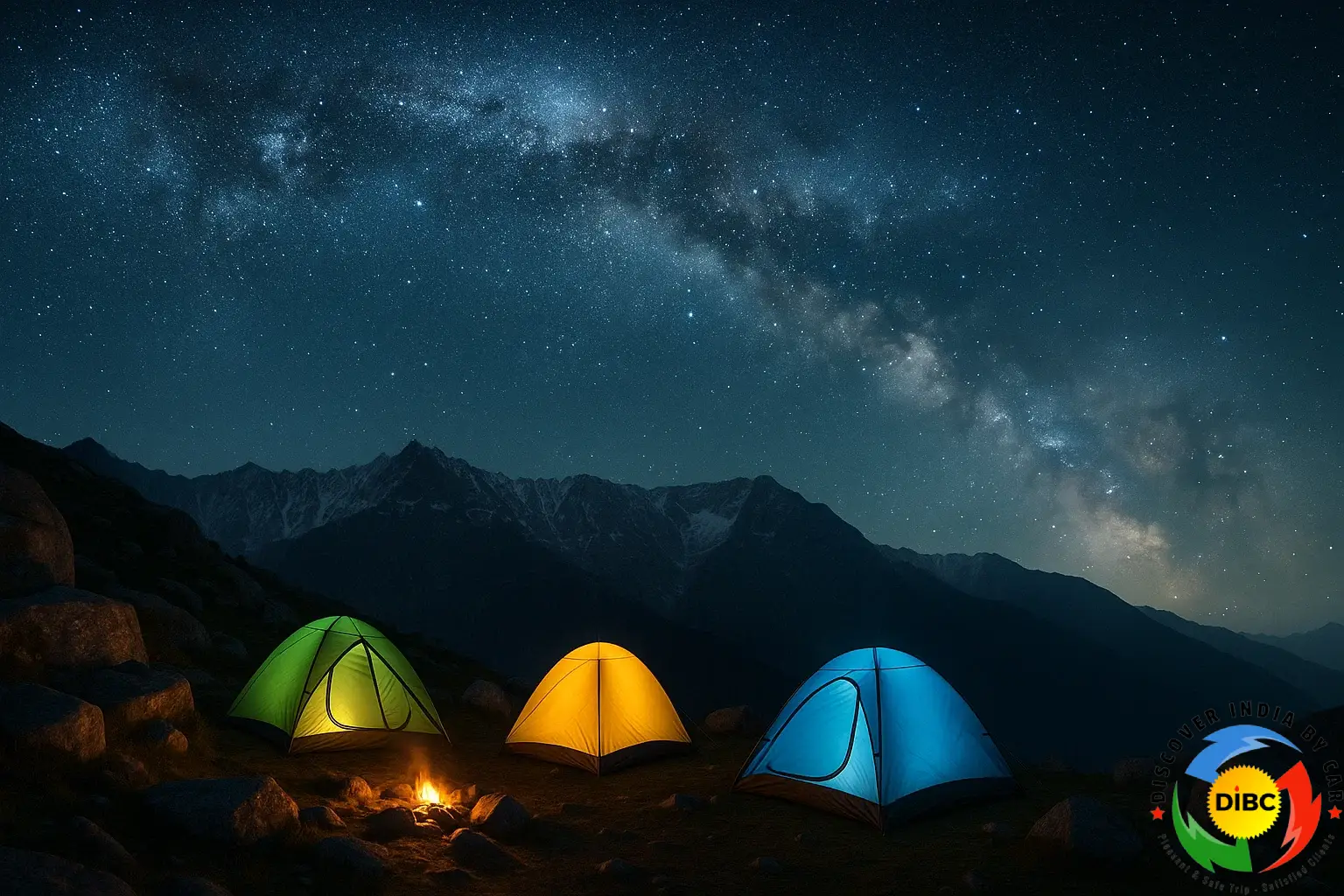
The path starts from Gallu Devi Temple and winds its way through stunning oak and rhododendron forests. The final ascent is tough, they call it the “22 curves,” but the reward is worth every drop of sweat. Standing on that vast green meadow, with the snow-covered Dhauladhar peaks so close you could high-five them, is a feeling I wish I could bottle. Pro-tip: camp overnight. The sunset and star-gazing from Triund are out of this world.
2- Cafe Hopping is a Serious Sport Here
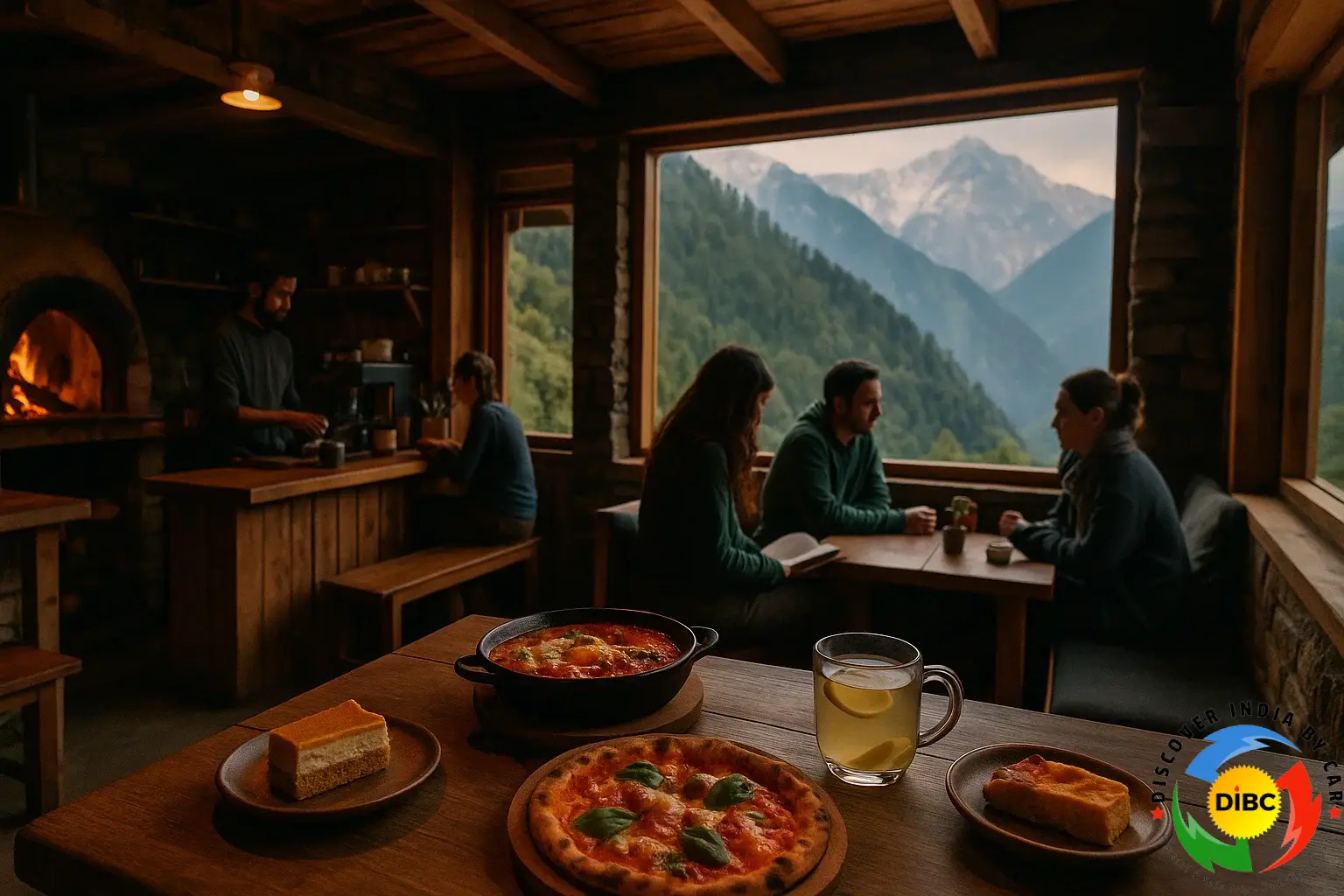
The cafe scene is the soul of Dharamkot. Forget your standard coffee shops. We’re talking about cozy little nooks perched on hillsides, serving everything from Shakshuka and hummus to wood-fired pizzas and Bhagsu cake. It’s one of the best things to do in Dharamkot.
- Trek and Dine: This place is an institution. Go for the incredible views from the terrace and stay for their “Hello to the Queen” dessert.
- Morgan’s Place: It feels like stepping into a hobbit’s home. The quirky decor and incredible pizzas make it a perfect spot to just chill for hours.
- Cool Talk Cafe: A simple, unassuming spot run by the loveliest people. Their ginger-lemon-honey tea has probably cured more ailments than any medicine.
3- Find Some Headspace at Tushita Meditation Centre
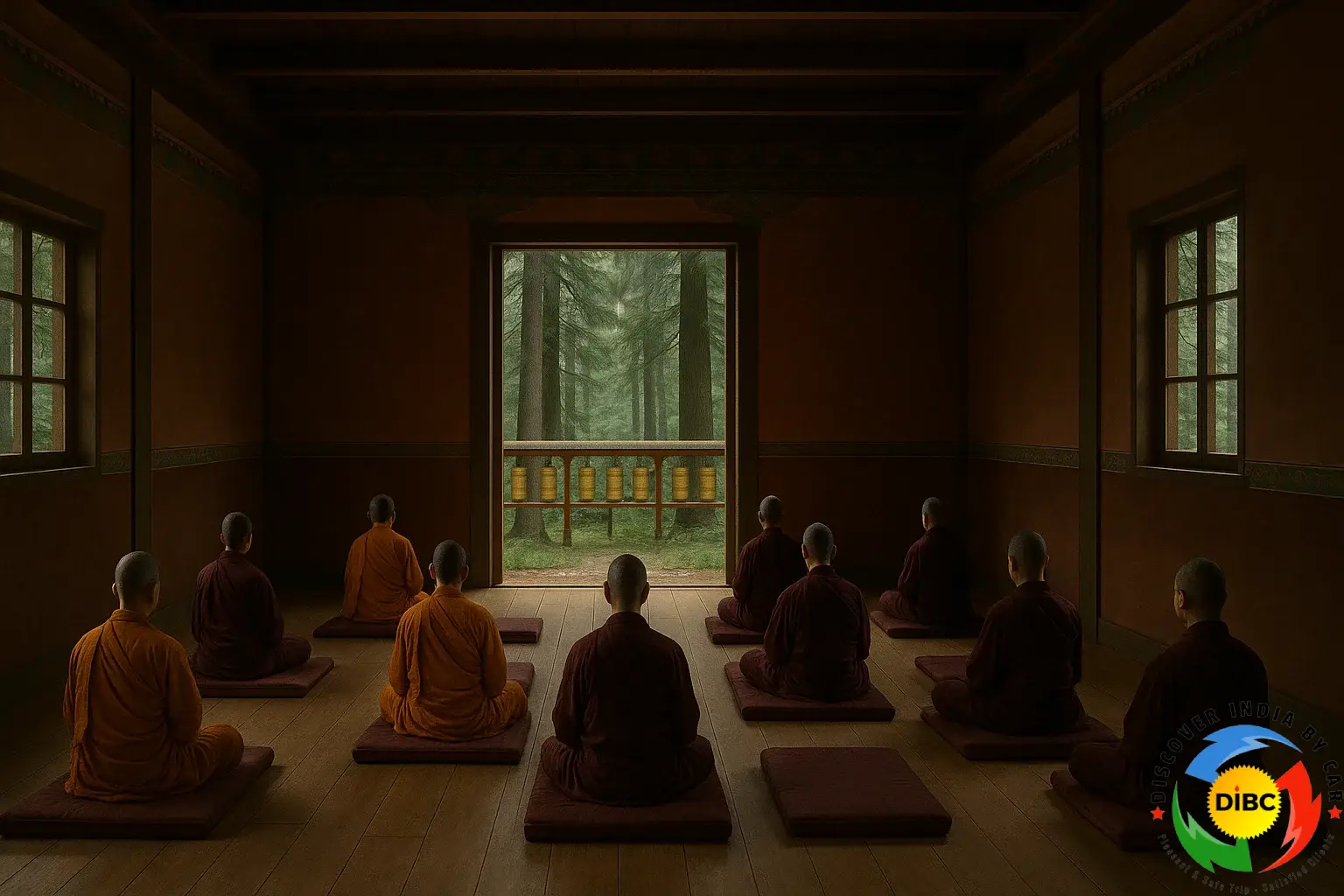
If the mountains are calling your spirit, listen. Tushita is a renowned centre for studying and practicing Tibetan Buddhism. Even if you’re not up for a 10-day silent retreat, they often have daily drop-in sessions for guided meditation. It’s an amazing opportunity to sit in silence and truly be present.
4- Take a Walk, Not a Taxi, to Bhagsu Nag
The walk from Dharamkot down to the Bhagsunag temple and waterfall is beautiful. Yes, Bhagsu itself can get crowded, but the 2 km downhill walk is scenic and peaceful. You’ll pass by smaller cafes and shops that you’d miss in a cab. The ancient temple has a unique energy, and while the main waterfall gets packed, it’s still a powerful sight after a good monsoon.
5- Go Beyond Triund: The Trail to Gallu Waterfall
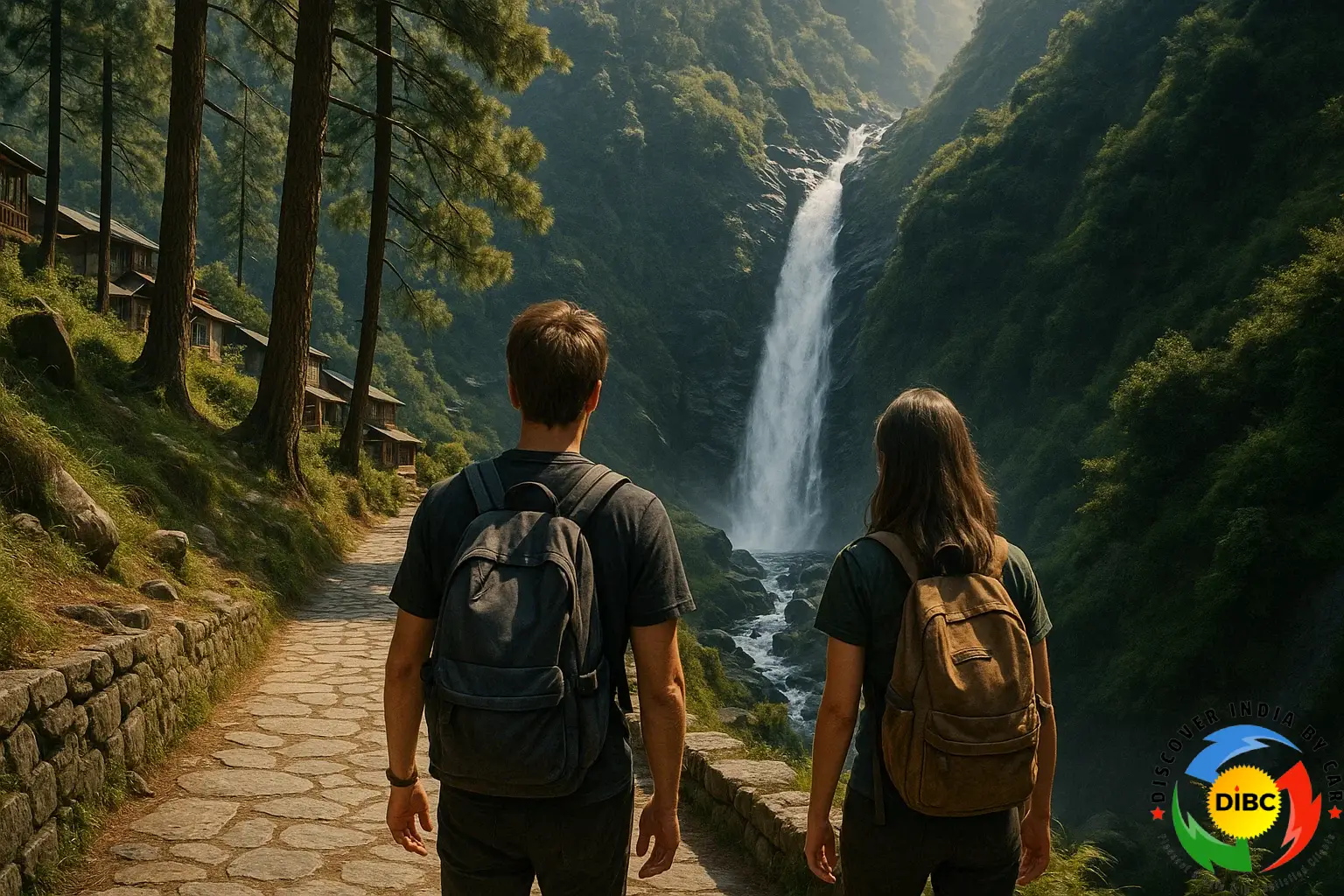
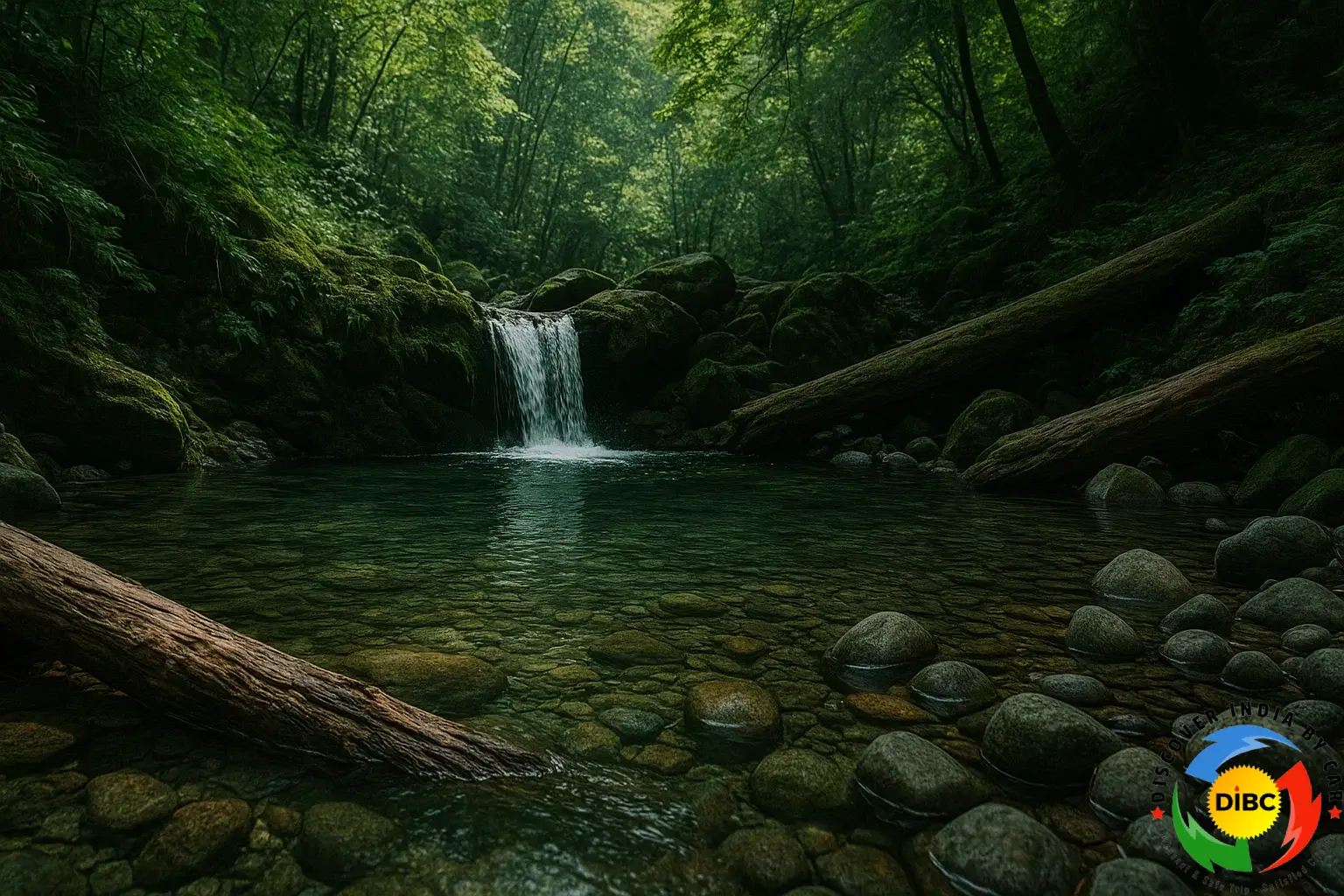
Everyone heads to the Triund trail, but ask the locals about the path to Gallu waterfall. Starting near the Gallu Devi Temple, it’s a much shorter and quieter walk leading to a secluded waterfall. It’s a perfect little adventure for an afternoon when you don’t want to commit to a full-day trek.
Conclusion: Dharamkot Isn’t Just a Place, It’s a Feeling You Take Home
Dharamkot is one of those rare places that gets under your skin. It’s more than just a pin on a map. It’s the taste of that first cup of masala chai in the morning as you watch the sun hit the peaks. It’s the satisfaction in your tired legs after a long trek. It’s the connections you make with fellow travelers over a plate of momos.
The journey from Delhi to Dharamkot is the perfect start to this experience, a gradual shedding of city life for mountain calm. This village is a reminder that sometimes, the best destinations are the ones that don’t shout for your attention but wait patiently for you to discover them. So, go. Find your quiet corner, read a book, hike a trail, and let the magic of Dharamkot work on you. Trust me, you’ll come back changed.
Frequently Asked Questions (FAQs)
Q1: How to reach Dharamkot from Delhi?
A1: The most rewarding way is to drive. It’s a 10-12 hour, 500 km journey. Take the NH44 towards Chandigarh, then head for Una, Kangra, and finally Dharamshala. From Dharamshala, it’s a steep but scenic drive up to Dharamkot. If you’re not driving, take an overnight Volvo bus to McLeod Ganj and then a quick 2 km taxi or autorickshaw ride up.
Q2: Why is Dharamkot famous?
A2: Ah, the big question! Dharamkot is famous for a vibe. Officially, it’s known as the main base for the Triund trek. Unofficially, it’s famous for being the complete opposite of a commercial hill station. It’s a backpacker’s paradise, a yoga hub, and is often called ‘Little Tel Aviv’ for its fantastic Israeli food and laid-back traveler scene.
Q3: Is Dharamkot worth visiting?
A3: One hundred percent, yes! If you’re looking to escape the crowds and find genuine peace, Dharamkot is your place. It’s for people who prefer hiking trails over market streets and quiet cafes over noisy bars. If that sounds like you, then you will absolutely love it here.
Q4: What is the best time to visit Dharamkot?
A4: For perfect, clear weather and trekking, aim for March to June or September to early December. The spring and autumn months offer the best views and most pleasant temperatures. I’d avoid the peak monsoon months of July and August as the trails can be slippery and dangerous. Winter (late Dec-Feb) is stunning if you love snow, but be prepared for freezing cold.
Q5: What is the Speciality of Dharamkot?
A5: The true speciality of Dharamkot is its atmosphere of “conscious chilling.” It’s a place where you can be active—hiking, doing yoga—or do absolutely nothing at all, and both feel equally productive. Its car-free upper lanes, incredible international food scene, and the pervasive spiritual-yet-bohemian energy make it a truly one-of-a-kind Himalayan experience.