- Private car and driver in Delhi / India
- +91-8447445445
- info@discoverindiabycar.com sugar.ankit@yahoo.com
 +91-9818434712
- Follow us:



Is Varanasi Safe? 2026 Guide for Solo & Western Travelers
Is Varanasi Safe for Western Tourists? A Brutally Honest 2026 Guide
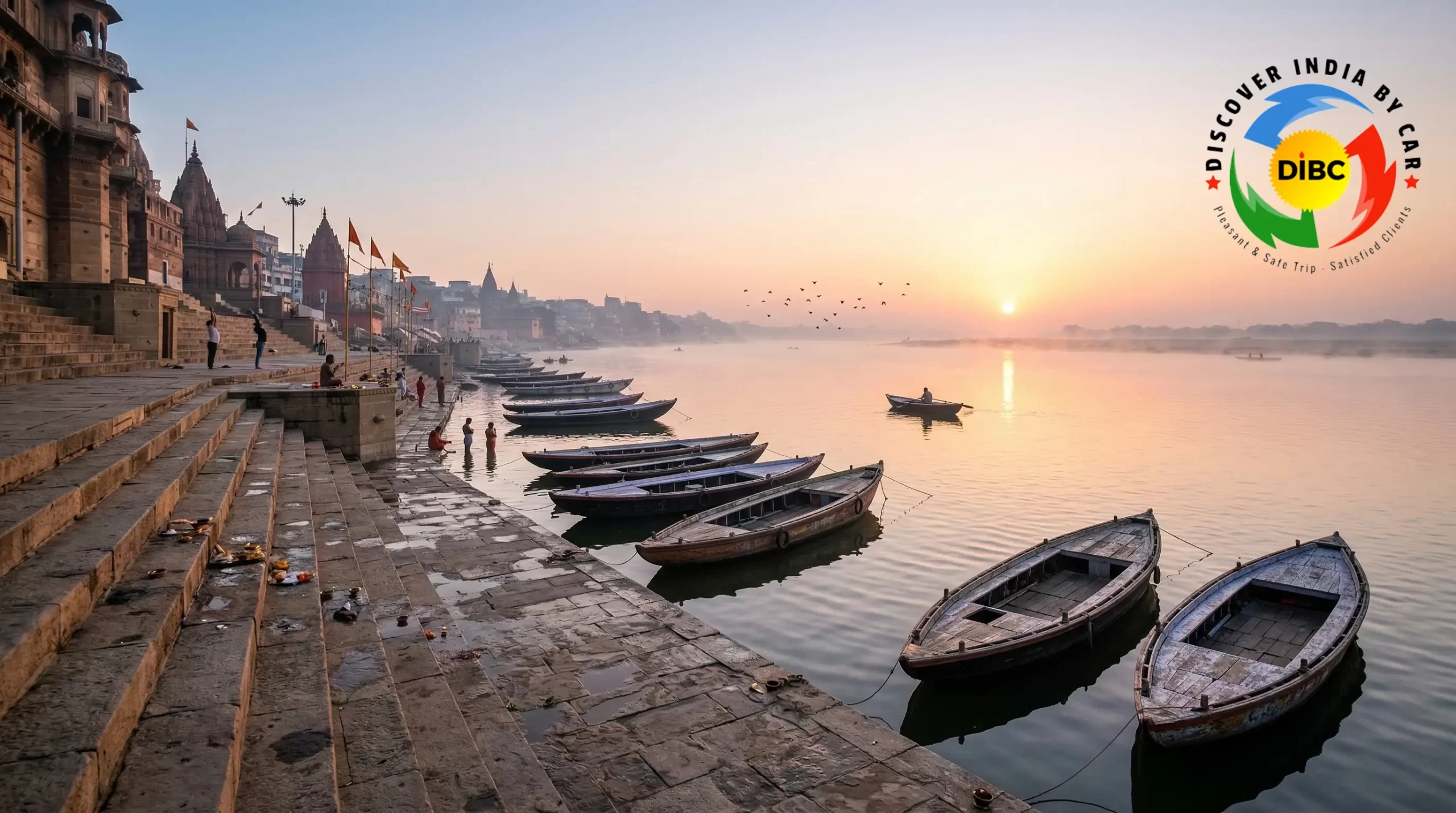
Yes, Varanasi is generally safe for Western tourists who practice high situational awareness. To stay safe, dress conservatively, secure valuables tightly, and flatly ignore persistent street touts. Petty theft and scams are common, so staying alert is essential.
Quick Survival Guide for Westerners in Varanasi
- Physical Safety: Violent crime against tourists is extremely rare. The real challenges are sensory overload, aggressive touts, and scams.
- Health First: Never drink tap water, avoid raw street food, and absolutely do not swim in the Ganges.
- Dress Code: Strict modesty is required. Keep shoulders, cleavage, and knees covered to avoid heavy unwanted attention.
- The Golden Rule: Ignore persistent guides, establish firm physical boundaries, and don’t be afraid to yell or create “public friction” if harassed.
Varanasi hits you like a freight train. It just does.
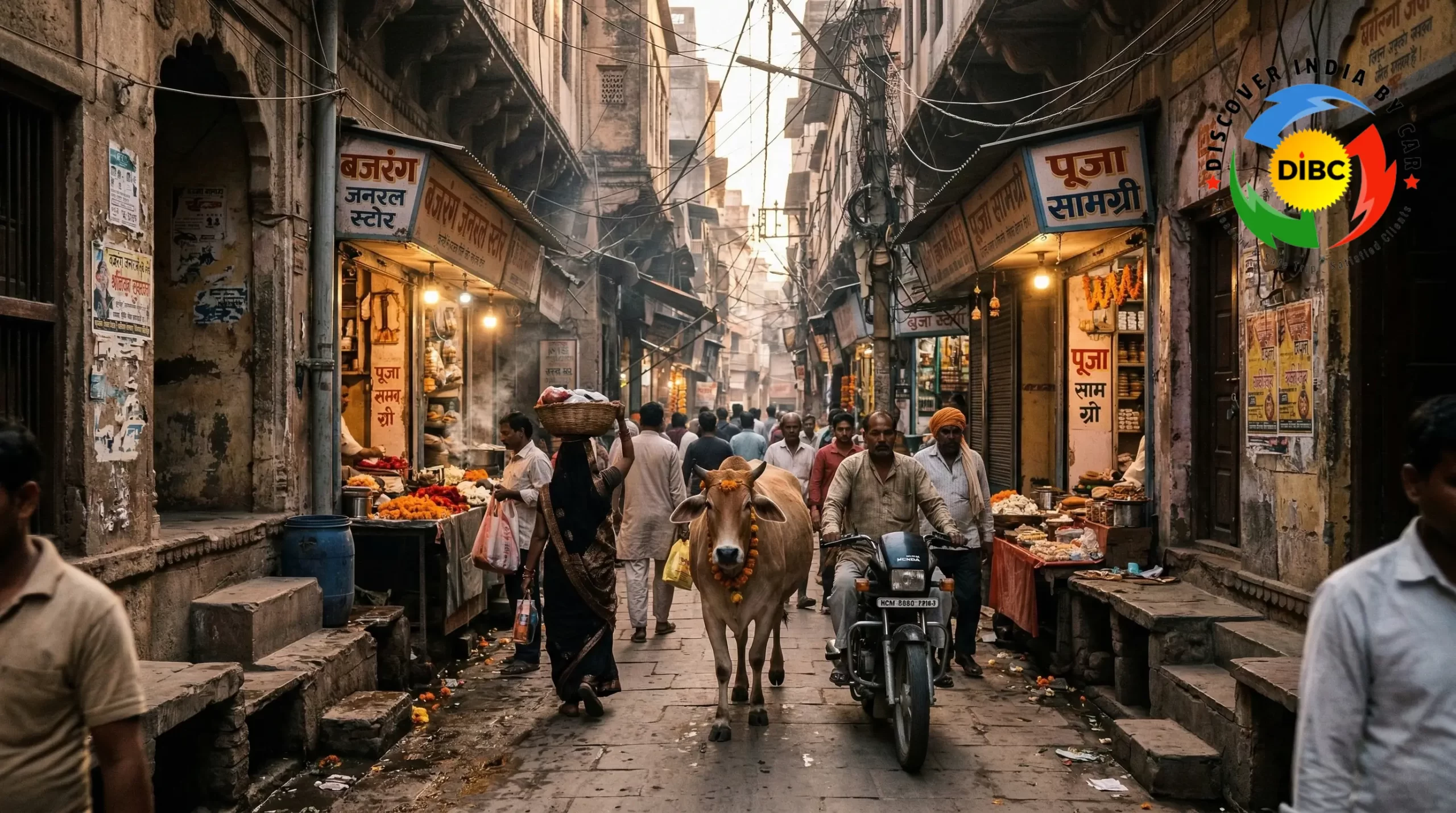
You step off the train or out of the airport, and the chaos immediately swarms you. Motorbikes rev within inches of your knees. Incense cuts through the smell of open drains. Feral street dogs fight for territory outside sacred temples. And just down the stone stairs, families burn their deceased loved ones on the open shores of the Ganges.
Western travellers come seeking peace, enlightenment, and postcard-perfect sunrises. Many end up paralysed by sensory overload within an hour.
This is not a highly polished spiritual influencer blog post. I will give it to you straight. You want a realistic Varanasi honest travel review. We will tear down exactly what you need to survive, thrive, and stay entirely secure in India’s holiest city.
The Ground Truth: Is Varanasi Safe for Western Tourists in 2026? Rest assured, with proper precautions, you can feel confident exploring this city.
The quick answer is yes. Physically, the city is quite safe. Mugging an American or British tourist requires a level of street violence that simply does not exist heavily in this part of Uttar Pradesh.
Mentally? That heavily depends on your personal boundary-setting skills.
India’s spiritual heart does not prioritise your personal bubble. Shopkeepers will grab your arm, and guides may follow you, so understanding this helps you stay respectful and composed.
Expert Pro-Tip: Forget Google Maps in the old city’s galis (alleys). GPS signals bounce erratically off the dense, towering stone buildings. You will get lost. Treat getting lost as part of the fun during daylight hours. But know this—the River Ganges is always positioned to the East. Walk downhill toward the water to reset your bearings.
The Hard Facts: Is Varanasi Safe for Solo Female Travelers?
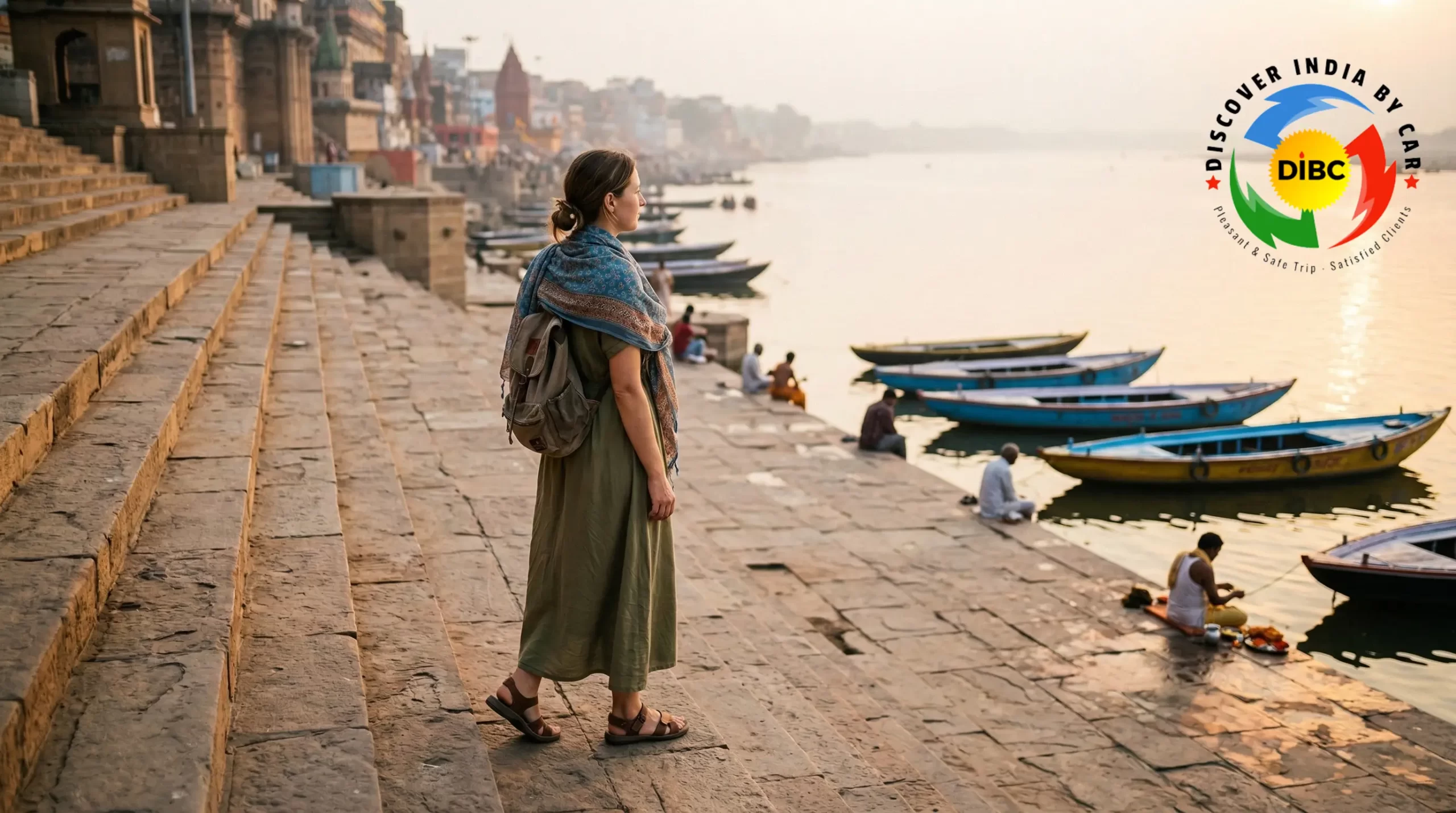
Female travel safety here demands constant vigilance. Recognising this helps you stay alert and feel more in control during your visit.
You will attract stares—intensely deep, unrelenting staring.
This behaviour stems heavily from cultural curiosity combined with decades of massive Hollywood and Bollywood stereotypes about Western women. It feels deeply invasive. It will frustrate you. Understand that, nine times out of ten, staring poses no physical threat.
If you want the most vital safety tips for Western women in Varanasi, memorise these constraints:
- The Golden Rule of Clothing: Wear loose garments. Tight yoga pants attract immense unwanted attention. Shoulders and knees must remain totally covered at all times. A lightweight dupatta (scarf) draped over your chest solves a massive amount of hassle.
- No Unnecessary Smiling: In Western cultures, we smile nervously to diffuse tension politely. In North India, a young man heavily interprets a soft, polite smile from a female tourist as flirtation or an invitation to converse. Perfect your resting irritated face.
- Create Public Friction: If someone touches you or invades your space aggressively, yell. Do it loudly. Public shame acts as heavy kryptonite for bad actors in India. Say “Peechhe hato!” (Step back!) aggressively. Locals generally despise harassers and will rapidly side with a shouting foreign woman.
Exposing the Hustle: Varanasi Scams Tourists Should Know
If there is one thing that ruins a first-time in Varanasi guide experience, it’s realising you just got ripped off by a “holy man.” Avoid generic mistakes. Memorise this specific intelligence.
Scam Name | The Street-Level Mechanics | Your Counter-Move |
The Burning Wood Hustle | An English speaker near Manikarnika Ghat claims to run a hospice, aggressively pressuring you to donate $100+ for ‘holy wood.’ | Walk Away. Legitimate charities do not aggressively beg Western tourists in alleys. Ignore and keep moving. |
Fake Sadhus | Men painted heavily in vibrant orange and ash step into your camera’s path, then demand a heavy “donation” the second you click. | Keep your lens capped. If you genuinely want a portrait, respectfully negotiate a hard 50 or 100 Rupee fee before lifting your camera. |
The Boat Ride Mafia | Street touts promise a “private sunrise rowboat” for thousands of Rupees, but cram you onto a loud, motorized barge with 40 tourists. | Go straight to Assi Ghat. Speak face-to-face with an actual boatman. Expect to pay 500-800 INR/hour max. Pay only when the ride concludes. |
Handling the Chaos: What to Avoid in Varanasi
Water dictates life and death in India. When figuring out how to avoid getting sick in Varanasi, the rules are absolute: never let tap water enter your mouth. Brush your teeth strictly with bottled water and avoid sliced street fruit sitting in the open sun. While the Ganges holds supreme spiritual power, under zero circumstances should you swim in it. According to global health standards, the coliform bacteria counts in the water often exceed recognized safe limits. (Hyperlink “global health standards” to a CDC or WHO page on water safety). A tiny splash in the mouth can lead to severe bacterial infections or “Delhi Belly,” ruining your North India travel itinerary.
Avoid engaging in long conversations with aggressively friendly English-speaking youth on the ghats. Ninety-nine per cent of the time, this innocent “practice my English” chat pivots to a desperate plea to visit their uncle’s heavily overpriced silk weaving shop.
Death as a Spectacle
Photography at the cremation ghats (Manikarnika and Harishchandra) triggers instant, terrifying conflict. Do not take photos of the burning pyres. Locals are grieving raw loss. Pulling out an iPhone to capture human ashes for Instagram demonstrates a colossal lack of Varanasi cultural etiquette. The enforcers managing the fires will rightfully scream at you, physically seize your phone, and demand steep fines to get it back. Put your electronics away completely.
Ganga Aarti Safety for Tourists and Moving Through the Crowds
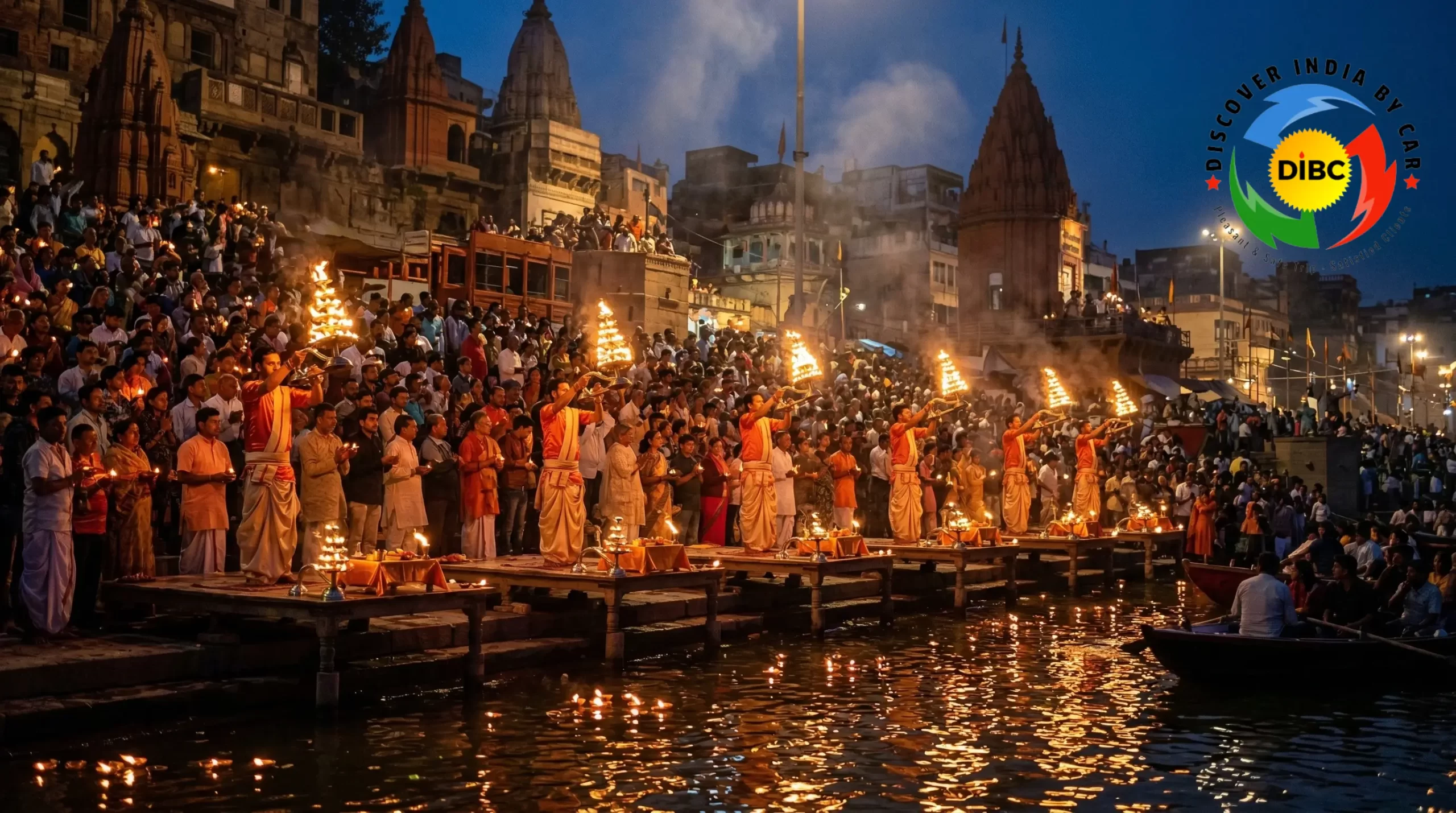
Every evening, the Dashashwamedh Ghat erupts into the magnificent Ganga Aarti ceremony. It is spellbinding. Thousands of bells ring simultaneously, fire blasts into the night sky, and priests perform heavily synchronised choreography.
It is also an absolute goldmine for opportunistic pickpockets.
When it comes to Ganga Aarti safety for tourists, preparation prevents disaster. Keep wallets firmly buried inside zipped, hidden layers. Never carry a smartphone dangling visibly from your back pocket in a 10,000-person crush.
Expert Pro-Tip: The street-level crowd can trigger severe claustrophobia for some Westerners. Avoid the sweaty mosh pit completely. Hire a boatman to park right offshore during the ceremony, or walk upstairs to the roof of a nearby guest house. You gain brilliant, completely unobstructed views without being continuously pushed.
The Nightfall Rule: Is Varanasi Safe at Night?
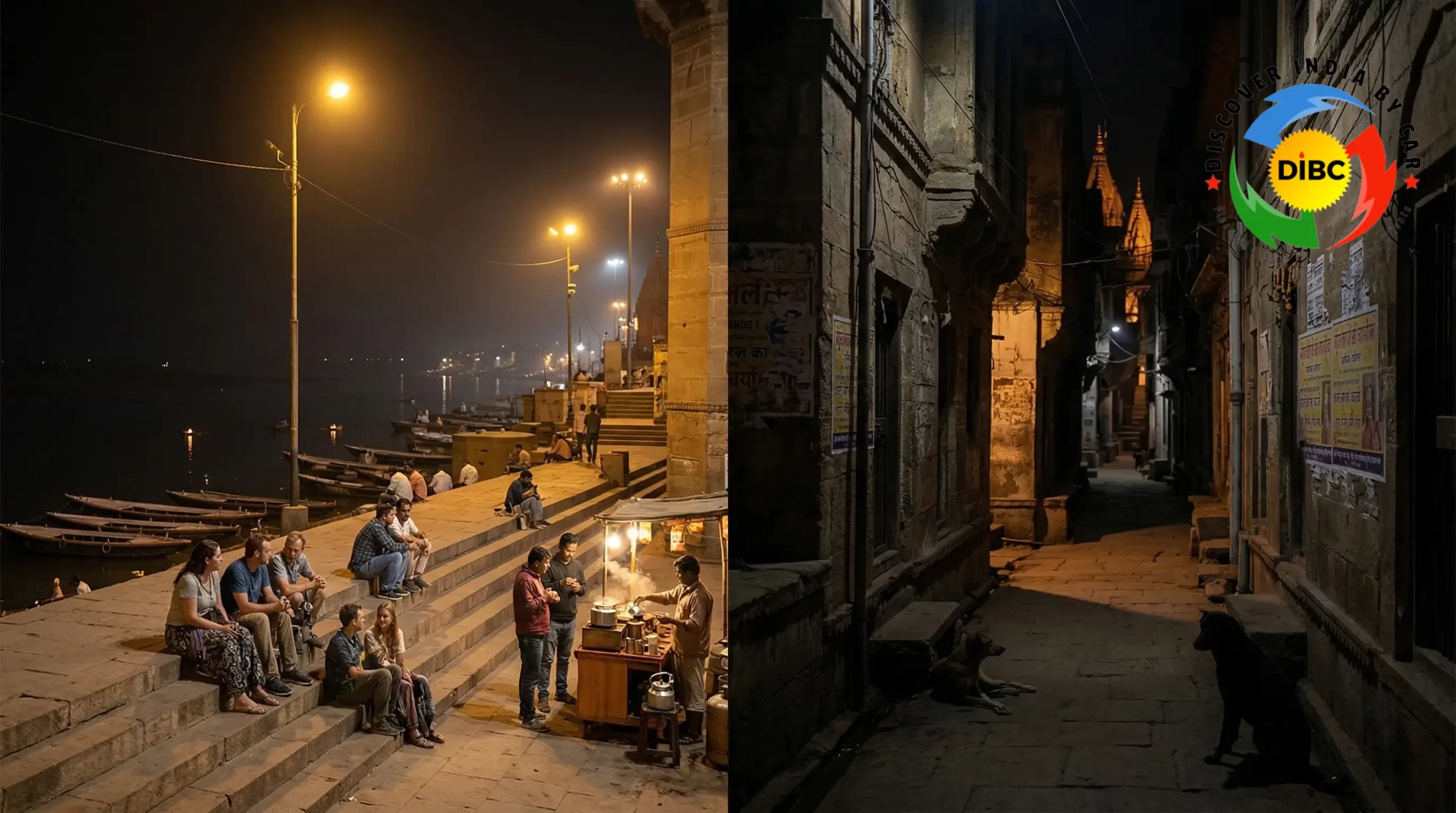
Let’s tackle reality head-on. Is Varanasi safe at night? Partially.
The main ghats bordering the water remain surprisingly vibrant and well-lit until roughly 10 PM. You will find families, children flying kites, and vendors serving piping hot chai. This strip feels perfectly safe.
Step one block into the old city alleys after dark, however, and the vibe turns instantly sketchy. Lighting disappears. And worse? The feral street dogs completely take over. Dog pack mentalities trigger aggression at night. Fights erupt brutally over stray food. A rabid dog bite destroys your trip instantly. Never wander through the dark alleys alone, and always carry a high-beam flashlight to scare off aggressive stray dogs.
A Fast-Strike Arsenal: Varanasi Travel Safety Tips
Need the quickest, hardest-hitting checklist before landing? Use these raw safety tips in Varanasi for foreign mechanics:
- Download an eSIM at home. Walking out of the airport holding a live, internet-connected phone gives you immediate leverage to track your taxi via Uber or Ola.
- Carry extremely small bills. Nobody on the street has change for a 500 Rupee note. You need 10-, 20-, and 50-note bills for street transactions.
- Step completely over cows and dogs. Do not nudge them. Do not push them. Holy cows aggressively claim right-of-way, and startling a 1,200-pound bull with massive horns results in fatal goring yearly in India.
- Keep a dummy wallet. Stock an easily accessible decoy wallet with expired credit cards and maybe 300 Rupees. In the massively unlikely event you face real trouble, toss it and sprint.
Final Thoughts on India’s Holy City
Varanasi will fundamentally test your resilience. It forces you to look death directly in the eye while smelling marigolds and exhaust fumes at the same time. There is simply no gentle way to digest Kashi. You must throw yourself straight into the heavy currents of its culture.
By rejecting fear and enforcing unapologetic boundaries, the noise starts to fade into a powerful rhythm. Ignore the fake guides. Skip the aggressively loud bazaars. Just find a quiet patch of stone near the river just before sunrise. When that low mist sits flat on the ancient waters, and you finally drink in a massive cup of fiery ginger chai in total peace—that exact moment easily makes every exhausting piece of a Varanasi travel guide for Americans totally worth the battle. Treat the city with a firm handshake and deep respect, and it will reward you in spades.
High-Utility Varanasi Travel FAQs
Q1. Do tourists usually get sick in Varanasi?
A: Yes, frequently. “Delhi Belly” thrives in heavily populated pilgrimage hubs. Visitors contract food poisoning primarily from raw foods, exposed salads, unsealed water, and contaminated ice cubes. Stick strictly to steaming-hot, freshly cooked street food or high-rated indoor restaurants catering heavily to backpackers’ digestive limits.
Q2. What is the correct dress code for Varanasi?
A: Extreme modesty serves you well. Men should wear light, loose trousers instead of high-cut gym shorts. Women must cover their shoulders, chests, and knees. Pack highly breathable linens and loose cotton maxis. Walking into local temples with high levels of skin results in heavy rejection at the doors.
Q3. How many days are enough for Varanasi?
A: Three full days strike the exact perfect balance. This timeline allows one morning for sunrise boats, one evening for the sprawling Aarti ceremony, one heavy walking day touring the chaotic markets, and just enough downtime to visit Sarnath. Staying past three days often severely tips the scale toward extreme mental fatigue for newcomers.
Q4. Is it totally forbidden to drink alcohol in Varanasi?
A: Varanasi runs deeply orthodox. You absolutely will not find beer proudly advertised on public signs. Finding a liquor store locally proves difficult, and walking intoxicated near any Ghat ranks highly illegal and instantly draws furious anger from conservative locals. A very select few rooftop tourist guesthouses secretly sell beer to foreigners behind closed doors. It’s safer simply to take a few days entirely off drinking.
Q5. What is the best way to get from the airport to the city centre?
A: Pre-book a trusted ride before your plane hits the tarmac. Varanasi’s Lal Bahadur Shastri International Airport sits a brutal 25 kilometres (roughly 45 minutes to 1.5 hours depending on gridlock) outside the main city. Taxis line up physically offering flat-rate haggles, but simply booking via the Ola or Uber app creates a traceable, safe ride. Expect to pay roughly 800-1000 Rupees. Most cars cannot penetrate the deepest alleys of the old city—you will likely be dropped at a main roundabout like Godowlia Chowk, forcing you to finish the last mile hauling your bags by foot or pedal-rickshaw.
Have you visited Varanasi, or are you planning a trip soon?
What is your biggest concern about traveling to India’s holiest city? Drop your questions in the comments below, and I will give you straight, unfiltered advice to keep you safe!