- Private car and driver in Delhi / India
- +91-8447445445
- info@discoverindiabycar.com sugar.ankit@yahoo.com
 +91-9818434712
- Follow us:



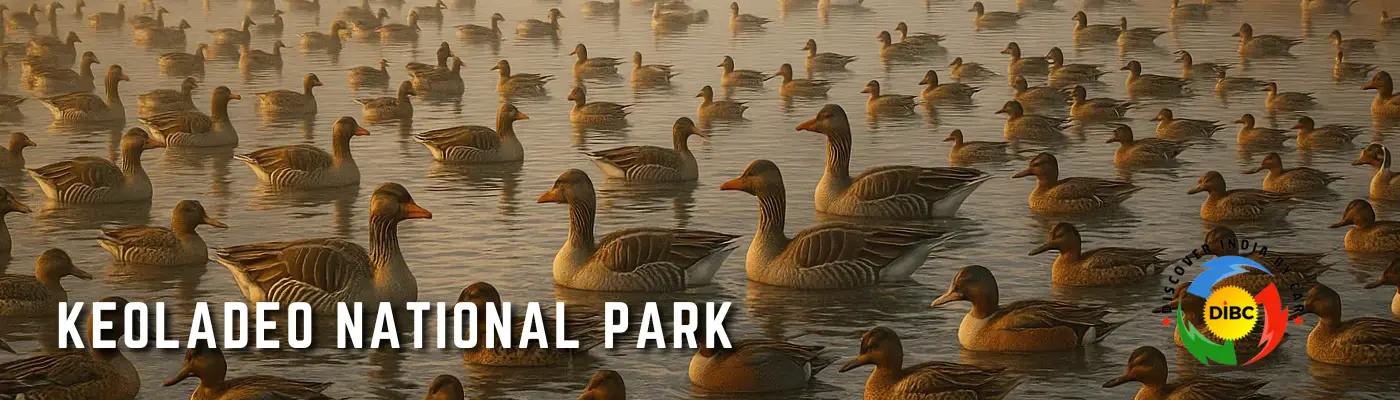
Keoladeo National Park: My Insider’s Guide to India’s Soul-Stirring Bird Paradise
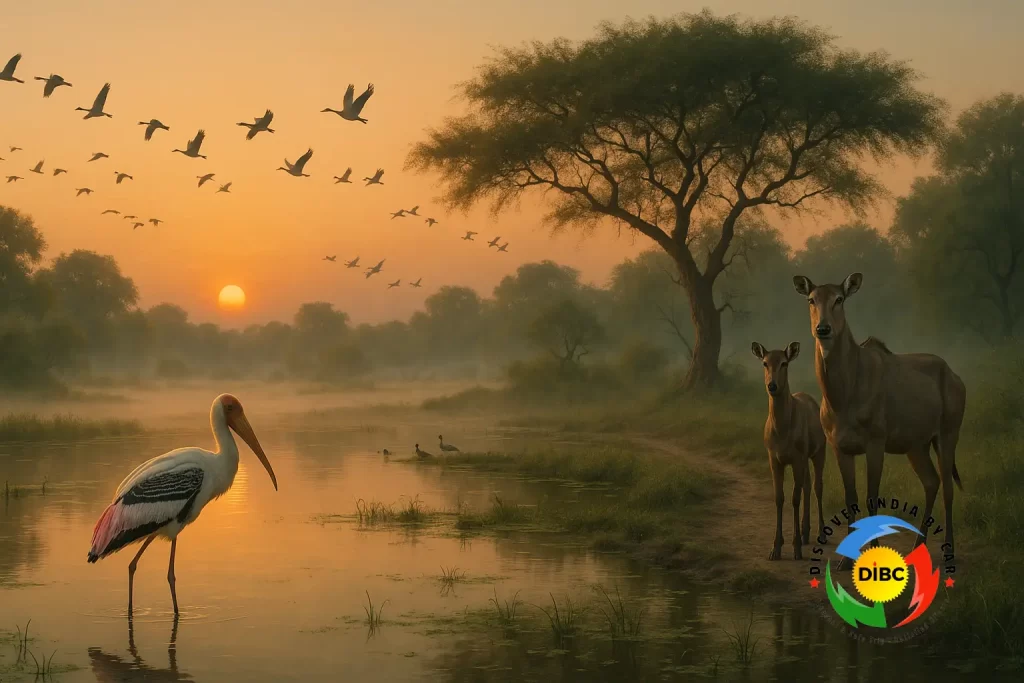
My Journey to Keoladeo National Park: More Than Just a Birdwatcher’s Dream
Let me tell you about a place where the silence is a language and the air hums with the beat of a thousand wings. A place where the morning mist rises from the water like a phantom, revealing a world painted in the brilliant colours of storks, cranes, and kingfishers. This isn’t just a travel destination I’m describing. This is an experience that seeps into your soul. This is Keoladeo National Park.
For years, I’d heard the stories. Friends, photographers, and grizzled old travelers would speak of the Bharatpur Bird Sanctuary in hushed, reverent tones. They called it an avian paradise, a living cathedral of nature. But honestly? You can’t truly understand it until you’re there, standing on a narrow path at dawn, with the cacophony of life erupting all around you.
In this guide, I’m not just going to give you facts and figures. I want to take you on a journey. We’ll uncover why this park is so much more than its name suggests. We’ll walk through its dramatic history, figure out exactly what Keoladeo National Park is famous for, and I’ll even share my personal secrets for making your visit, from getting your Keoladeo National Park ticket to choosing your path, an adventure you’ll never forget. Ready? Let’s go.
From Royal Bloodsport to a Haven of Hope: The Park’s Two Lives
Every corner of Keoladeo Ghana National Park whispers a story. But its most powerful tale is one of incredible transformation. This serene sanctuary once had a much, much louder past.
Imagine this: It’s the early 20th century. The Maharajas of Bharatpur, wanting to create an unparalleled duck-shooting reserve for their British colonial guests, engineered this entire wetland. They built dams and dykes, channeling water to create a perfect hunting ground. It was a masterpiece of man-made engineering, but for a brutal purpose. Stone plaques still stand near the Keoladeo temple, stoically listing the “bags” of thousands of birds shot in a single day by viceroys and princes. It’s a chilling, yet essential, part of the park’s story.
But then, a shift. A global consciousness was awakening. The gunshots faded, replaced by the click of camera shutters and the quiet scribbling of naturalists in their notebooks. In 1971, it was recognized as a Ramsar site, a wetland of global importance. By 1982, the hunting stopped for good as it was declared a national park. The final jewel in its crown came in 1985 when UNESCO declared it a World Heritage Site. The very place designed for death had become one of the world’s most important sanctuaries for life. When you walk its paths today, you’re treading on ground that has witnessed both the worst of human vanity and the best of our capacity for preservation.
So, What’s the Big Deal? Unpacking What Keoladeo National Park is Famous For
If you ask anyone, “Keoladeo National Park is famous for… birds,” they’d be right. But that’s like saying the ocean is famous for water. It’s the sheer, overwhelming, mind-boggling scale of it all that leaves you breathless.
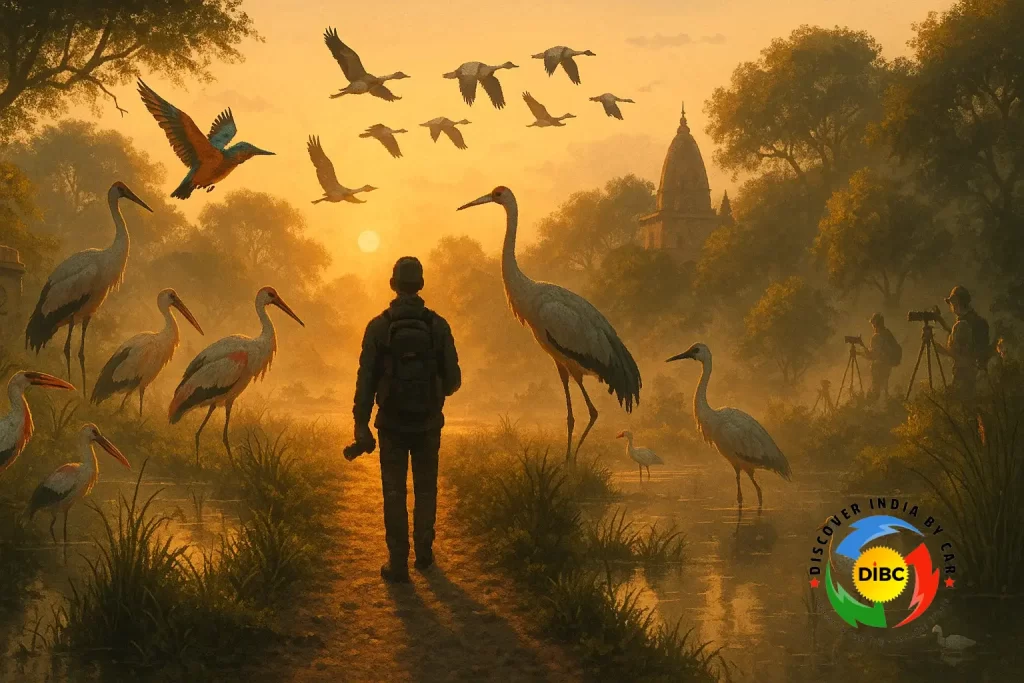
The Winter Spectacle: A Global Airport for Birds
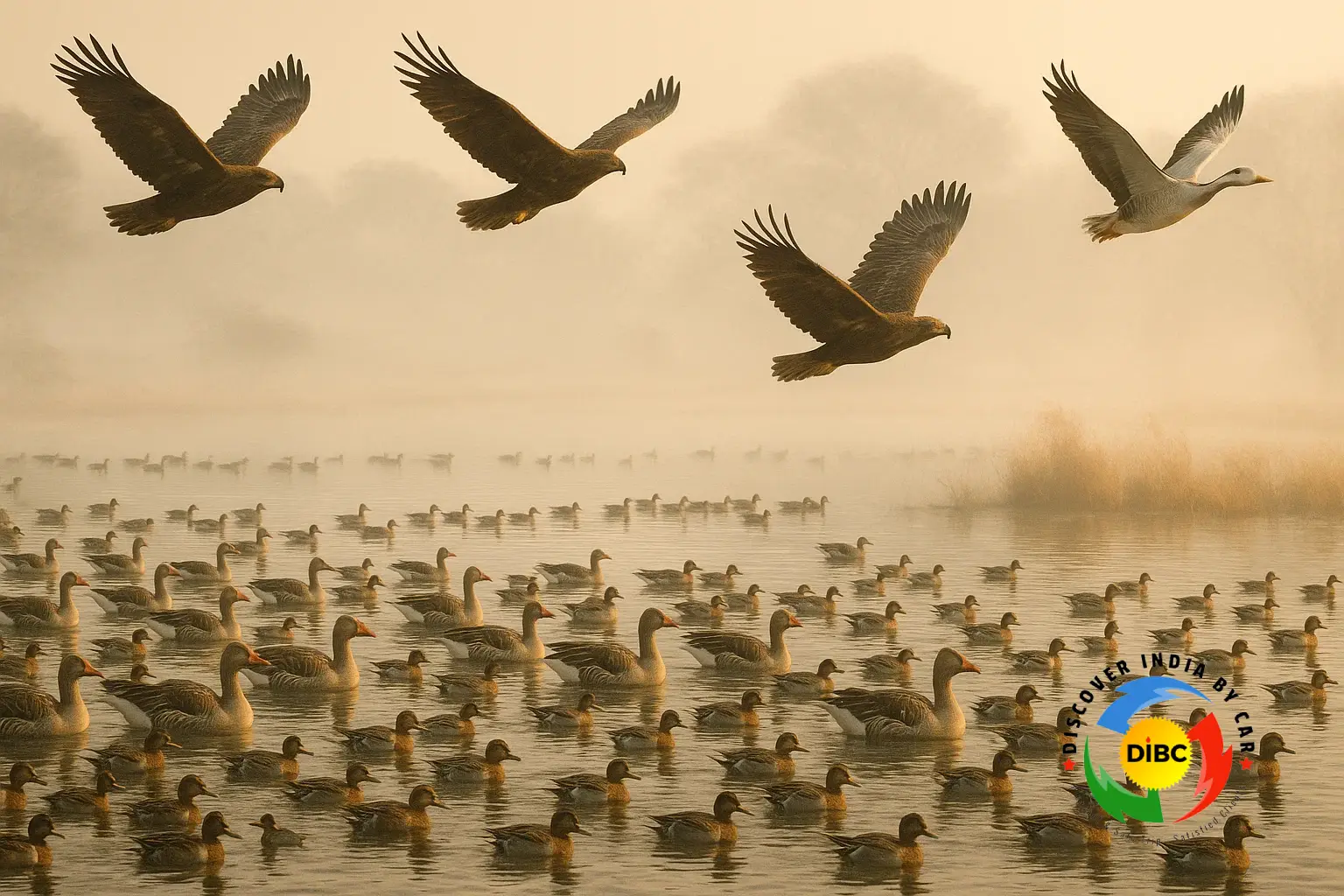
From the crisp days of October until the warmth of March, Keoladeo becomes one of the planet’s most vital rest stops. The real magic is in the migration. Think about it—a tiny Bar-headed Goose flying over the Himalayas, or a Northern Shoveler journeying thousands of miles from the frozen plains of Siberia, all to land right here, in these life-giving waters.
You don’t just see a few ducks. You see a shimmering carpet of them. The water is alive with Greylag Geese, Common Teals, and elegant Northern Pintails. The skies are patrolled by majestic hunters like the Imperial Eagle and the Steppe Eagle, their sharp eyes scanning for a meal. It’s a dynamic, living ecosystem playing out right in front of you. It’s raw, it’s real, and it’s spectacular.
The Monsoon Nursery: A Home for Generations
But don’t think the park sleeps in the summer. When the monsoon rains arrive around July, a different kind of magic takes over. This is breeding season for the resident birds. The park transforms into a giant, noisy, chaotic nursery.
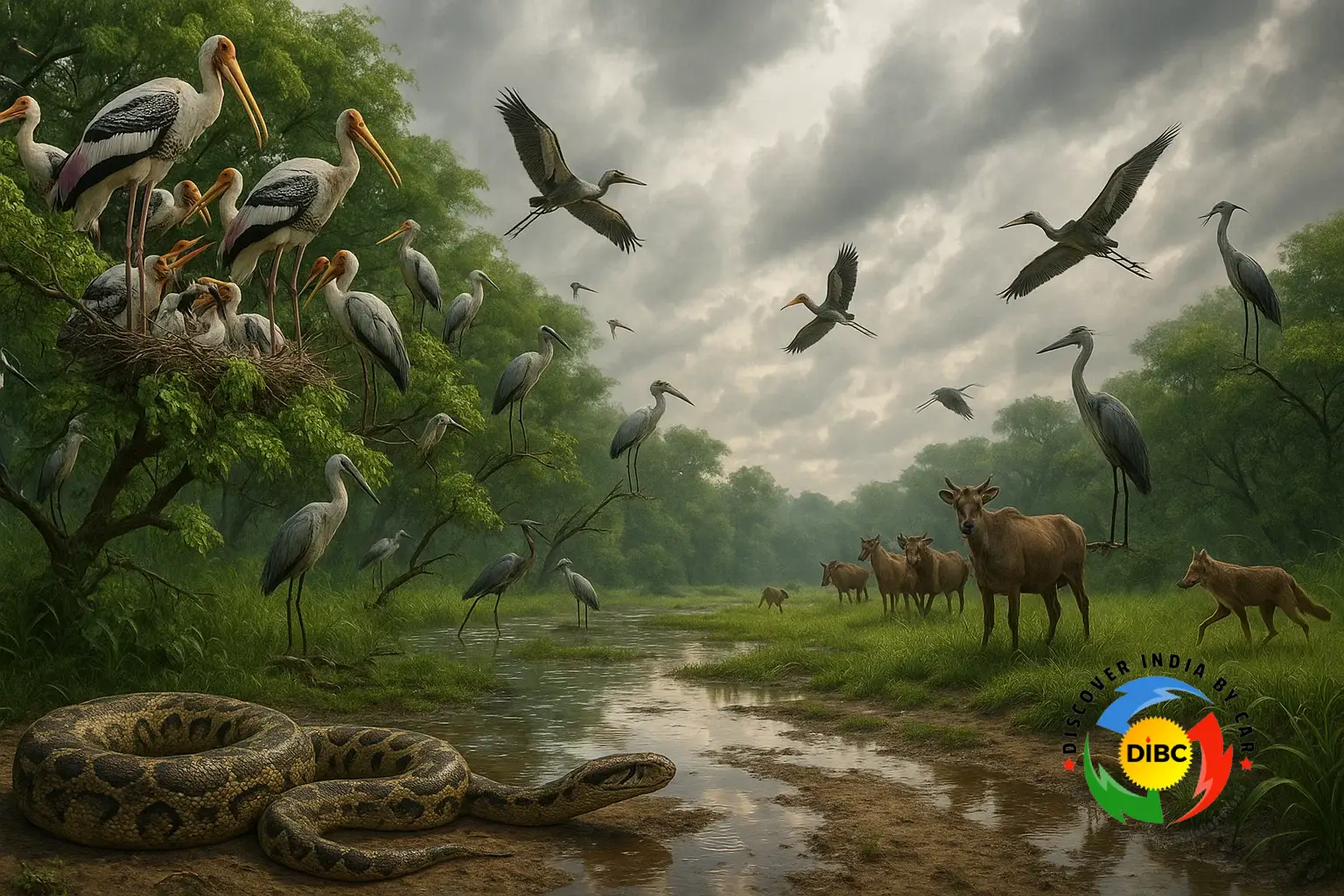
The trees are heavy with nesting colonies of Painted Storks, their pink-tinged feathers a stunning contrast against the lush green. You’ll see the awkward, prehistoric-looking Asian Openbills and the long-legged elegance of Purple Herons. The air is thick with the constant to-and-fro of parent birds ferrying food to their hungry chicks. It’s a completely different energy—one of creation and continuity.
And it’s not just about feathers. Look closer. A massive Rock Python, thick as a tree trunk, might be sunning itself by its burrow. A herd of Nilgai (Blue Bull), Asia’s largest antelope, might crash through the undergrowth. A Golden Jackal might trot silently across the path. Keoladeo National Park is a complete world, and birds are just its most famous citizens.
Let’s Get You There: Your Practical, No-Nonsense Planning Guide
Okay, you’re hooked. You can already hear the bird calls. So how do we make this trip happen? Here’s the real-world breakdown.
When’s the Magic Hour? Picking Your Season
- Winter (October – March): This is the prime time, no question. The weather is gorgeous, and the sheer number of migratory birds is staggering. This is the classic Keoladeo experience.
- Monsoon (July – September): If you’re a true nature lover, don’t discount this season. It’s lush, green, and watching the breeding colonies is a deeply moving experience. You’ll get wet, but your soul will be full.
- Summer (April – June): I’ll be blunt: it’s hot. Seriously hot. Many birds are still around, but the heat can be punishing and makes for a less pleasant exploration.
Getting Your Ticket to Paradise: The Keoladeo National Park Ticket
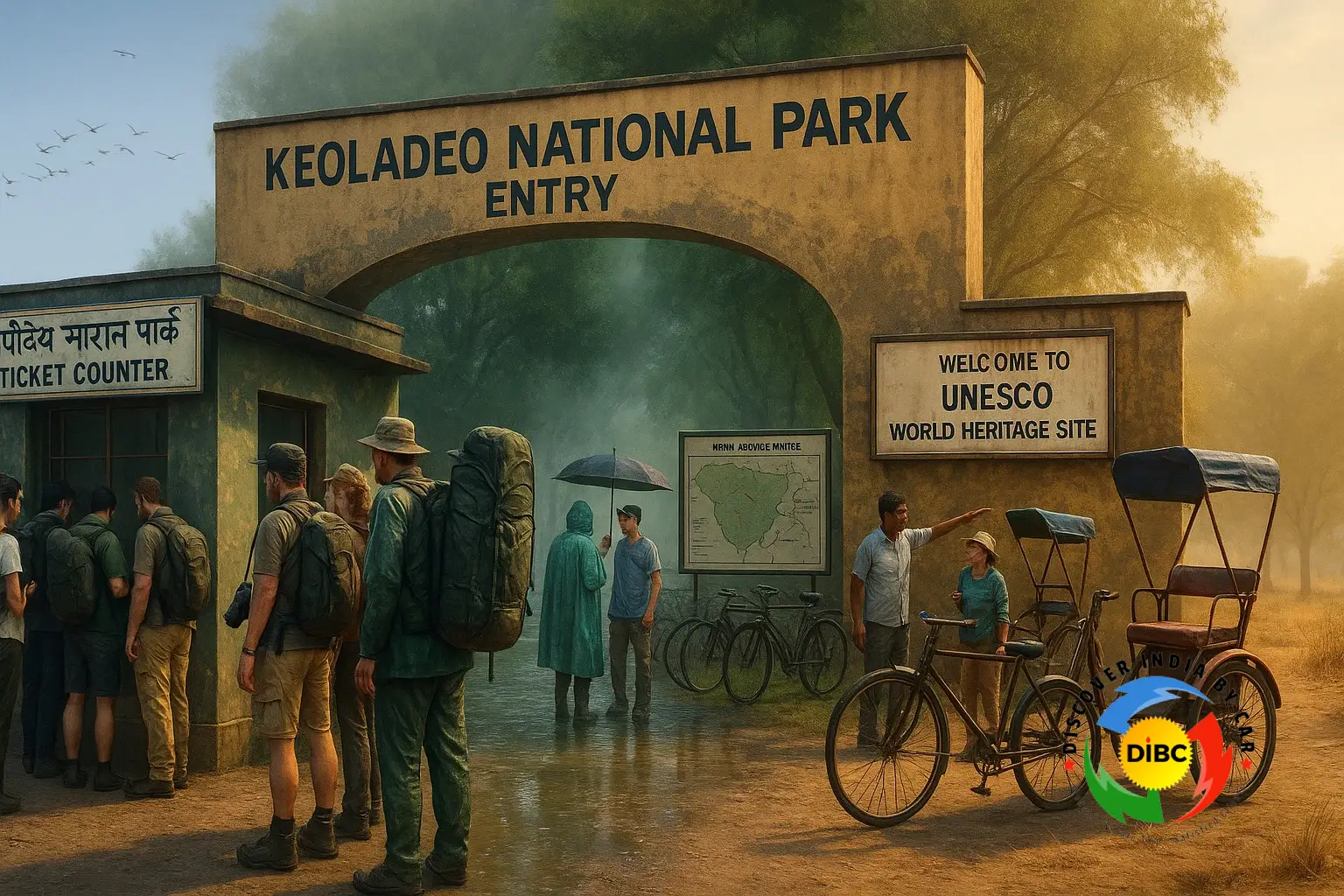
Getting your Keoladeo National Park ticket is straightforward. There’s a counter right at the main entrance. Here’s a rough idea of what to expect (prices can change, so always have a little extra cash):
- For Indians: Expect to pay around ₹100.
- For Foreign Nationals: It’s a bit steeper, around ₹500-₹600.
- Stuff You Bring: There are small fees for bringing in a video camera (still cameras are usually free) and for your vehicle if you drive it up to the main barrier.
My advice? Get there early, especially on a weekend, to beat any potential queue.
How to Dive In: Choosing Your Style of Exploration
This is where the real fun begins. Once you’re through the gate, the park is your oyster. There are no noisy safari jeeps here, which is the whole point. The peace is sacred.
- On Your Own Two Feet: For the purists. Walking allows you to be slow, deliberate, and silent. You’ll notice the small things—the iridescent flash of a dragonfly, the rustle in the bushes that hints at a mongoose. It’s meditative, but be prepared for a long walk.
- Freedom on Two Wheels (Bicycle): This is my personal favorite. You can rent a basic, single-speed bicycle right at the entrance for a song. It gives you the freedom to cover the entire main artery of the park, stopping whenever and wherever you please. Feel the breeze, hear the sounds—it’s liberating.
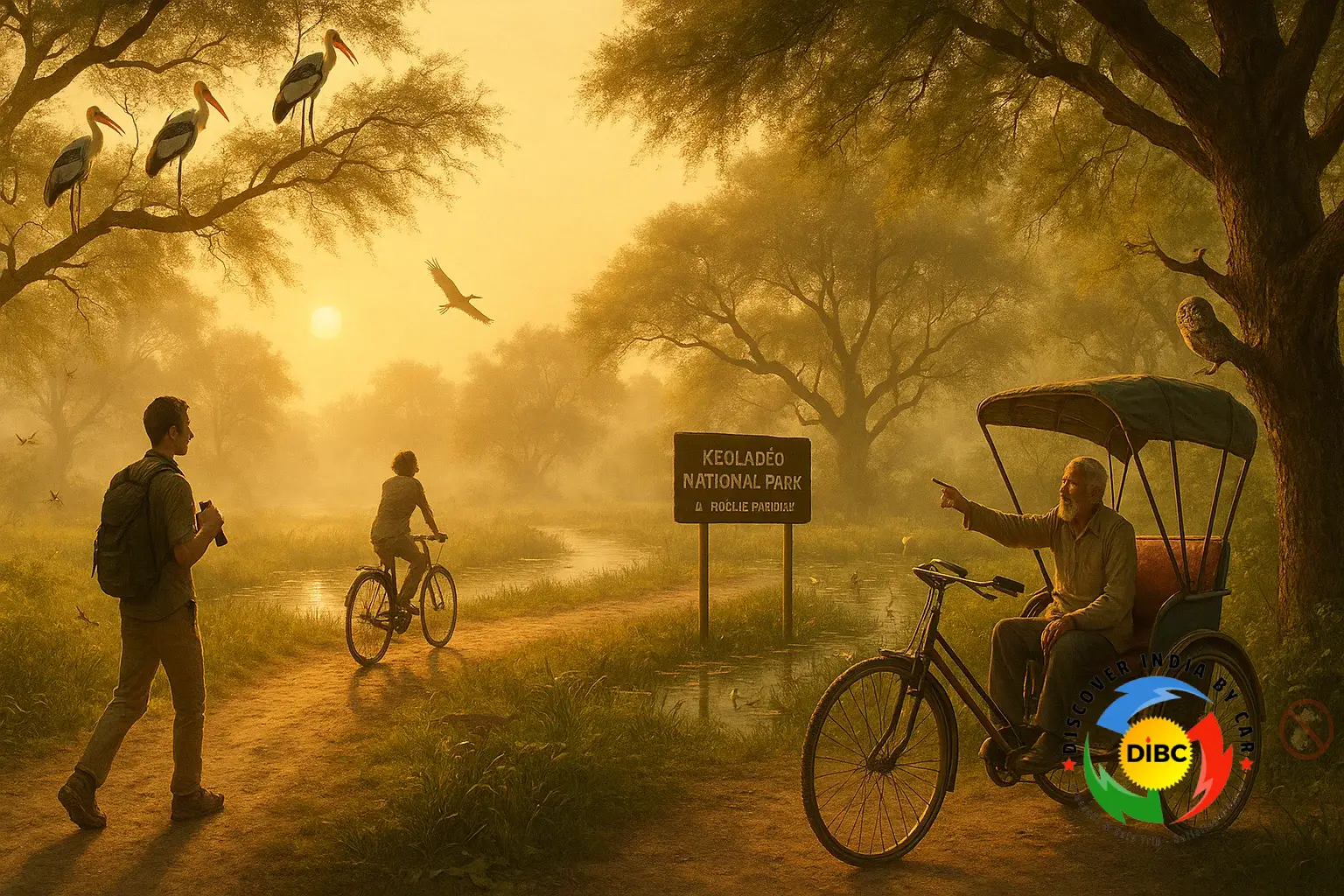
- The Rickshaw Guide: Your Secret Weapon: Don’t underestimate the cycle rickshaws. The men who pull them are often phenomenal guides. Their eyes are trained to spot a camouflaged owlet in a tree hollow or a sleeping python in a burrow that you would walk past a hundred times. You get a comfortable ride and a wealth of local knowledge. It’s worth every single rupee.
- A Boat on the Marsh: If water levels are high enough (usually post-monsoon), you can take a boat ride. This offers a completely different perspective, putting you at eye level with the birds on the water. It’s quiet, intimate, and fantastic for photography.
My Personal Secrets for a Trip You’ll Brag About
After many visits, I’ve learned a few things that can take your trip from “good” to “unforgettable.”
- Embrace the Dawn: I can’t stress this enough. Be at the gate the moment it opens. The first light, the mist, the “golden hour” for photos, and the peak activity of the birds—it’s pure magic. Don’t hit the snooze button.
- Binoculars Are Not Optional: They are essential. They are your window into this world. Without them, you’re just looking at dots in the distance. Beg, borrow, or buy a pair.
- Find a “Sit Spot”: Don’t just rush from point A to B. Find a bench or a quiet spot by the water, and just sit. For 15 minutes. Stay still and silent. Let the world forget you’re there. You’ll be amazed at what emerges when you simply wait.
- Talk to People: Talk to your rickshaw puller. Ask the official guides questions. Chat with other visitors. The shared passion and the stories you’ll hear are a huge part of the experience.
A Fragile Paradise: Our Role in its Future
It’s easy to see Keoladeo National Park as a permanent, unchanging Eden. But its existence is fragile. Its lifeblood is water, and in a country facing water shortages, the park’s survival is a constant challenge. Conservationists work tirelessly to manage water levels and fight invasive plants.
As visitors, we have a role to play. It’s simple: be a good guest. Stick to the paths. Don’t leave a single piece of trash. Keep your voice down. Support the local community by hiring guides and rickshaws. Your responsible tourism is a small but vital vote for the park’s future.
Leaving, But Not Forgetting
You don’t just leave Keoladeo National Park. You carry it with you. You carry the memory of the sun on your face, the symphony of a thousand bird calls in your ears, and the profound sense of peace that comes from being a small part of something so vast and beautiful.
It’s a place that recalibrates you. It reminds you that there’s a wild, intricate, and magnificent world thriving just beyond our noisy lives. The famed Bharatpur Bird Sanctuary is not just a destination on a map; it’s a feeling, a memory, and a powerful reason to protect the natural wonders we have left.
Frequently Asked Questions (FAQs)
Q1: Okay, so what is Keoladeo National Park REALLY famous for?
A1: In a nutshell, Keoladeo National Park is famous for an unbelievable concentration of birds. It’s one of the most important bird wintering and breeding grounds in the entire world, a UNESCO World Heritage site where you can see over 370 species in a relatively small, accessible area. It’s the sheer volume and variety that makes it legendary.
Q2: I’m on a budget. How much does a Keoladeo National Park ticket actually cost?
A2: You’re in luck, it’s very affordable! The Keoladeo National Park ticket is around ₹100 for Indian citizens and about ₹500-₹600 for foreign visitors. Renting a bicycle for the whole day is also incredibly cheap. It’s one of the best value-for-money wildlife experiences in India.
Q3: Is the Bharatpur Bird Sanctuary and Keoladeo National Park the same thing?
A3: Yes, they are! Bharatpur Bird Sanctuary is the older, more popular name that everyone still uses. Keoladeo Ghana National Park is its official name, taken from the local Shiva temple (“Keoladeo”) and the Hindi word for dense forest (“Ghana”). Use either name, and people will know exactly what you’re talking about.
Q4: When should I book my trip to see the most birds?
A4: For the absolute peak experience with the highest number of birds, including the incredible migratory flocks, plan your visit between November and February. The weather is perfect, and the park is at its most vibrant.
Q5: Will I be bored if I’m not a serious birdwatcher?
A5: Not at all! While it’s a bird paradise, the sheer beauty and tranquility of the place are captivating for everyone. Cycling or walking the peaceful paths, spotting large animals like Nilgai and Sambar deer, and just soaking in the natural atmosphere is a fantastic experience even if you can’t tell a heron from a stork. It’s a great escape for any nature lover.