- Private car and driver in Delhi / India
- +91-8447445445
- info@discoverindiabycar.com sugar.ankit@yahoo.com
 +91-9818434712
- Follow us:




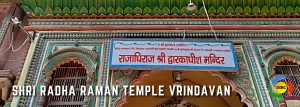
Shri Radha Raman Temple Vrindavan: Exact Timings & Guide (2026)
The Complete Guide to Banke Bihari Mandir Timing, Rituals, and Darshan
Shri Radha Raman Temple Vrindavan is one of the most sacred Krishna temples in India, established in 1542 by Gopala Bhatta Goswami. The temple opens daily from 8:00 AM to 12:30 PM for morning darshan and again from 6:00 PM to 8:00 PM in winter or 9:00 PM in summer.
Located near Keshi Ghat in the historic lanes of Vrindavan, the temple is famous for its miraculous self-manifested Krishna deity that appeared from a sacred Shaligram Shila.
During my recent visits to the narrow, ancient alleys near Keshi Ghat, I realized that standard tourist brochures don’t capture the real essence of this 500-year-old shrine. Tucked away from the massive parking lots and laser shows, this temple operates entirely on raw, ancient devotion.
Before we dive into its miraculous self-manifested Krishna deity and complex history, here is everything you need to know at a glance:
Radha Raman Temple Vrindavan – Quick Information (2026)
- Primary Deity: Self-manifested Lord Krishna (from a sacred Shaligram Shila)
- Location: Rajpur Bangar, near Keshi Ghat, Vrindavan
- Morning Darshan: 8:00 AM – 12:30 PM
- Evening Darshan: 6:00 PM – 8:00 PM (Winter) / 9:00 PM (Summer)
- Entry Fee: 100% Free (No VIP passes exist)
- Best Time to Visit: Mangala Aarti (5:30 AM) or Sandhya Aarti

Vrindavan is saturated with over five thousand places of worship. Many boast massive marble structures, modern laser shows, and enormous parking lots catering to busloads of tourists. The Radha Raman Temple operates on a completely different frequency. Tucked away deeply in the ancient, winding residential alleys near Keshi Ghat, it hides in plain sight. You walk through a heavy, unassuming wooden gate and suddenly hit a physical wall of intense spiritual energy.
Loud, passionate Kirtan echoes off the intricately carved stone walls. Devotees weep openly in the courtyard. The heavy scent of pure ghee, crushed marigolds, and ancient sandalwood paste fills your lungs. It feels entirely detached from the modern world.
This guide breaks down the complete history, exact darshan timings, hidden rules, and insider secrets to experiencing Shri Radha Raman Temple.
The Baffling Origins: History of Shri Radha Raman Temple Vrindavan

You cannot separate the physical brick-and-mortar temple from its mind-bending origin story. The history of Radha Raman Temple Vrindavan begins in the early 16th century with Gopala Bhatta Goswami. He was a brilliant Vedic scholar and one of the six primary disciples of Sri Chaitanya Mahaprabhu, the saint who revived the Krishna Bhakti movement.
Around 1542 AD, Gopala Bhatta Goswami lived in Vrindavan, experiencing agonizing emotional separation from his spiritual master. Following a specific instruction received during a vivid dream, he embarked on a journey:
- He walked thousands of miles to Nepal.
- His destination was the freezing, treacherous waters of the sacred Kali-Gandaki River.
Discovery of the Sacred Shaligram Shilas
Vedic tradition holds this specific river sacred. When he dipped his copper water pot into the rushing, icy current, something unexpected happened. Twelve heavy stones slipped perfectly into his vessel. These were not ordinary river rocks. They were Shaligram Shilas—naturally occurring, spiral-marked stones worshipped across the subcontinent as the direct, non-different physical form of Lord Vishnu.
He brought all twelve stones back to the dusty plains of Vrindavan. For years, he worshipped them daily with immense love. He bathed them, offered them fresh leaves, and kept them in a small woven basket hanging from a tree branch.
Devotion and the Desire to Worship a Deity
But a deep sadness began to eat at him.
He watched other priests in neighboring shrines beautifully dress their deities. They wrapped them in fine silks, handed them silver flutes, and placed jeweled crowns on their heads. A round Shaligram stone simply cannot wear clothes. It has no arms to hold a flute. He desperately wanted a deity he could visually adore and decorate.
On the auspicious festival day of Narasimha Chaturdashi, a wealthy traveling merchant visited his humble camp. The merchant gifted him stunningly beautiful clothes and expensive gold jewelry. Gopala Bhatta Goswami accepted the gifts but wept bitterly before his Shaligrams that night, wishing his Lord had a form that could actually wear these offerings.
The Miraculous Appearance of Radha Raman
The next morning, the laws of physics shattered.
When he reached into the woven basket to wake his twelve Shaligrams, he counted only eleven stones. The twelfth stone—specifically the Damodar Shila—had completely vanished. In its place stood an exquisitely detailed, perfectly proportioned black stone deity of Lord Krishna. The deity stood just about 12 inches tall, smiling gently, positioned exactly to hold a flute. The stone had literally melted and reshaped itself through pure devotion.
He named this impossible deity Radha Raman, translating to “the one who gives infinite pleasure to Radha.”
Expert Pro-Tip: Walk to the far left side of the main courtyard. Look for a small, heavily guarded enclosure. Inside rests the original wooden sitting board (Patta) and garments belonging to Sri Chaitanya Mahaprabhu. The Goswami family has preserved these wooden relics perfectly for five entire centuries.
Unbelievable Facts: What Makes Radha Raman Temple Defy Logic?

Standard tourist brochures give you a surface-level overview. To actually grasp the gravity of the Radha Raman Temple, you need to look at the granular details. Here are the historical facts and daily practices that leave even the most cynical historians entirely speechless.
The 500-Year-Old Unextinguished Kitchen Fire
Behind the opulent main altar lies the temple kitchen, locally known as the Raso Ghar. Here, elaborate meals (Bhog) for the deity are prepared from scratch daily. When the temple was first established half a millennium ago, Gopala Bhatta Goswami lit the initial kitchen fire. He did not use flint. He rubbed two pieces of sacred Arani wood together while chanting highly specific, powerful Vedic mantras until a spark caught.
That exact original fire still burns today. It has never gone out. Modern conveniences like matches, gas lighters, or electric stoves are strictly forbidden inside this sacred kitchen. If a matchstick somehow crosses the threshold, the priests consider the entire kitchen ritually polluted. All cooking relies purely on wood, earthen pots, and ingredients native to India before the 15th century. You will not find potatoes, tomatoes, or chilies in the Lord’s food, as Portuguese traders brought those items to India much later.
The Flawless “Tribhanga” Anatomy
The deity is entirely self-manifested (Swayambhu). No human sculptor ever touched it with a chisel or hammer. Despite this, the small black idol stands in a mathematically flawless “Tribhanga” posture. This means the body bends naturally at three distinct places: the neck, the waist, and the knees.
The anatomical precision defies logic. If you manage to secure a spot right near the altar rail during morning darshan, look very closely. You can clearly see the deity’s tiny, perfectly formed fingernails. You can see the delicate shape of His teeth. The back of the deity still retains the smooth, rounded curvature of the original Shaligram stone, proving its miraculous origin.
The Unseen Yet Dominant Radha Rani
Look closely at the temple’s name: Radha Raman. Yet, if you scan the beautiful silver-plated main altar, you only see the single black deity of Lord Krishna. Where exactly is Radha Rani?
This temple practices a highly specific theological tradition. The devotees believe Radha Rani merged entirely with Krishna out of sheer love. Therefore, a separate idol of her does not exist here. Instead, you will see a solid gold crown or a finely crafted silver umbrella placed on a velvet cushion directly next to Krishna. That crown represents her dominant presence. You worship her simply by worshipping Him.
Bypassing the Brutal Mughal Invasions
The 17th century was a dark, bloody era for North Indian temples. Emperor Aurangzeb launched a massive, aggressive military campaign to smash Hindu idols and level temples across Vrindavan. The priests of other major shrines panicked. They secretly smuggled their massive deities (like Govind Dev Ji and Gopinath) hidden in bullock carts deep into the Rajasthan desert for protection.
Radha Raman never moved an inch.
The temple’s architecture saved it. Unlike the towering, highly visible red sandstone temples of the era, this temple was intentionally kept small. It was hidden deep inside a labyrinth of regular residential houses. The Mughal armies marched right past the neighborhood, completely overlooking the holiest deity in the city.
Shri Radha Raman Temple Vrindavan Timings & Aarti Schedule

Punctuality dictates everything in this tradition. The temple operates on a rigid, unbreakable daily schedule that shifts slightly depending on the harsh North Indian seasons.
The priests treat the deity not as an ancient stone artifact, but as a living, breathing child. Therefore, the Radha Raman Temple timings perfectly mirror a young boy’s natural daily routine. He wakes up early, eats breakfast, rests during the intense afternoon heat, and goes to sleep at night.
If you show up during the middle of the day (between 12:30 PM and 6:00 PM), you will hit a locked wooden door. The Lord is resting. Banging on the doors or begging the guards will achieve nothing.
Complete Radha Raman Temple Aarti & Darshan Chart
Aarti / Ritual Name | Summer Timings (April – Sept) | Winter Timings (Oct – March) | Ritual Description & Significance |
Mangala Aarti | 5:00 AM | 5:30 AM | The first glimpse of the day. Extremely crowded, raw, and deeply emotional. |
Shringar Aarti | 7:30 AM – 8:00 AM | 8:00 AM – 8:30 AM | The Lord is fully dressed in fresh, elaborate clothing and heavy floral garlands. |
Rajbhog Aarti | 10:30 AM – 11:00 AM | 10:30 AM – 11:00 AM | The main, heaviest meal of the day is offered. High energy Kirtan happens here. |
Temple Closes | 12:30 PM | 12:30 PM | Heavy wooden doors shut. Silence falls over the courtyard for afternoon rest. |
Utthapan (Reopening) | 6:00 PM | 6:00 PM | The doors open again. The evening crowds start pouring in. |
Sandhya Aarti | 7:00 PM | 6:30 PM | Sunset worship. The courtyard fills with the smoke of hundreds of incense sticks. |
Shayan Aarti | 9:00 PM | 8:00 PM | Final lullaby prayers before the Lord goes to sleep. Very peaceful atmosphere. |
Expert Pro-Tip: Keep your eyes glued to the red and green electric bulbs mounted near the main sanctum entrance. A glowing red bulb means darshan is currently paused—the priests are likely changing the deity’s clothes or offering food behind the curtain. A green bulb means the heavy curtain is open and darshan is active. Just stand your ground and wait if the red light shines.
Radha Raman Temple Vrindavan Darshan Guide: Real World Rules
Securing a good darshan here requires physical stamina and mental preparation. The main temple courtyard is quite small, especially when compared to the sprawling, modern complexes found elsewhere in the city. During peak Aarti times, this tiny space packs in hundreds of highly emotional devotees. It gets hot. People push. You need to know how to handle it.
The Reality of the Crowd:
Do not expect a neat, orderly, single-file line. Darshan here is a communal surge. When the curtain finally pulls back, the crowd pushes forward simultaneously to get the closest possible view. Plant your feet firmly. Keep your wallet and phone securely in your front pockets. The pushing is never malicious; it stems entirely from spiritual desperation to see the Lord.
Strict Dress Code and Etiquette:
This is an orthodox, highly conservative Gaudiya Vaishnava epicenter. Dress respectfully.
- Men: Traditional Dhotis or simple kurta-pajamas earn you the most respect from the local priests. Standard trousers and conservative shirts work fine. Wearing shorts or sleeveless gym tank tops will likely get you scolded or denied entry.
- Women: Sarees, full-length salwar kameez, or ankle-length skirts are required. Cover your shoulders completely. Carrying a light dupatta (scarf) to cover your head is highly appreciated.
- Footwear Logistics: You absolutely must leave your shoes outside the main temple perimeter. Small stalls operate right outside the gates. Hand them your shoes, take the metal token, and pay them a nominal 10 Rupees when you return.
Photography is Strictly Banned:
Do not try to be clever with your smartphone. Taking photos of the inner sanctum or the deity is highly offensive and strictly prohibited. The Goswami priests watch the crowd closely. If they catch you snapping a photo, they will publicly yell at you and force you to delete it. Keep the phone away. Burn the image into your actual memory instead.
Directly adjacent to the temple building sits the Samadhi (sacred tomb) of Gopala Bhatta Goswami. Locals consider it highly disrespectful to leave the premises without visiting this tomb first to offer gratitude to the saint who brought the deity to the world.

How to Reach Radha Raman Temple
Navigating the narrow, chaotic, monkey-filled alleys of old Vrindavan intimidates even seasoned Indian travelers. The temple sits tightly packed in the Rajpur Bangar area, very close to the Yamuna River at Keshi Ghat.
Arrival by Train:
- Vrindavan Railway Station: Geographically, this sits only 2 kilometers away. However, it functions as a minor station serving only incredibly slow, localized passenger trains. Skip it.
- Mathura Junction (MTJ): This serves as your primary rail hub, located about 14 kilometers away. It connects flawlessly to Delhi, Mumbai, Chennai, and Agra via high-speed express trains. Step outside Mathura station, ignore the aggressive touts, and hire a private taxi or catch a shared auto-rickshaw specifically asking for “Vrindavan Parikrama Marg.”
Arrival by Air:
- Delhi IGI Airport (DEL): This remains the most logical international and domestic gateway. Once you land, hire a pre-paid cab. For a Delhi to Vrindavan road trip, the Yamuna Expressway offers a smooth 2.5-hour drive (approx. 136 km) directly to the edges of Vrindavan.
Many pilgrims combine Radha Raman Temple with visits to Banke Bihari Temple, ISKCON Vrindavan, and Prem Mandir during a single Vrindavan temple tour.
The Final Mile (Local Transport Constraints):
Four-wheeled cars absolutely cannot enter the tight lanes leading to the temple. You will get stuck instantly. You must park your car at the large, designated parking lots on the outer Parikrama Marg (near Vidyapeeth Chauraha or Raman Reti).
From the parking lot, hire a battery-operated e-rickshaw. Clearly tell the driver: “Radha Raman Mandir ki gali.” They usually charge around 50 INR per person. They will drop you at the head of a narrow lane. You must walk the final 200 meters on foot. Keep your head up and watch out for the aggressive local monkeys—they will snatch your glasses, phones, or food in a heartbeat.

The Absolute Best Time to Visit Radha Raman Temple
The spiritual gates remain open 365 days a year. However, the best time to visit heavily depends on your tolerance for extreme weather and massive crowds.
The Golden Weather Window: Plan your trip between October and March. By October, the punishing, suffocating North Indian summer heat finally breaks. The mornings turn crisp, cool, and highly pleasant. Walking barefoot on the freezing stone floors during the January winter mornings requires thick socks, but the overall atmosphere feels incredibly pure.
Radha Raman Temple vs Banke Bihari Temple
Both temples are among the most important Krishna temples in Vrindavan but offer different experiences.
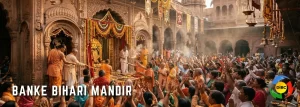
Banke Bihari Temple is famous for massive crowds and the Jhaanki curtain darshan system.
Radha Raman Temple follows the traditional Gaudiya Vaishnava worship style and maintains uninterrupted devotional rituals dating back to the 16th century.
Many pilgrims visit both temples on the same day during their Vrindavan temple tour.
High-Impact Festivals (Proceed with Caution): If you want to witness the temple operating at maximum spiritual velocity, align your travel dates with these specific events. Be warned: the crowds during these times are staggering.
- Janmashtami (August/September): The exact birthday of Lord Krishna. The temple stays awake all night. The deity receives a massive, opulent Abhishek (ritual bathing) using hundreds of liters of pure milk, yogurt, honey, and ghee. The roar of the crowd at midnight shakes the walls.
- Radhashtami: Celebrating the appearance of Radha Rani. Despite lacking a physical idol, the priests celebrate her presence with massive feasts, special morning prayers, and intricate floral decorations.
- Kartik Month (October/November): The absolute holiest month in the Vaishnava calendar. Evening darshans during Kartik look like a dream. Devotees light thousands of small, earthen ghee lamps, illuminating the dark stone courtyard with a warm, flickering golden glow.
The Lingering Power of the Radha Raman Courtyard
Visiting this shrine completely shatters standard tourism. You do not come here just to inspect ancient architecture or snap selfies with historical relics. You step directly into a living, breathing, unbroken 500-year-old river of raw human devotion.
The Goswami priests serving the altar today use the exact same brass bells, chant the exact same Sanskrit verses, and hold the exact same deep reverence as their ancestors did back in 1542. The ancient fire in the hidden kitchen still crackles. The tiny black deity still flashes that exact same smile.
When you manage to secure a spot in that crowded courtyard, just as the heavy evening bells start crashing and the thick smoke of sandalwood fills the air, something shifts internally. The crushing stress of the outside modern world completely evaporates. You leave your anxiety at the door alongside your shoes.
Do not rush this visit. Take your time. Find a quiet corner near the pillars. Close your eyes. Just listen to the collective sound of hundreds of people singing the same ancient mantra. It creates a physical sensation that stays buried deep in your chest long after you have wiped the holy dust of Vrindavan off your feet.
Frequently Asked Questions (FAQ)
Q1. What are the Radha Raman Temple Vrindavan timings today?
A: The temple opens for morning darshan starting from 8:00 AM until 12:30 PM (following early morning private rituals). It opens its doors again for the evening session from 6:00 PM to 8:00 PM during the winter, and stays open until 9:00 PM in the summer.
Q2. Which is the nearest railway station to Radha Raman Temple?
A: While Vrindavan Railway Station sits closest at just 2 kilometers away, it lacks real connectivity. Mathura Junction (MTJ), located 14 kilometers away, serves as the most practical, well-connected major railhead for tourists arriving from major Indian cities.
Q3. Why is Radha Rani idol not in Radha Raman Temple?
A: According to local theological beliefs, Radha Rani physically and spiritually merged directly with Lord Krishna. Therefore, no separate physical idol exists. Her powerful divine presence is strictly honored by placing a stunning golden crown or silver umbrella on a cushion right beside Krishna.
Q4. Is there any entry ticket for Radha Raman Temple?
A: No. Walking into the Shri Radha Raman Temple costs absolutely nothing. Entry remains completely free for every devotee and foreign tourist. Beware of touts asking for an entrance fee outside the gates. If you wish to donate, place your money directly into the secure, locked donation boxes inside the courtyard.
Q5. Who originally built the Radha Raman Temple structure?
A: Gopala Bhatta Goswami initiated the original worship of the deity in 1542. However, the larger, modern structural compound you walk through today was heavily rebuilt, financed, and expanded in 1826 by two wealthy, devoted brothers: Shah Kundan Lal and Shah Phundan Lal.
Q6. Can foreign tourists visit Radha Raman Temple?
A: Yes. Radha Raman Temple is open to both Indian devotees and international visitors. However, modest dress and respectful behavior are expected inside the temple premises.
Q7. Is Radha Raman Temple older than Banke Bihari Temple?
A: Yes. Radha Raman Temple was established in 1542 by Gopala Bhatta Goswami, making it one of the oldest continuously active Krishna temples in Vrindavan.