- Private car and driver in Delhi / India
- +91-8447445445
- info@discoverindiabycar.com sugar.ankit@yahoo.com
 +91-9818434712
- Follow us:



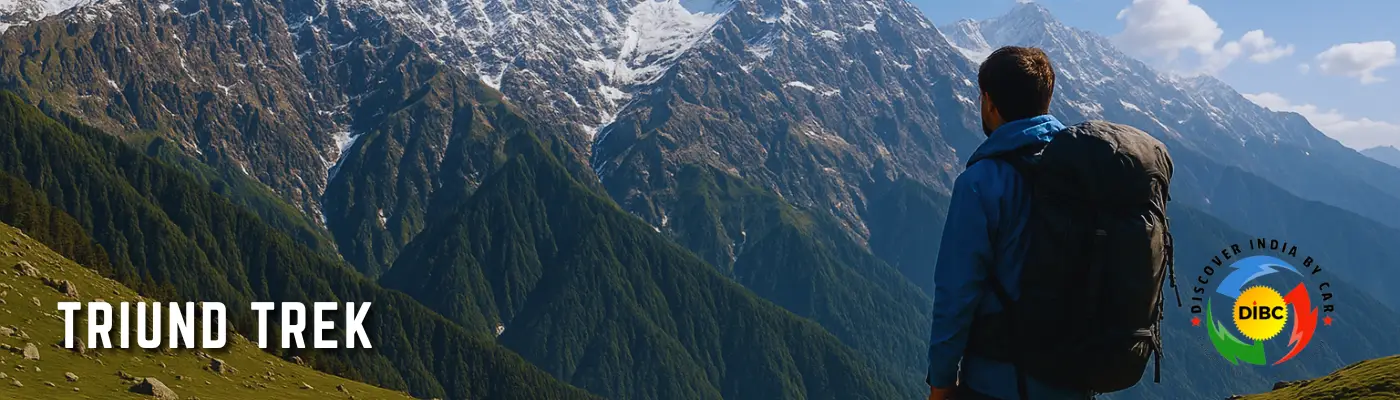
Triund Trek: Complete Guide to the Crown Jewel of Dharamshala
The Triund Trek: Your Ultimate Guide to a Weekend in Himalayan Heaven
Let me ask you something. When was the last time you felt truly, profoundly small? Not in a bad way, but in that awe-struck, humbled-by-nature kind of way. For me, that moment came on a windswept meadow, 9,000 feet up in the Himalayas, with the mighty Dhauladhar range so close I felt I could reach out and touch its snowy peaks. That place was Triund.
Tucked away above the bustling, colourful streets of McLeod Ganj, the Triund Trek isn’t just a trail marked on a map. It’s a journey. It’s the perfect first date with the Himalayas for a beginner, and a beautiful, quick escape for those of us who already have mountain dust in our veins. It pushes you just enough to make you feel it, so that when you finally reach the top, the view feels less like a picture and more like a hard-earned reward.
I still remember my first time vividly. Legs aching from the final climb, lungs gasping in the thin air, and then… silence. The forest just peels back to reveal this impossibly green carpet spread at the feet of giant, jagged mountains. It’s a moment that sticks with you.
If you’re feeling that itch for adventure, that pull towards the peaks, then you’ve landed in the right spot. Think of this as a conversation with a friend who’s been there, done that, and made all the rookie mistakes so you don’t have to. Ready to get those boots dirty? Let’s get into it.
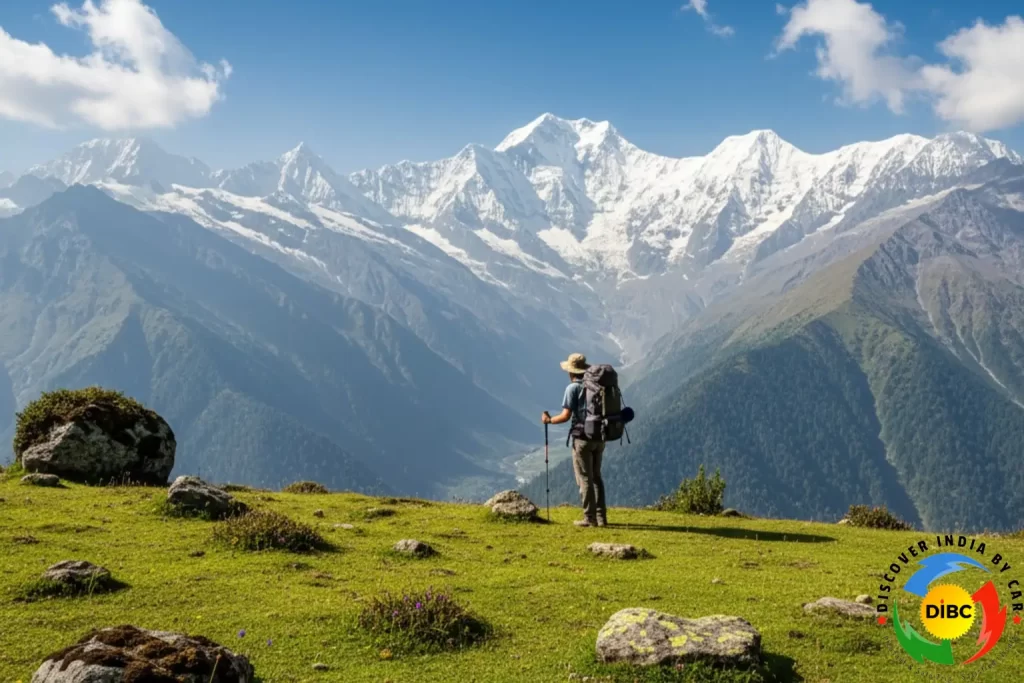
An Overview of the Triund Trek: What You’re Signing Up For
Alright, before we start dreaming of Maggi with a mountain view, let’s get the basic stats straight. Knowing what you’re up against is half the battle won.
- Where is it? It’s in the Kangra district of Himachal Pradesh, floating right above the well-known towns of Dharamshala and McLeod Ganj.
- How long is the hike? The main trail from the Gallu Devi Temple base camp is about 9 kilometers (roughly 5.6 miles) one way. It feels longer on the way up, I promise!
- How high are we talking? Triund Top will have you sitting pretty at 2,875 meters (a cool 9,432 feet) above sea level. You’ll feel it in the air!
- So, how tough is it, really? Officially, it’s ‘Easy to Moderate’. What this means in human terms is: most of it is a gentle, scenic walk, but the last kilometer is a series of steep switchbacks designed to test your willpower. It’s the perfect “I can do this!” trek for first-timers.
- How long will it take? Plan for about 4-6 hours to climb up and a quicker 3-4 hours to come back down. This all depends on your fitness and, more importantly, your capacity for taking chai breaks along the way (my personal recommendation: take many).

The Best Time for the Triund Trek: Choosing Your Perfect Season
Timing in the mountains isn’t just about the weather; it’s about the entire experience. The Triund Trek best time completely changes the character of the trail.
Spring & Summer (March to June): The Social Butterfly Season
Let’s just say, this is when Triund is the life of the party.
- The Vibe: The snow has melted away, revealing impossibly green meadows. The weather is just gorgeous – warm sunshine on your back and a cool breeze. The famous rhododendrons are in full bloom, painting the forest with splashes of deep red.
- The View: Skies are generally clear and blue, giving you postcard-perfect views of the Dhauladhar range.
- Heads Up: This is peak season, so the trail will be buzzing with energy and fellow trekkers. Great for meeting people, less so if you’re seeking absolute solitude.
Monsoon (July to August): The ‘Maybe Next Time’ Season
Honestly? My advice is to skip this one.
- The Vibe: The mountains are moody, with heavy rain and a constant veil of mist. The path becomes a slippery, muddy challenge, and leeches come out to play. Not fun.
- The View: Often, there isn’t one. You could climb all the way to the top only to be greeted by a thick wall of white cloud.
- Heads Up: Landslides are a real risk in the region during monsoon. It’s safer and far more pleasant to wait.
Autumn (September to November): The Photographer’s Dream Season
This is my personal favorite. Post-monsoon, the mountains are just showing off.
- The Vibe: The monsoon rains have washed all the dust from the air, leaving it crisp, clean, and invigorating. The weather is stable, with pleasant days and nights that have a definite chill.
- The View: Unbelievably sharp and clear. This is when you get those HD, hyper-realistic views of the Dhauladhar peaks against a brilliant blue sky. It’s breathtaking.
- Heads Up: The crowds are thinner than in summer, striking a perfect balance between solitude and safety.
Winter (December to February): The ‘Expert Mode’ Season
For those who crave a proper snow adventure, winter transforms Triund into Narnia.
- The Vibe: It’s a whole different world. The trail and the meadow are buried under a thick blanket of snow. It’s stunningly beautiful, silent, and challenging. Temperatures will plummet below zero at night.
- The View: Imagine pristine white slopes with the mighty peaks rising behind them. It’s magical.
- Heads Up: This is not a casual stroll anymore. You’ll need proper winter gear (gaiters, microspikes, multiple warm layers) and I’d strongly recommend hiring a guide, as the trail can be completely hidden under snow.

The Journey to the Clouds: A Step-by-Step Triund Trek Itinerary
This is it. The real adventure. The Triund Trek itinerary is best enjoyed over two days. Don’t rush it.
Day 1: The Climb, The Chai, and The Camping
- The Morning Buzz (Around 8:00 AM): Fuel up with a big breakfast in McLeod Ganj or Dharamkot. Parathas and coffee work wonders. Take a cab to the Gallu Devi Temple. This is where it gets real. You’ll see a small forest checkpoint. Show your ID, pay a tiny fee, and you’re on your way.
- The Gentle Start (9:00 AM – 11:00 AM): The first half of the trek is a beautiful lie. It’s a gentle, forgiving path that winds through a dense forest of oak and rhododendron. It’s lovely, peaceful, and lulls you into thinking, “Hey, this is easy!” Enjoy the birdsong and the sunlight filtering through the canopy.
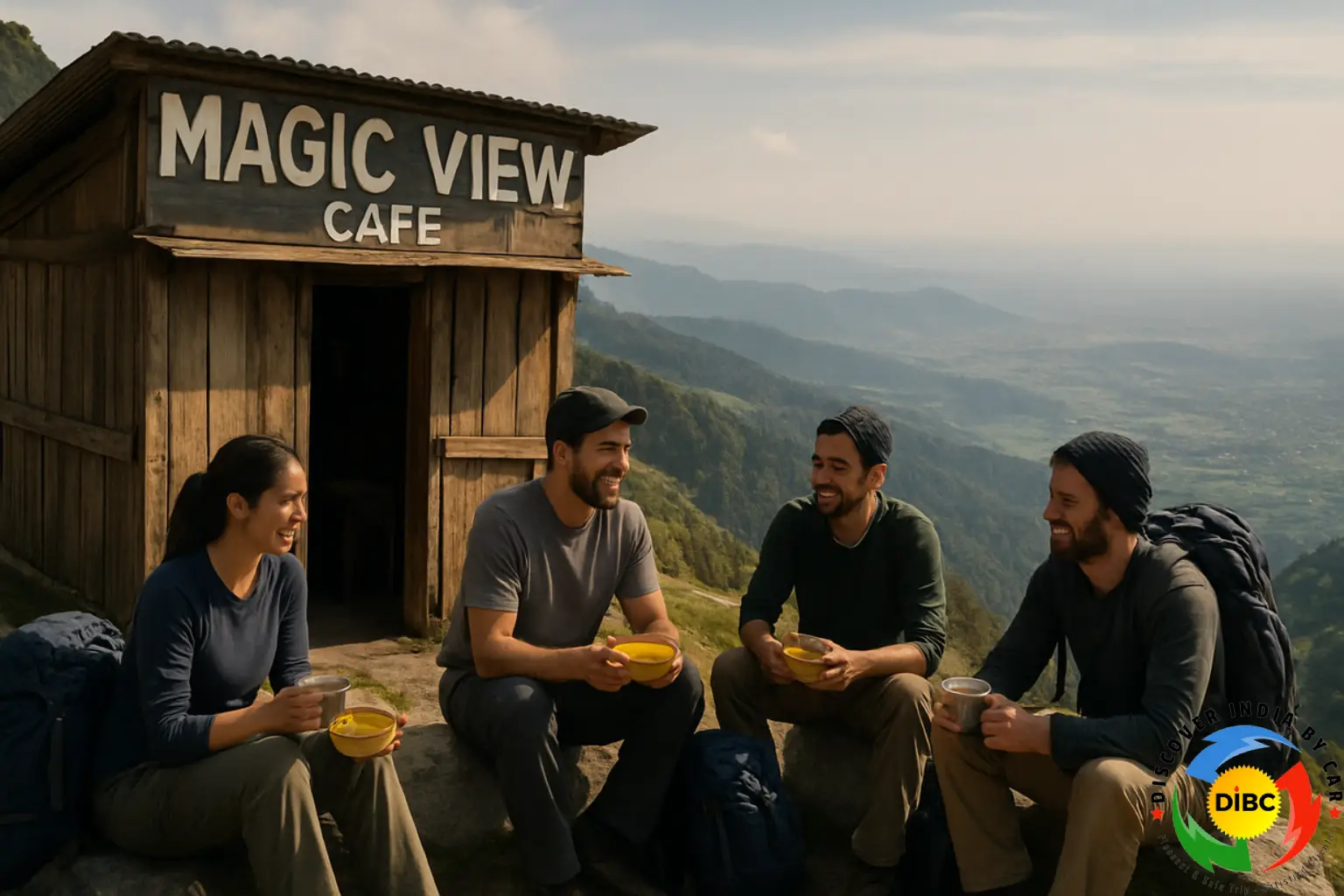
- The Legendary Chai Stop (Around 11:00 AM): You’ll soon come across a simple shack with a bold name: Magic View Cafe. It’s not just a name; it’s a promise. Stop here. Order a ginger-lemon-honey tea and a plate of Maggi. Trust me, it will be the best thing you’ve tasted all day. You’ll get your first real, wide-open glimpse of the Kangra Valley below. It’s stunning.
- The Reality Check (12:00 PM – 2:00 PM): Fueled by tea, you tackle the second half. The trail steepens. The final kilometer is famously known as the “22 Curves.” It’s a series of relentless zig-zags that make your legs burn and your lungs work. This is where you earn your view. Go slow, breathe, and just focus on the next turn. The Dhauladhars are right there, cheering you on.
- The Grand Reveal (2:00 – 3:00 PM): After what feels like the last curve ever, you take one more step, and the trees just vanish. The world opens up into this vast, glorious meadow. You did it. You’re at Triund. I guarantee you’ll just drop your bag, stare with your mouth open for a solid five minutes, and feel an incredible sense of achievement.
- The Evening Magic: Find your pre-booked tent. The evening is for lazily exploring the meadow, finding the perfect photo spot, and watching the sun dip below the horizon, setting the entire valley on fire with color.
Day 2: Sunrise, Reflection, and the Walk Down
- The Golden Hour (Around 6:00 AM): Waking up will be tough in the cold, but force yourself. A local vendor will be selling hot tea. Grab a cup, wrap yourself in your jacket, and find a spot facing the peaks. Watching the first rays of the sun kiss the snow-covered Dhauladhars, turning them from grey to pink to brilliant gold, is a moment of pure, unfiltered magic.
- Packing Up (8:00 – 9:00 AM): After a simple breakfast, pack your stuff. Here’s a golden rule of the mountains: leave the place cleaner than you found it. Pack out all your plastic waste.
- The Descent: The way down is much faster but can be a killer on the knees. This is where a trekking pole becomes your best friend. Take your time, enjoy the views you missed on the way up, and by lunchtime, you’ll be back at Gallu Devi Temple, tired, triumphant, and a slightly different person.
More Than Just a Hike: Unforgettable Things to Do at Triund
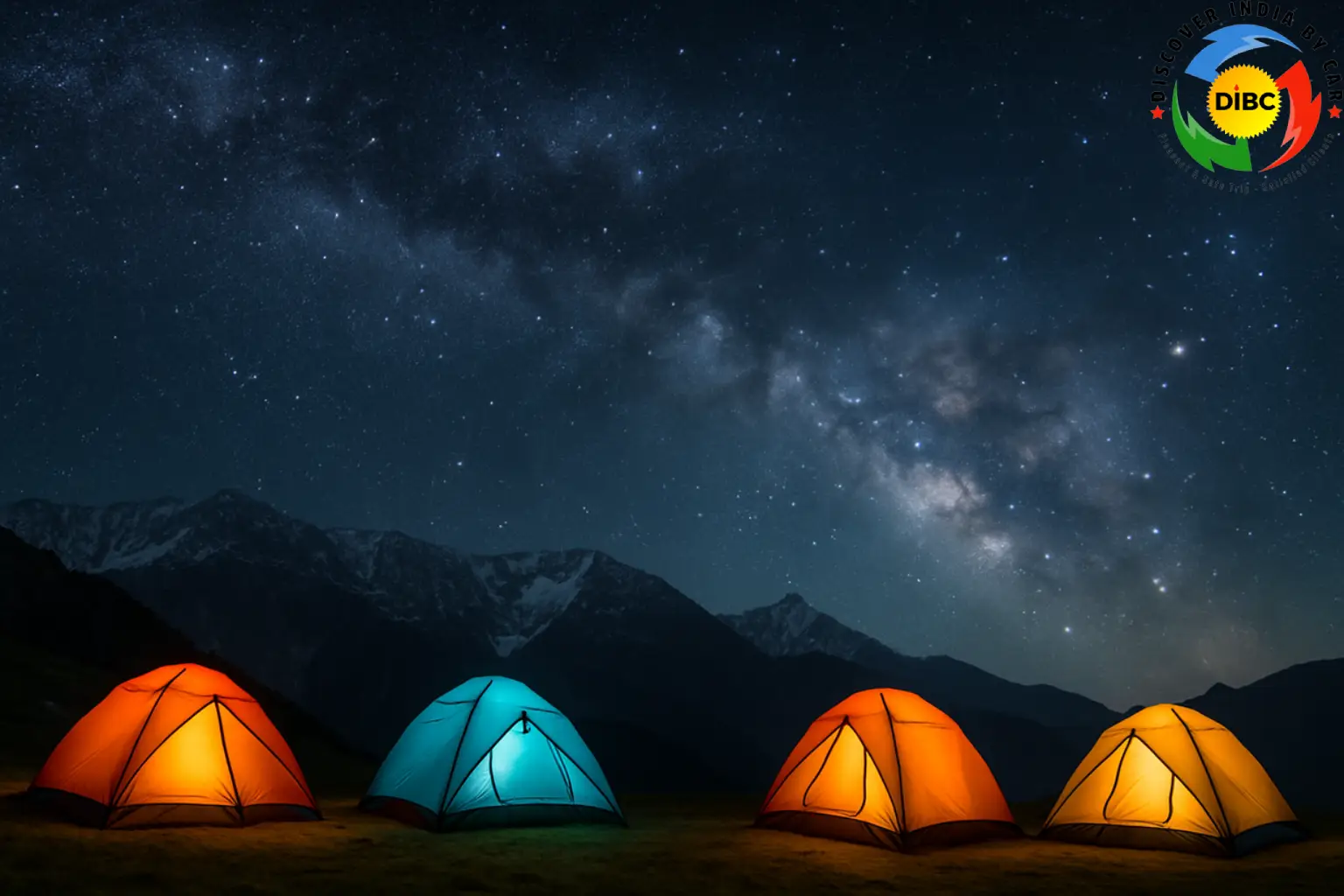
- Camping Under a Blanket of Stars: The number one reason to stay the night. The Triund Trek camping experience is off the charts. With no city lights, the sky erupts into a dazzling display. You can easily spot the Milky Way. There’s nothing quite like sitting with new friends, sharing stories as the stars blaze above.
- Chasing the Sunrise: I mentioned it, but it deserves its own point. Don’t hit the snooze button. The sunrise over the Dhauladhar range is a core memory you’ll keep forever.
- Stargazing and Night Photography: For anyone with a DSLR and a tripod, Triund is a celestial playground. The conditions are perfect for capturing star trails or just staring up in wonder.
- Side Trip to Snowline (for the extra adventurous): Got more gas in the tank? Trek another hour or two upwards from Triund to the Snowline Cafe. The views get even more dramatic and you’re right at the foot of the snow line.
Decoding the Triund Trek Cost: A Budget-Friendly Adventure
Here’s the lowdown on the damage to your wallet (spoiler: it’s not much). Triund is super accessible.
- Permits/Entry: A small fee of around ₹100 – ₹200 is charged at the forest department checkpoint.
- Guide (Not essential, but nice to have): A local guide will cost about ₹1000 – ₹1500 for the trip. Recommended if you’re a total beginner or trekking in winter.
- Triund Trek Camping: This is your main expense.
- Packages: Easiest option. Operators in Dharamkot offer deals for ₹1500 – ₹2500 per person. This usually covers your guide, tent, sleeping bag, dinner, and breakfast. Zero hassle.
- Rentals: You can also rent gear in Dharamkot. A tent and sleeping bag might cost you ₹500 – ₹800.
- Food: Food on the mountain is pricier, for obvious reasons. A Maggi or tea is about ₹60-₹100. A simple dinner of dal, rice, and sabzi at the top is around ₹200-₹300.
- Transport: Taxi from McLeod Ganj to the trailhead will be around ₹800-₹1000 for a round trip if you book the same driver.
Bottom Line: Excluding your travel to McLeod Ganj, you can have an amazing two-day Triund trek experience for ₹2,000 to ₹4,000.
Your Essential Packing List: What to Carry in Your Backpack
Pack light, pack smart. Your shoulders will thank you.
- Clothes (Think layers!):
- Couple of quick-dry t-shirts
- A warm fleece jacket is a lifesaver
- Windproof and waterproof jacket (the weather can turn in minutes)
- Thermal innerwear for the cold night
- Comfy trek pants (absolutely no jeans!)
- Feet First:
- Good trekking shoes with solid grip (non-negotiable, seriously. Break them in before you go!)
- A few pairs of warm socks
- Gear & Other Must-Haves:
- A 30-40 liter backpack
- Trekking pole (your knees will write you a thank-you letter on the way down)
- Headlamp/torch (you’ll need it to find the loo at night)
- Reusable water bottle
- Sunscreen, sunglasses, and a cap
- The Little Things:
- Basic first-aid kit (band-aids, pain relief spray, your meds)
- Power bank (phone batteries die faster in the cold)
- Snacks! Chocolate, energy bars, nuts.
- Your government ID card for the permit.
Safety First: Essential Tips for a Smooth Trek
Listen up, this is important. A little preparation goes a long way.
Do’s:
- Acclimatize: Chill in McLeod Ganj for a day. Don’t just land and start climbing. Let your body say hello to the altitude.
- Hydrate: Sip water constantly. Even when you don’t feel thirsty.
- Start Early: Aim to be on the trail by 9 AM. You don’t want to be racing against the sun.
- Listen to Your Body: If you’re tired, rest. This isn’t a race.
- Be a Responsible Trekker: Carry your trash back. Don’t leave plastic bottles or wrappers on the trail.
Don’ts:
- Don’t Trek in the Dark: The trail isn’t lit, and it’s easy to take a wrong step.
- Don’t Overload: Only carry what you absolutely need.
- Don’t Drink Alcohol: It dehydrates you and makes you more susceptible to altitude sickness. Stick to tea and water.
- Don’t Wear New Shoes: The blisters will ruin your trip. I’ve seen it happen.
Frequently Asked Questions (FAQs) about the Triund Trek
Q1. Is the Triund Trek really okay for a total newbie?
A. Yep, 100%. This is the trek where many people fall in love with the Himalayas. The path is clear, and it’s a mental game more than anything. The final hour is tough, but it’s completely doable. Just go at your own pace!
Q2. Can we just show up and pitch our own tent?
A. Nope, not anymore. To protect the environment and manage waste, camping is now organized. You need to book your spot in a pre-pitched tent through local vendors in McLeod Ganj or Dharamkot. It’s better this way, trust me.
Q3. What’s the toilet situation up there?
A. Let’s be real: it’s basic. You’ll find dry-pit toilet tents. It’s part of the rustic charm! Don’t expect flushing toilets and running water. Carry hand sanitizer.
Q4. Will my phone have a network at the top?
A. It’s a bit of a lottery. You’ll have a spotty signal for Airtel and Jio on some parts of the trail and at the top, but don’t count on it. Think of it as a forced digital detox. You won’t miss it.
Q5. Do I absolutely need to hire a guide?
A. You don’t haveto in the main season, as the trail is like a highway. But for a first-timer, or if you’re trekking in winter, I’d highly recommend it. Local guides know the trail, the weather, and have amazing stories to share. It enhances the experience.
Your Adventure Awaits
Triund is not just about getting to the top. It’s about the journey. It’s about that sweet, rewarding ache in your muscles, the simple joy of a hot cup of tea in the cold, the stories shared with strangers around a fire, and the profound peace of watching the sun rise over those ancient peaks. It’s a weekend that recharges your soul.
So, what are you waiting for? The Dhauladhars are calling. The trail is there. The magic is real.
Go answer the call. You’ll come back with more than just photos; you’ll come back with a story.