- Private car and driver in Delhi / India
- +91-8447445445
- info@discoverindiabycar.com sugar.ankit@yahoo.com
 +91-9818434712
- Follow us:



Underrated Places in India for Foreign Tourists
Beyond the Golden Triangle: 10 Underrated Places in India for Foreign Tourists (A Road-Trip Strategy)
Most foreigners landing in India immediately funnel into the “Golden Triangle” (Delhi, Agra, Jaipur), followed closely by the backwaters of Kerala or the beaches of Goa. While these destinations are iconic, they offer a curated, heavily commercialized version of the country. They rarely provide the raw, unfiltered narrative of the subcontinent.
This guide is designed to break that pattern. If you are looking for underrated places in India for foreign tourists, you aren’t looking for gift shops and crowded monuments; you are likely looking for silence, texture, and cultural friction.
This article assumes you are interested in traversing India by road—either via self-drive or a chauffeured rental—because the road is the only way to truly unlock the periphery. We have compiled deep insights based on cross-state driving logistics, highway reality checks, and safety audits to help you navigate beyond the guidebook recommendations.
Snapshot: Is This Guide For You?
Who this guide is for:
- Travelers who prefer road trips (4+ hours of driving per day) and value the journey as much as the destination.
- Foreign tourists seeking “Tier-2” and “Tier-3” cities where cultural interactions are authentic, not transactional.
- Adventure seekers willing to trade western toilets and 5-star efficiency for heritage and landscape.
Who this guide is NOT for:
- First-time visitors who prioritize ticking off the Taj Mahal (stick to the main circuits first).
- Travelers uncomfortable with unpredictable road conditions or limited English proficiency in rural zones.
- Tourists seeking a “sanitize bubble” resort experience.
Best Travel Style for These Destinations:
- SUV or Crossover vehicle (High ground clearance is essential).
- Slow Travel (Minimum 3 days per location).
What Are the Most Underrated Places in India for Foreign Tourists?
The most underrated places in India for foreign tourists are destinations that offer high cultural or natural value but receive low international footfall due to logistics or lack of marketing. Top recommendations include:
- Ziro Valley, Arunachal Pradesh (Tribal heritage)
- Orchha, Madhya Pradesh (Medieval architecture)
- Chettinad, Tamil Nadu (Opulent history and cuisine)
- Spiti Valley, Himachal Pradesh (High-altitude desert)
- Shekhawati, Rajasthan (Open-air art gallery)
- Badami & Pattadakal, Karnataka (Ancient ruins)
Key Appeal: These locations offer lower prices, fewer crowds, and genuine hospitality compared to tourist hubs.
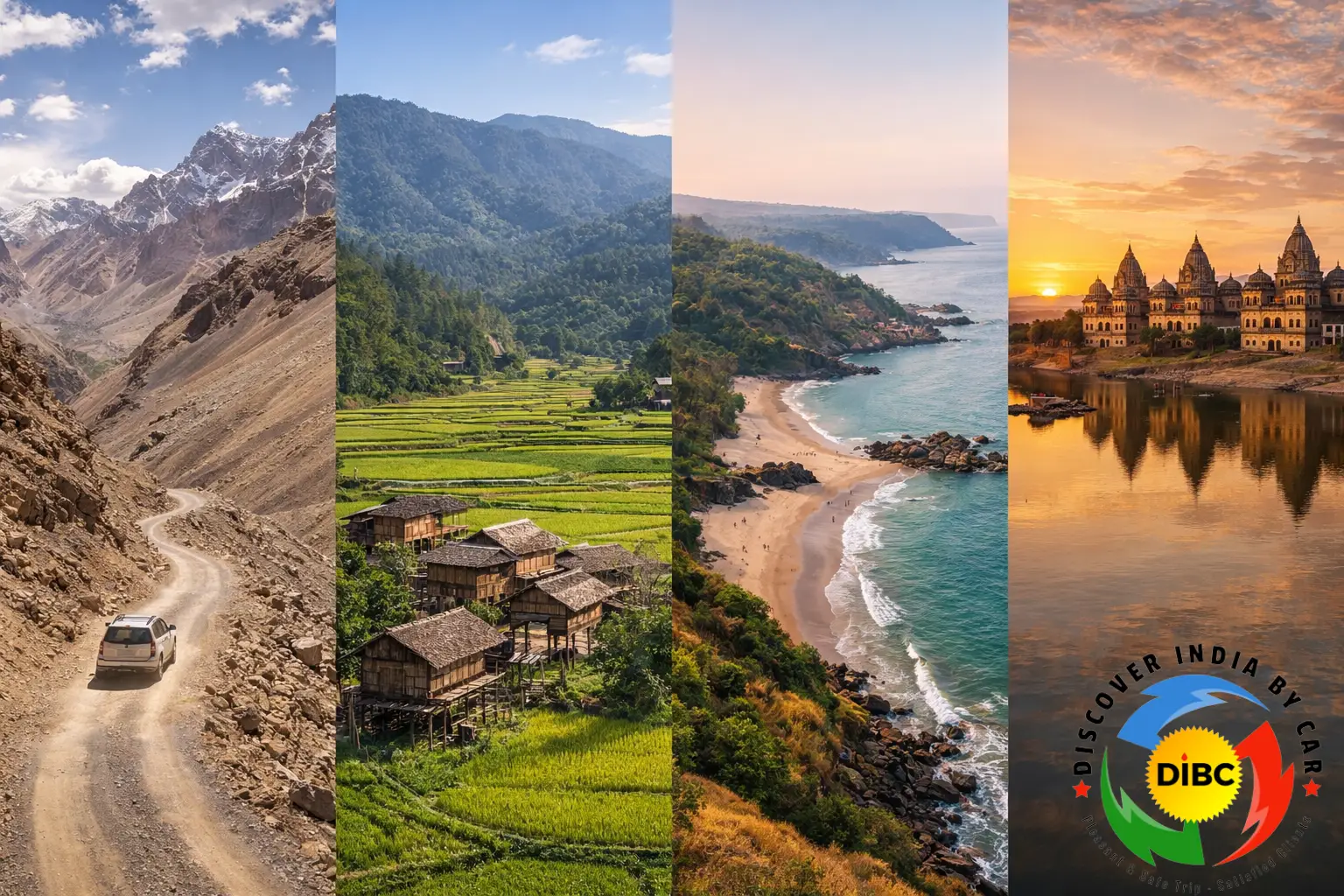
10 Underrated Places in India You Can Explore by Car
This section prioritizes the drive as much as the destination. India is not a point-to-point experience; the chaos and beauty happen in the transit.
Ziro Valley, Arunachal Pradesh
The Anti-Tourist Tribal Heartland
- Why it’s underrated: It requires effort (permits and long drives) to reach, filtering out casual tourists.
- Why foreign travelers appreciate it: The Apatani tribal culture is unique globally (famed for facial tattoos and sustainable agriculture). It feels removed from modern time.
- Best Road Route: Fly to Guwahati (Assam) → Drive via NH15 to Tezpur → NH13 to Ziro. (Approx. 12 hours total driving, best broken into two days).
- Road Condition Reality: The Assam stretch is decent; the climb into Arunachal (NH13) involves unpredictable tarmac, mud tracks during rain, and frequent construction delays.
- Driving Difficulty: Hard. Mountain driving with limited signage.
- Permit Notes: Foreigners require a Protected Area Permit (PAP). This must be arranged 2-4 weeks in advance via Indian missions or authorized tour operators.
- Who Should Avoid: Travelers prone to motion sickness.
- Best Season: March to May (Pleasant) or September (Ziro Music Festival). Avoid Monsoon (June-August).
- What typical blogs miss: The “rice beer” etiquette. When offered, it is polite to accept a sip.
- Micro-Detail: Notice the intricate bamboo engineering of the bridges you drive over near the villages; they are stronger than they look.
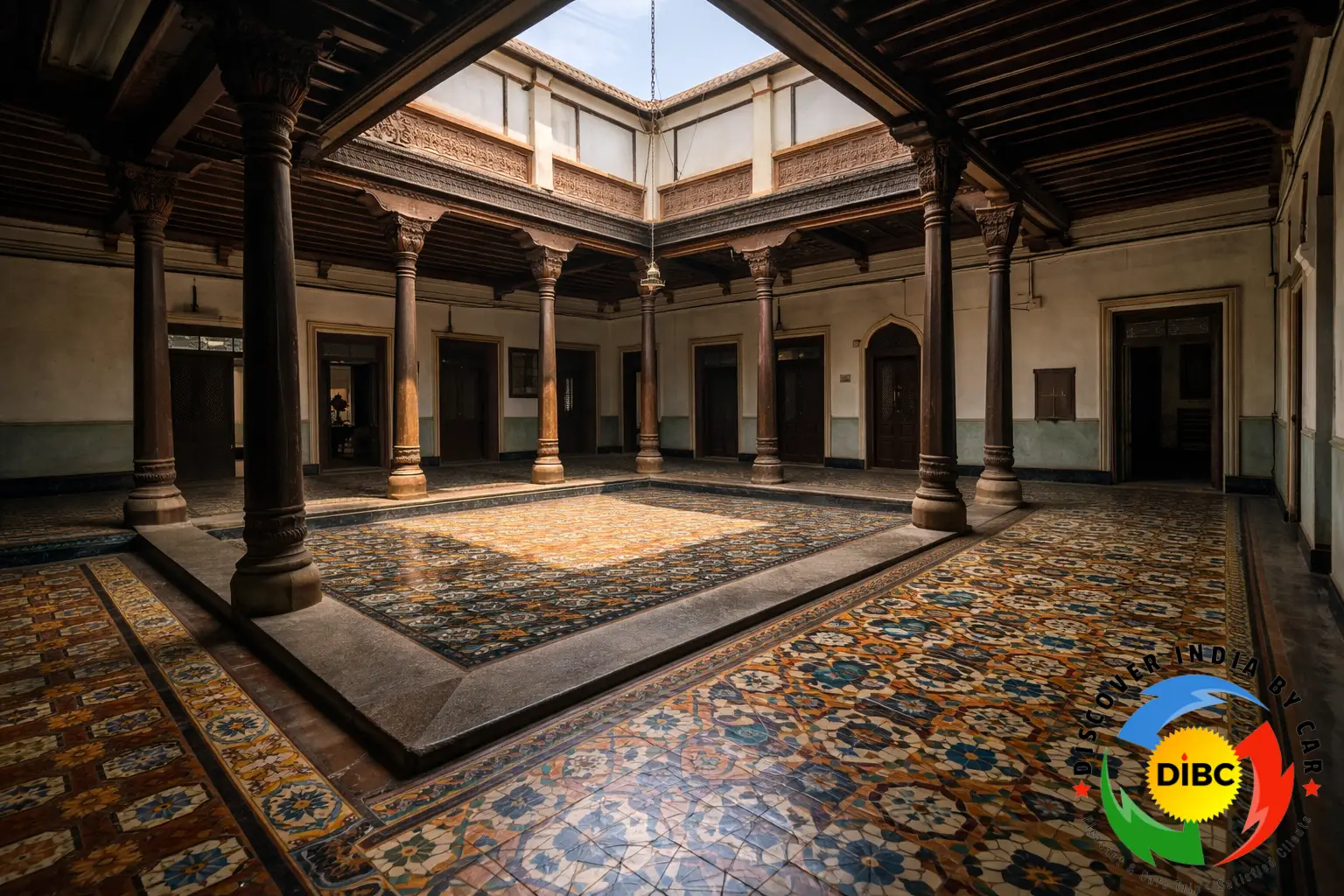
Chettinad, Tamil Nadu
The Land of Forgotten Mansions
- Why it’s underrated: Often overshadowed by the temple cities of Madurai and Tanjore.
- Why foreign travelers appreciate it: It offers an eerie, cinematic atmosphere. Thousands of palatial 19th-century mansions sit empty or semi-occupied, showcasing a mix of Victorian and Dravidian architecture.
- Best Road Route: Fly to Madurai → Drive via NH38 and local state highways to Karaikudi. (Approx. 2 hours).
- Road Condition Reality: Excellent. Tamil Nadu has some of the best tarmac in India. Single-lane village roads are narrow but smooth.
- Driving Difficulty: Easy. Flat terrain, polite driving culture compared to the north.
- Permit Notes: None.
- Who Should Avoid: Those seeking nightlife; this is a sleepy region that shuts down at 8 PM.
- Best Season: November to February. Summers are brutally hot (40°C+).
- What typical blogs miss: Many mansions are private properties. You cannot just walk in. You need to ask locals or find “museum” converted houses.
- Micro-Detail: Watch for the specific “Athangudi tiles” in local shops—handmade, distinctively patterned, and heavy.
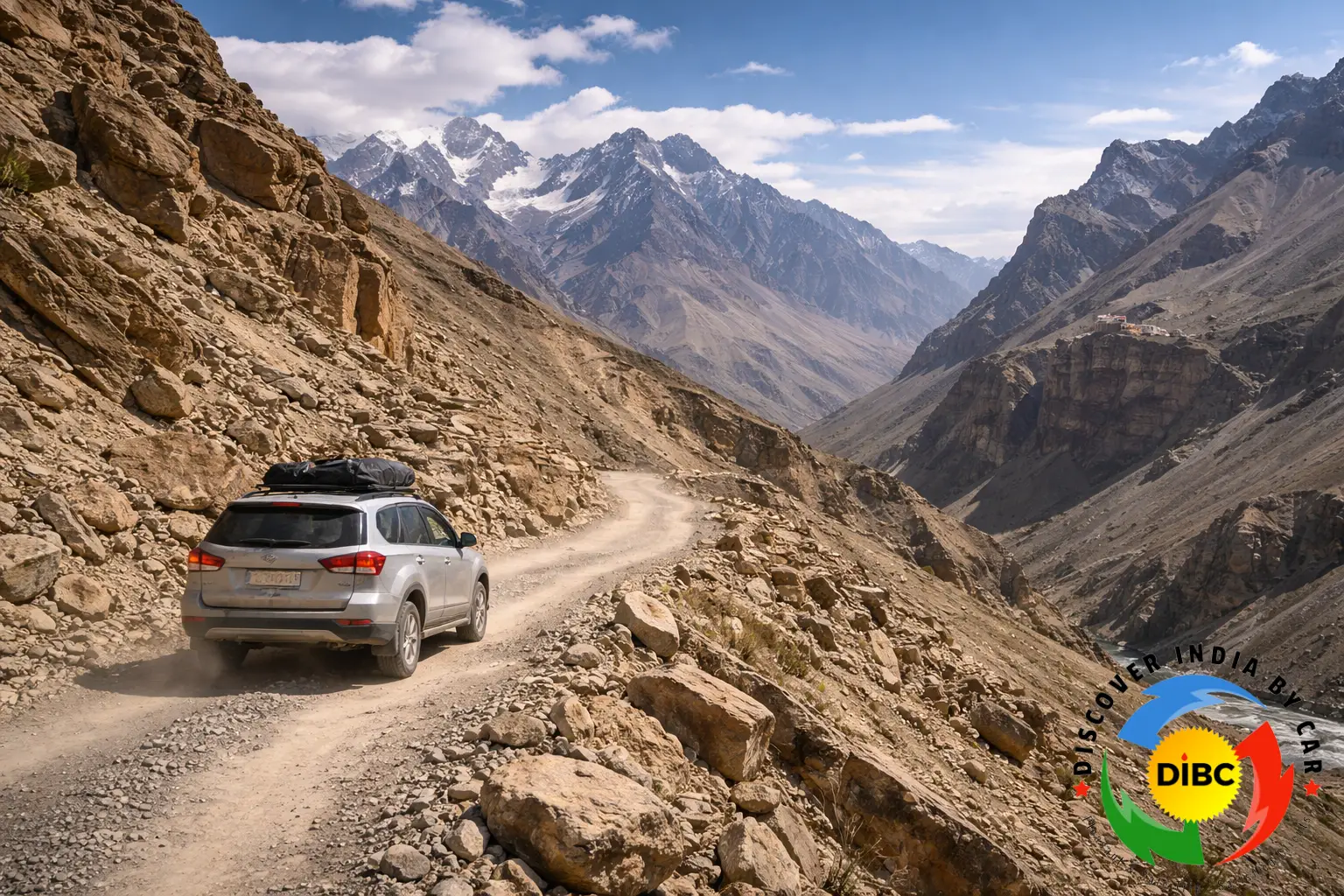
Spiti Valley, Himachal Pradesh
The Raw Alternative to Ladakh
- Why it’s underrated: Ladakh has become commercialized. Spiti remains a raw, dusty adventure with starker isolation.
- Why foreign travelers appreciate it: Tibetan Buddhist culture, centuries-old monasteries (Key, Tabo), and landscapes that look like Mars.
- Best Road Route: Two loops. Best entry for altitude acclimation: Shimla → Kinnaur → Spiti. Exit via Manali. (NH5 & NH505).
- Road Condition Reality: Harsh. The stretch from Kaza to Manali (Kunzum Pass) is essentially driving on a riverbed of rocks. “Road” is a suggestion here.
- Driving Difficulty: Hard / Expert. High altitude (12,000ft+), sheer cliffs, water crossings (nalas).
- Permit Notes: Foreigners need Protected Area Permits for the Tabo-Kaza stretch (close to Tibet border). Obtainable in Shimla or Rekong Peo.
- Who Should Avoid: Anyone with heart/lung conditions or fear of heights.
- Best Season: June to September. The roads are snowed in the rest of the year.
- What typical blogs miss: The lack of fuel stations. Between Powari and Kaza, there is virtually nothing. Carry jerry cans.
- Micro-Detail: Driving past the “Malling Nallah,” look up; rocks frequently fall here. It’s known as the most dangerous point on the loop.
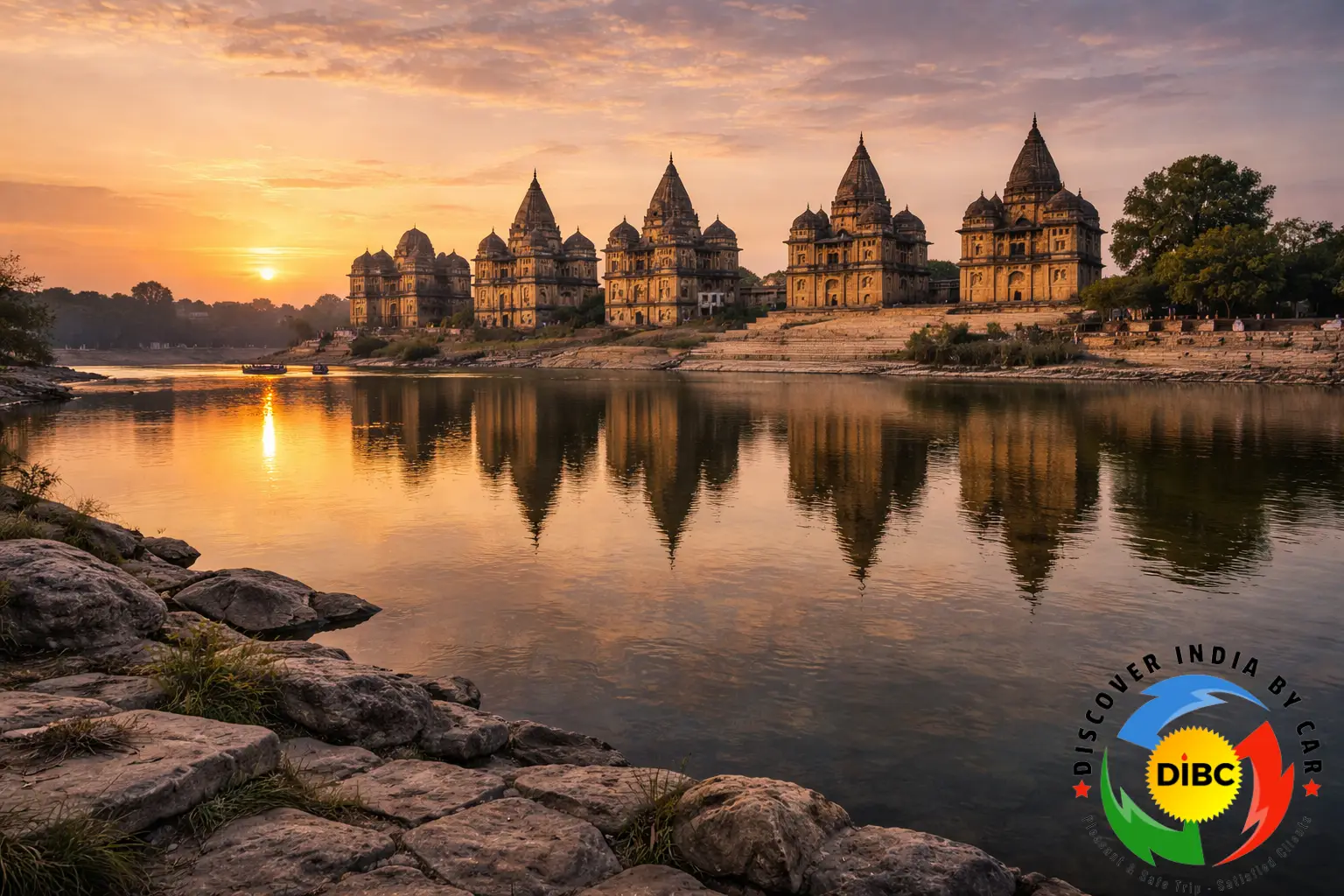
Orchha, Madhya Pradesh
The Time-Capsule Citadel
- Why it’s underrated: Tourists rush from Agra to Khajuraho, bypassing this riverside gem.
- Why foreign travelers appreciate it: It is incredibly walkable and chill. No touts, no aggressive selling—just massive cenotaphs reflecting in the Betwa River.
- Best Road Route: Jhansi is the nearest hub. Drive NH44 (North-South Corridor).
- Road Condition Reality: NH44 is a world-class multi-lane highway. The last 15km into Orchha is a narrower state road but manageable.
- Driving Difficulty: Easy.
- Permit Notes: None.
- Who Should Avoid: Travelers expecting luxury shopping.
- Best Season: October to March.
- What typical blogs miss: The “Ram Raja Temple” is the only place in India where Lord Rama is worshipped as a King, not a God. Police offer a gun salute daily.
- Micro-Detail: Sunset view from the Betwa river bridge involves dodging cows and auto-rickshaws, but the light hitting the Chatris is photographer gold.
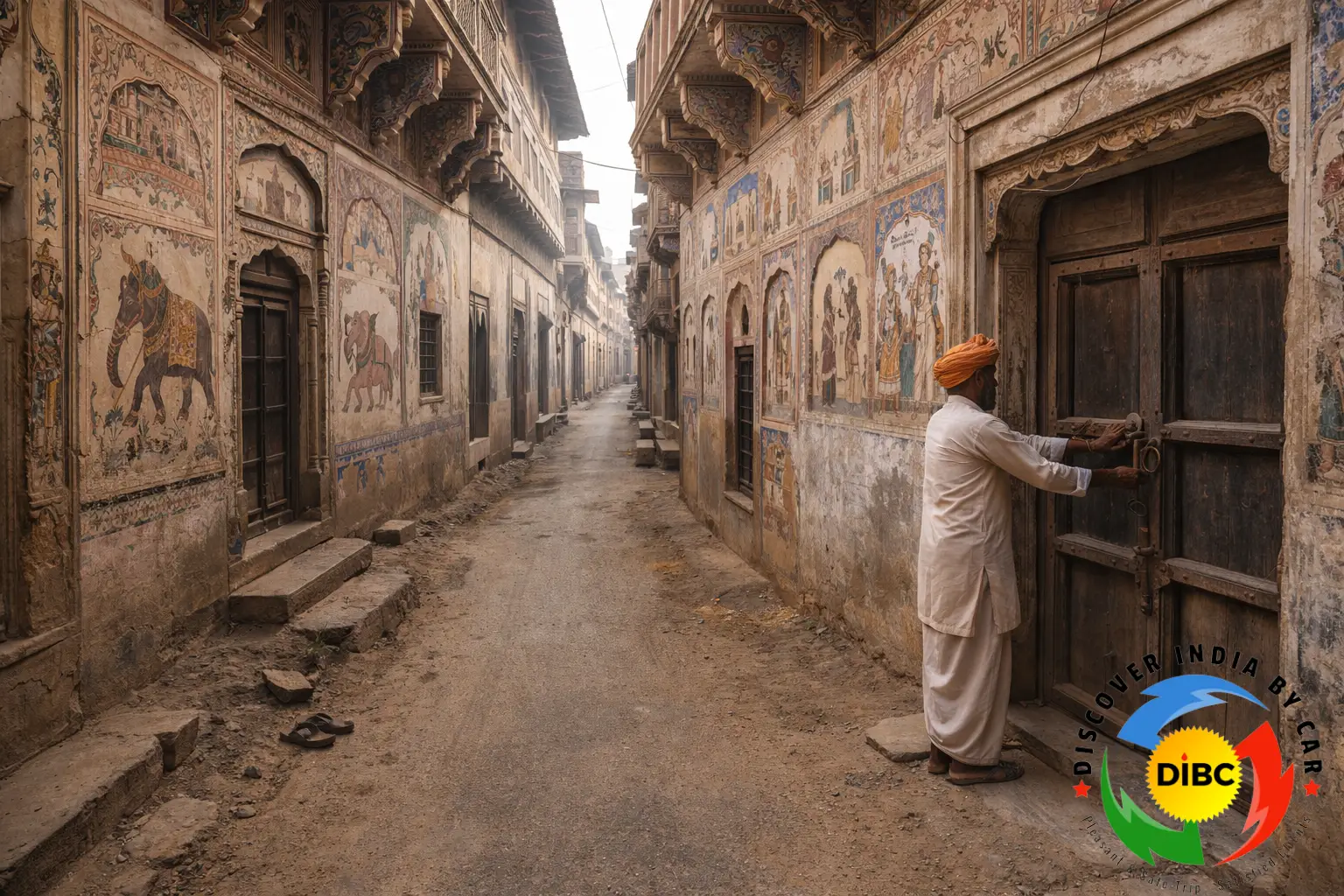
Shekhawati, Rajasthan
The Open-Air Art Gallery
- Why it’s underrated: Everyone goes to Jaipur/Udaipur. Shekhawati is a cluster of towns (Mandawa, Fatehpur, Nawalgarh) often skipped.
- Why foreign travelers appreciate it: Incredible fresco paintings on havelis (mansions). It’s quiet and offers a rural look at Rajasthan.
- Best Road Route: Delhi → NH9 or NH48 → Mandawa. (Approx. 5-6 hours).
- Road Condition Reality: Good highway until you exit onto state roads. Watch for high speed bumps in villages that are unmarked.
- Driving Difficulty: Moderate.
- Permit Notes: None.
- Who Should Avoid: Those who get “fort fatigue.” If you’ve seen 10 forts, this might feel repetitive.
- Best Season: October to March.
- What typical blogs miss: The best frescos are often in abandoned, locked havelis. You have to pay the chowkidar (caretaker) ₹100-200 to open them up.
- Micro-Detail: Navigating the narrow alleys of Fatehpur requires folding in your side mirrors.
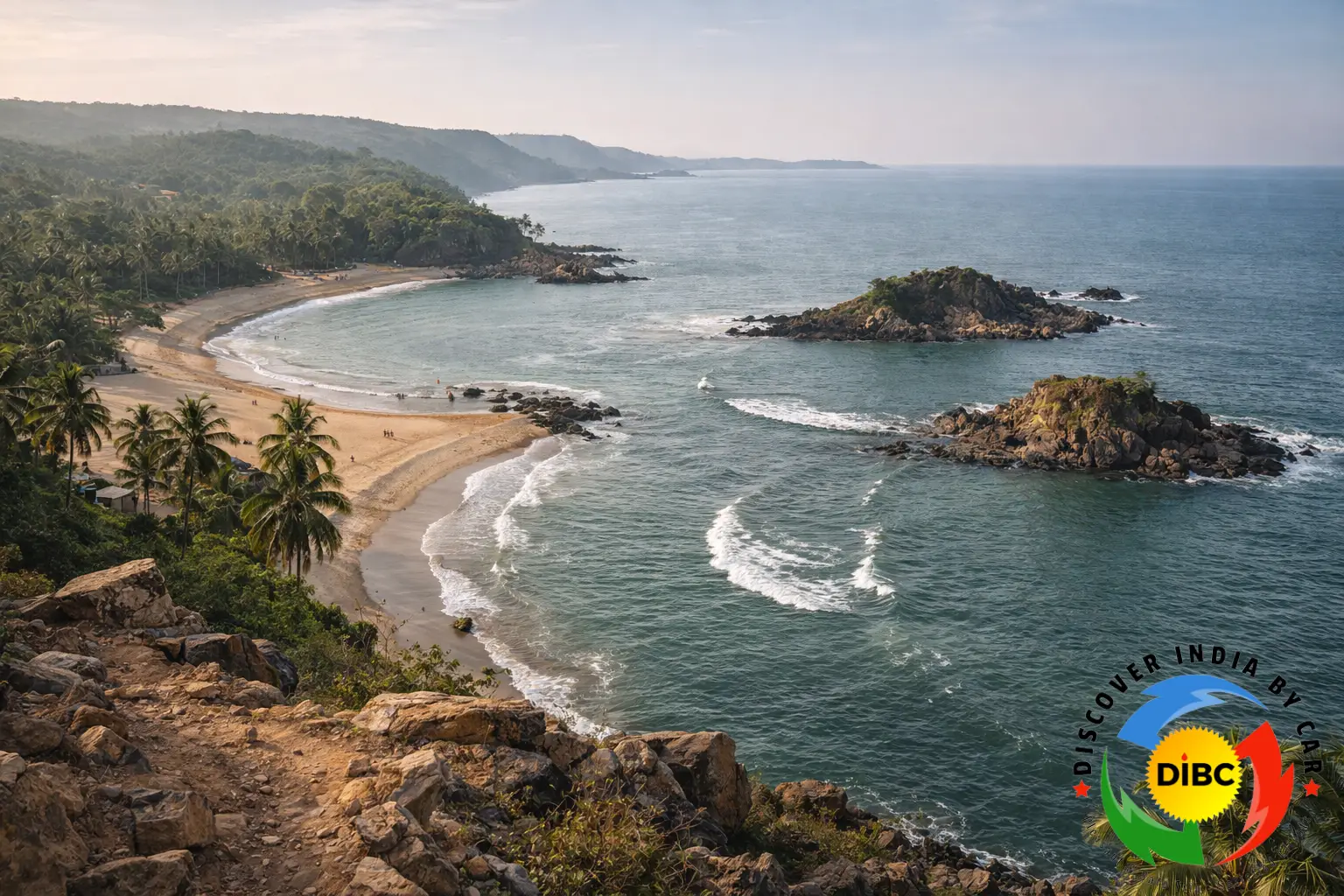
Gokarna, Karnataka
What Goa Used to Be
- Why it’s underrated: It is technically a temple town, so the party crowd avoids it.
- Why foreign travelers appreciate it: Pristine beaches (Om, Kudle) intersected by hiking trails on cliffs. A perfect mix of spirituality and chill.
- Best Road Route: Mangalore → NH66 → Gokarna. Or from Goa (South) driving South.
- Road Condition Reality: NH66 is scenic and largely smooth, though road widening projects create sudden diversions.
- Driving Difficulty: Moderate. Winding coastal roads.
- Permit Notes: None.
- Who Should Avoid: Clubbers. Alcohol is restricted in the main town (sacred) but available at beach shacks.
- Best Season: November to February.
- What typical blogs miss: The drive up to the Om Beach parking lot is extremely steep with a sharp hairpin bend. Heavy SUVs need first gear.
- Micro-Detail: Police presence is higher on roads leading to Gokarna to check for alcohol transport.
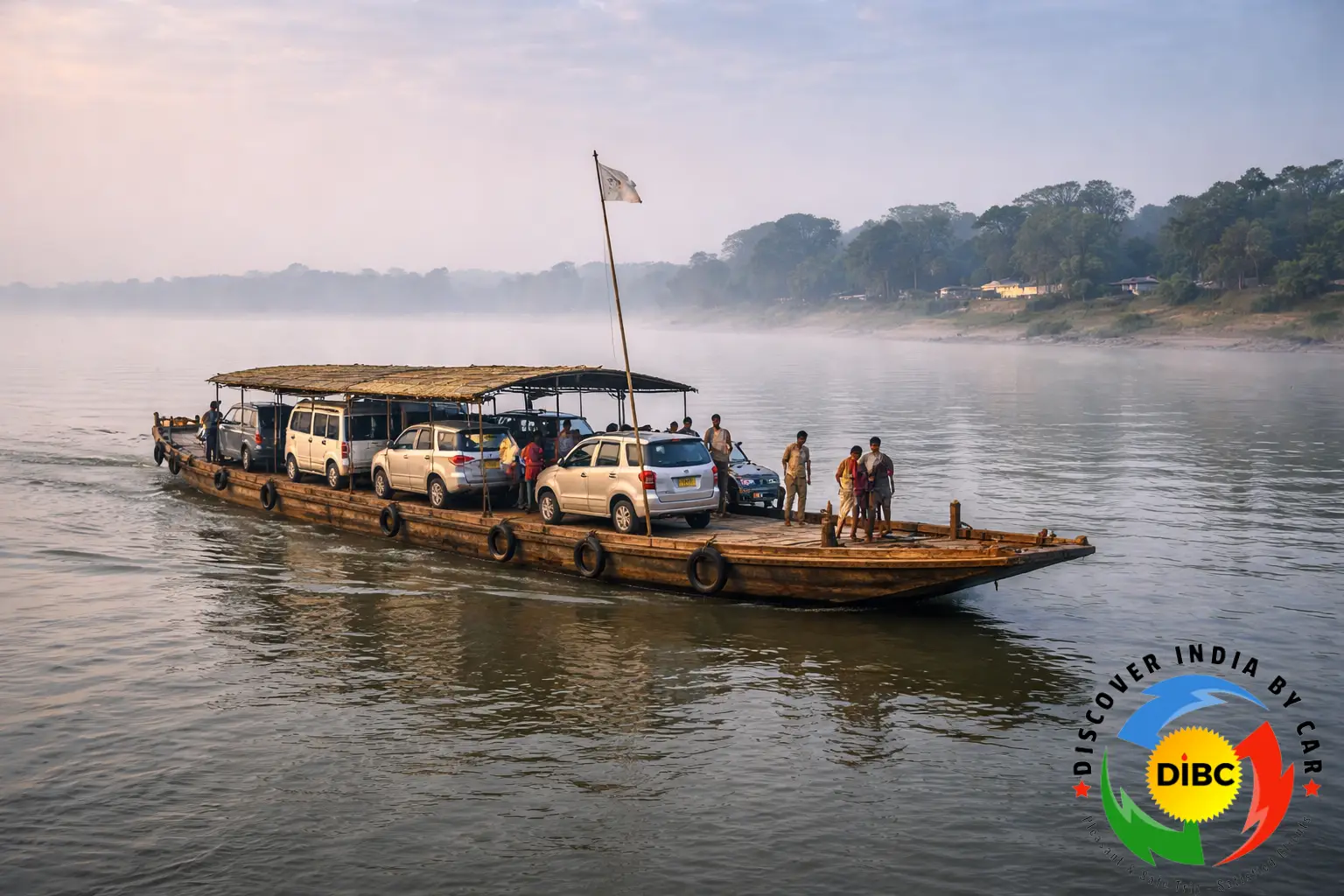
Majuli, Assam
The Disappearing River Island
- Why it’s underrated: Logistics. You must drive to the ghat and take a ferry (with your car).
- Why foreign travelers appreciate it: The Neo-Vaishnavite monasteries (Satras) and the serene, water-locked lifestyle.
- Best Road Route: Guwahati → NH27 → Jorhat → Neemati Ghat → Ferry.
- Road Condition Reality: NH27 is decent. The ferry loading process is chaotic and terrifying for first-timers (two wooden planks bridging the boat and shore).
- Driving Difficulty: Moderate (Logistic difficulty: High).
- Permit Notes: None for the island itself (unless accessing from Arunachal side).
- Who Should Avoid: Impatient travelers. Ferries run on “Assam time.”
- Best Season: November to March.
- What typical blogs miss: The mask-making culture at Samaguri Satra. It’s an art form, not just a souvenir.
- Micro-Detail: While driving on the island, watch out for bamboo bridges that may not support heavy SUVs. Ask locals before crossing minor streams.
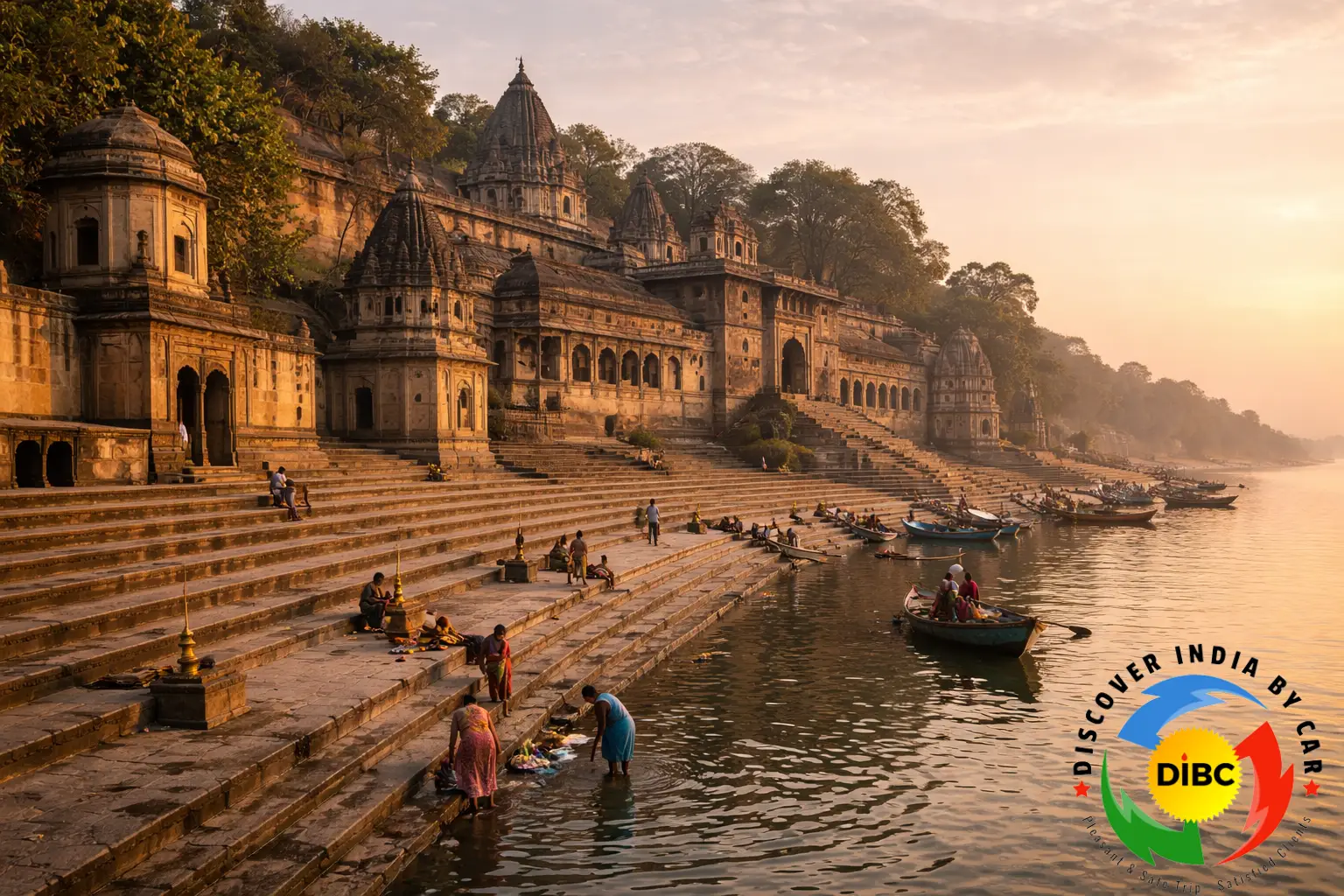
Maheshwar, Madhya Pradesh
Spiritual Minimalism
- Why it’s underrated: Located near Indore, often skipped for Ujjain.
- Why foreign travelers appreciate it: It has the grandeur of Varanasi but 10% of the filth and crowd. You can sit on the Narmada ghats in peace.
- Best Road Route: Indore → NH52/National Highway 3 → Maheshwar.
- Road Condition Reality: Mostly flat, arid plains with good tarmac.
- Driving Difficulty: Easy.
- Permit Notes: None.
- Who Should Avoid: Those who get diverse cuisine; it is strictly vegetarian and limited in options.
- Best Season: October to March.
- What typical blogs miss: Ahilya Fort (where you can stay) has one of the best slow-food experiences in India.
- Micro-Detail: The handloom weaving sounds permeate the streets—this is the home of Maheshwari saris.
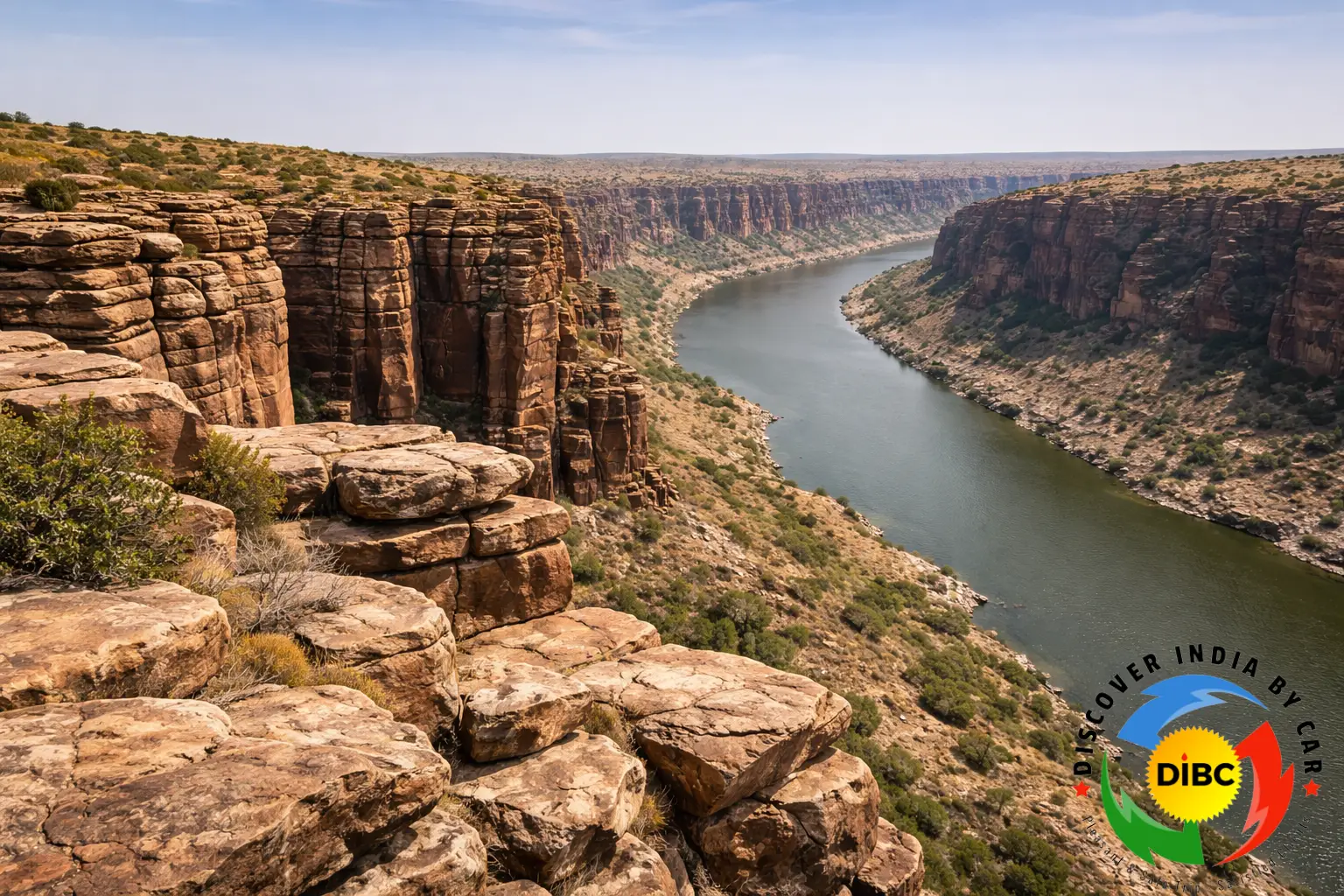
Gandikota, Andhra Pradesh
The Grand Canyon of India
- Why it’s underrated: It is in the middle of nowhere. Infrastructure is basic.
- Why foreign travelers appreciate it: Geological marvel. The Pennar river gorge is stunning and totally unfenced/wild.
- Best Road Route: Bangalore → NH44 → Anantapur → Tadipatri → Gandikota.
- Road Condition Reality: NH44 is flawless. The last 30km is through dry, dusty scrubland on single-lane tarmac.
- Driving Difficulty: Moderate. Heat management is key.
- Permit Notes: None.
- Who Should Avoid: Travelers who need AC cafes. There is almost nothing here.
- Best Season: September to February.
- What typical blogs miss: The wind speed on the gorge edge is strong enough to knock over camera tripods.
- Micro-Detail: Carry cash. The nearest reliable ATM is 45 minutes away in Jammalamadugu.
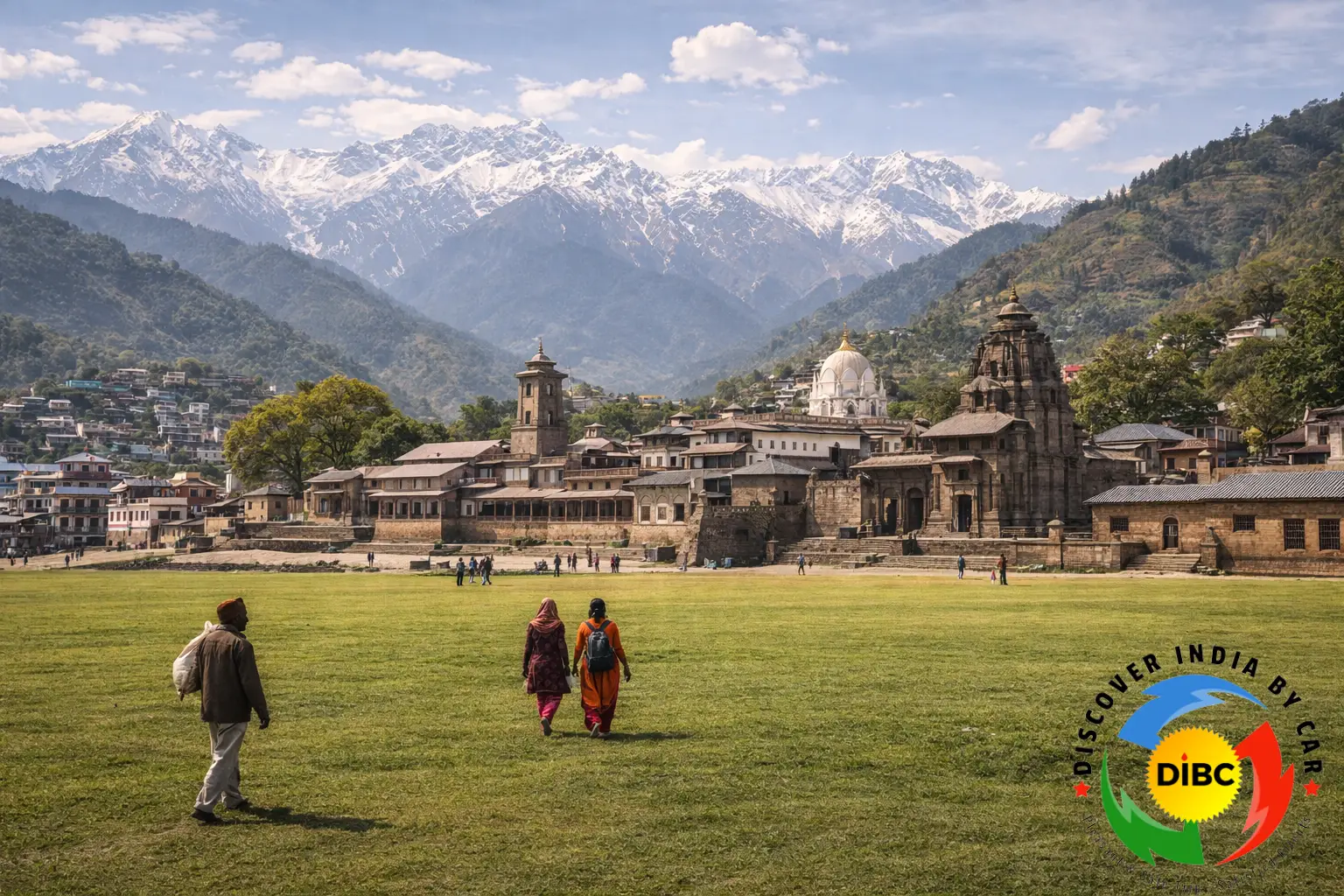
Chamba & Bharmour, Himachal Pradesh
Ancient Himachal
- Why it’s underrated: Tourists stop at Dalhousie. Chamba is further in.
- Why foreign travelers appreciate it: 1000-year-old temples that are still active, and alpine meadows without commercial hotels.
- Best Road Route: Pathankot → Banikhet → Chamba.
- Road Condition Reality: Narrow, serpentine mountain roads. Landslide prone during monsoon.
- Driving Difficulty: Moderate/Hard.
- Permit Notes: None.
- Who Should Avoid: Those who get car sick on twists.
- Best Season: March to June.
- What typical blogs miss: The Chaugan (grassy meadow) in the center of Chamba town is the social hub; great for people watching in the evening.
- Micro-Detail: Beware of local buses. They drive aggressively on these curves. Always yield to them on the mountain side.
Quick Comparison: Which Underrated Destination Fits You?
Destination | Driving Difficulty | Permit Needed (Foreigners) | Best For |
Spiti Valley | Expert / Hard | Yes (Protected Area) | Adventure & Isolation |
Ziro Valley | Hard | Yes (Protected Area) | Tribal Culture |
Chettinad | Easy | No | Architecture & Food |
Orchha | Easy | No | Relaxed History |
Gandikota | Moderate | No | Landscapes |
Gokarna | Moderate | No | Beach & Spirituality |
Majuli | Moderate (Ferry) | No | Unique River Life |
How to Choose the Right Underrated Destination in India
With over a dozen valid options, selecting from these underrated places in India for foreign tourists depends largely on your tolerance for logistics versus your desire for creature comforts. Use this decision framework:
- If you crave Silence & Spirituality: Choose Maheshwar or Gokarna. These require minimal logistical stress and offer high relaxation.
- If you are a Hardcore Driver/Adventurer: Choose Spiti Valley or Ziro Valley. These routes require robust vehicles (SUVs) and patience with permits.
- If you love History & Architecture: Choose Chettinad, Orchha, or Shekhawati. These are generally accessible via smooth highways and offer deep cultural immersion.
- If you want Wilderness: Choose Gandikota or Majuli. Be prepared for basic amenities and unreliable cellular data.
Bonus: Hidden Gems in Meghalaya, Tawang & Rajasthan
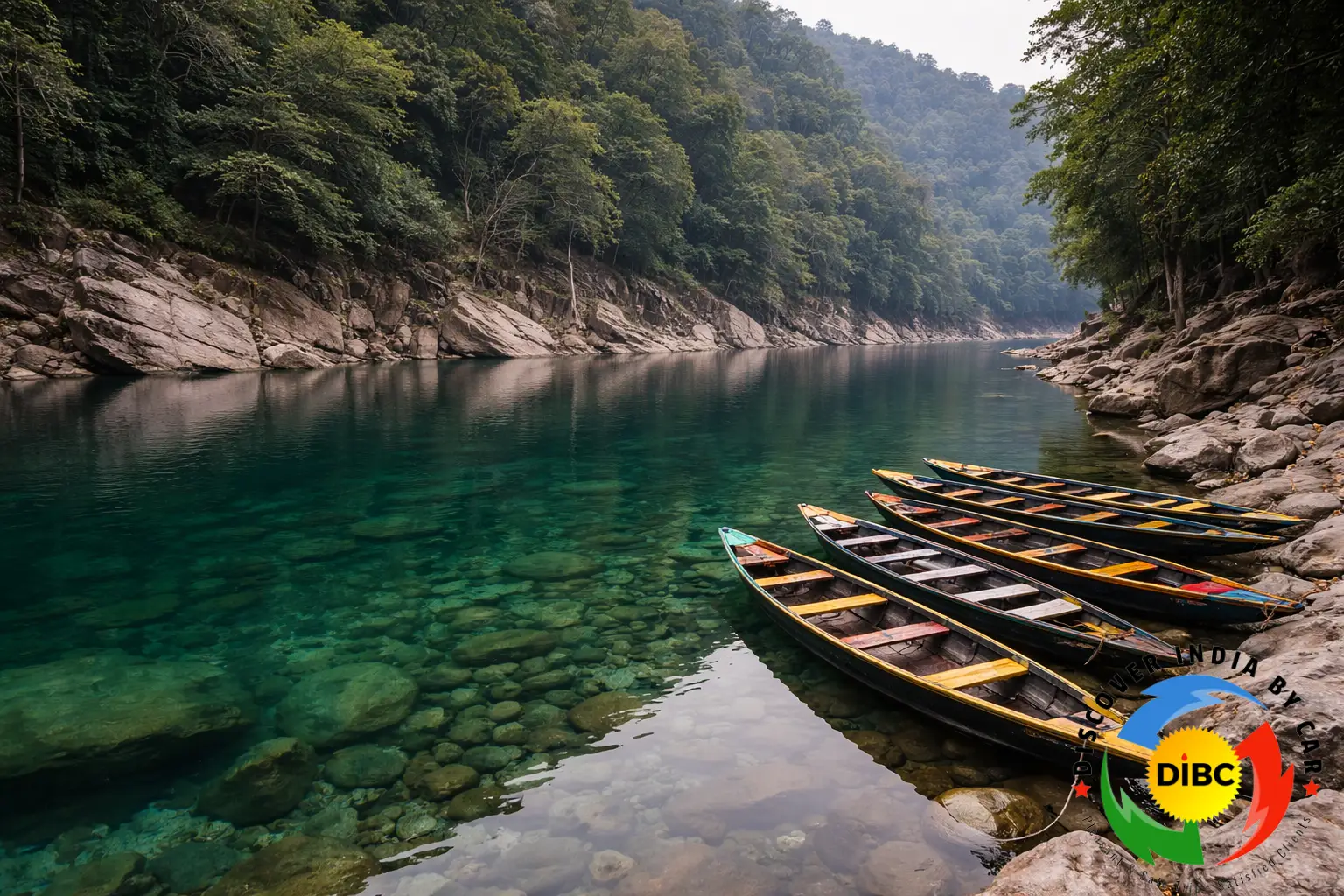
While the top 10 list covers major zones, three specific clusters deserve mention for travelers willing to extend their road trip.
Meghalaya Hidden Gems: Beyond the famous Living Root Bridges of Cherrapunji, look for Shnongpdeng (for crystal clear river boating) and the sacred groves of Mawphlang. The roads here wind through cloud-covered limestone cliffs, offering some of the most surreal drives in the Northeast.
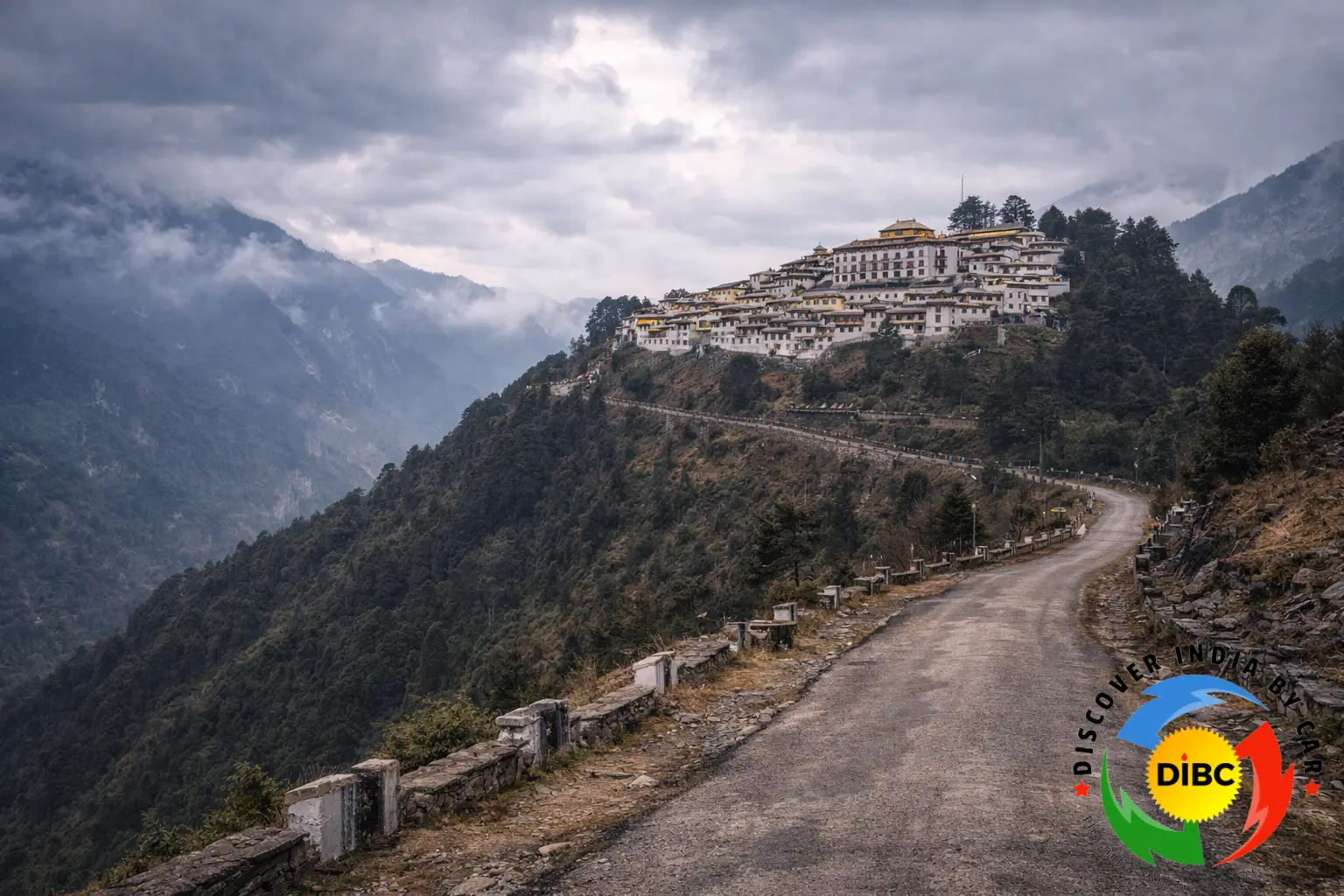
Tawang Travel Guide Extension: If you conquer the drive to Arunachal (Ziro), consider extending north to Tawang. It requires crossing the formidable Sela Pass (13,700 ft). This is a high-security military zone near the China border; ensure your PAP (Protected Area Permit) explicitly includes Tawang district.
Bundi Travel & Osian Desert Village: For those finding the main Rajasthan circuit too commercial, detour to Bundi. Known for its unrenovated, blue-hued alleys and the massive Taragarh Fort, it feels like Jaipur fifty years ago. Similarly, drive to Osian near Jodhpur for 8th-century temples and desert dunes minus the “resort camps” of Jaisalmer.
Where Do Foreigners Go in India Besides the Taj Mahal?
Many sophisticated travelers search for alternatives to avoid the crowds of the Golden Triangle. Here is where the experienced expats and foreign tourists actually go:
- Hampi, Karnataka: For bouldering and ancient ruins (an excellent alternative to the chaotic north).
- Northeast India: specifically the tribal belts of Nagaland and Arunachal Pradesh for ethno-tourism.
- The Himalayas (Ladakh & Spiti): For high-altitude motorcycle and SUV expeditions.
- Pondicherry: For the French colonial vibe and European-style cafes.
- Coastal Kerala: specifically Varkala (cliffs) or Marari (quiet beaches), rather than the crowded Kovalam.
- Madhya Pradesh: For tiger safaris (Kanha, Bandhavgarh) and heritage towns like Orchha.
Why Is Search Interest Shifting?
You are likely reading this because you are suffering from “Taj Mahal fatigue.” Search behaviours globally are shifting. Queries for “non-touristy India” and “hidden gems” have spiked by over 40% in the last three years.
Why?
- Over-tourism: Major sites have become exercises in crowd management rather than cultural immersion.
- The Instagram Effect: ironically, seeing the same photo of the Jaipur City Palace a thousand times decreases the desire to go there. Travelers want the shot nobody else has.
- Road Infrastructure: India’s road network (Gadkari’s Expressway boom) has improved drastically, making remote areas accessible to vehicles that isn’t a 4×4 Jeep.
Is India Good for Offbeat Travel?
Yes, absolutely—provided you possess resilience and curiosity. India is excellent for offbeat travel because its sheer diversity means that alternative destinations in India for foreign travelers often differ radically in language, cuisine, and landscape from the main tourist hubs just 200km away.
- High Value: The cost of travel in offbeat zones (like rural Rajasthan or Andhra Pradesh) is significantly lower than in commercial hubs.
- Authenticity: You are treated as a guest, not a walking wallet. The interactions are unguarded and genuine.
- Safety: While infrastructure is thinner, violent crime against tourists is statistically lower in rural villages compared to metro cities.
If you are willing to trade the predictability of a tour bus for the autonomy of a road trip, India offers one of the deepest travel experiences on the planet.
Can Foreigners Travel to Remote Places in India?
Traveling offbeat requires a calibration of expectations.
Safety in Remote Areas
Ironically, remote villages in India are often safer for foreign tourists (including women) than major tourist hubs like Delhi or Agra. The “scam culture” exists where the money is. In places like Ziro or Spiti, the culture is rooted in hospitality (“Atithi Devo Bhava”), not transaction.
- Note on staring: In underrated places, you will be stared at. It is usually curiosity, not aggression. A smile and a “Namaste” usually breaks the tension immediately.
The Permit Puzzle
Northeast India: The Seven Sister states have strict entry rules.
- ILP (Inner Line Permit): For Indians.
- PAP (Protected Area Permit): For Foreigners. You usually cannot travel solo in protected areas (like Arunachal); a group of 2+ is often required, or a registered guide must accompany you.
Self-Drive vs. Chauffeur
We strongly recommend a Chauffeur for first-timers.
- Why? Indian highway driving involves unspoken rules. “Right of way” is determined by vehicle size.
- The DiscoverIndiaByCar Verdict: If you self-drive, choose an Automatic transmission SUV. If you want to relax and look out the window, hire a local driver who knows how to navigate police checkpoints and tire punctures.
Connectivity
- Sim Cards: Airtel and Jio work best in remote areas.
- Digital Payments: UPI (Google Pay/Paytm) works in 90% of India, but in tribal belts (Ziro, Bastar) or high Himalayas (Spiti), Cash is King. Carry small denominations (₹100, ₹50, ₹20 notes).
Planning an Offbeat India Itinerary by Road
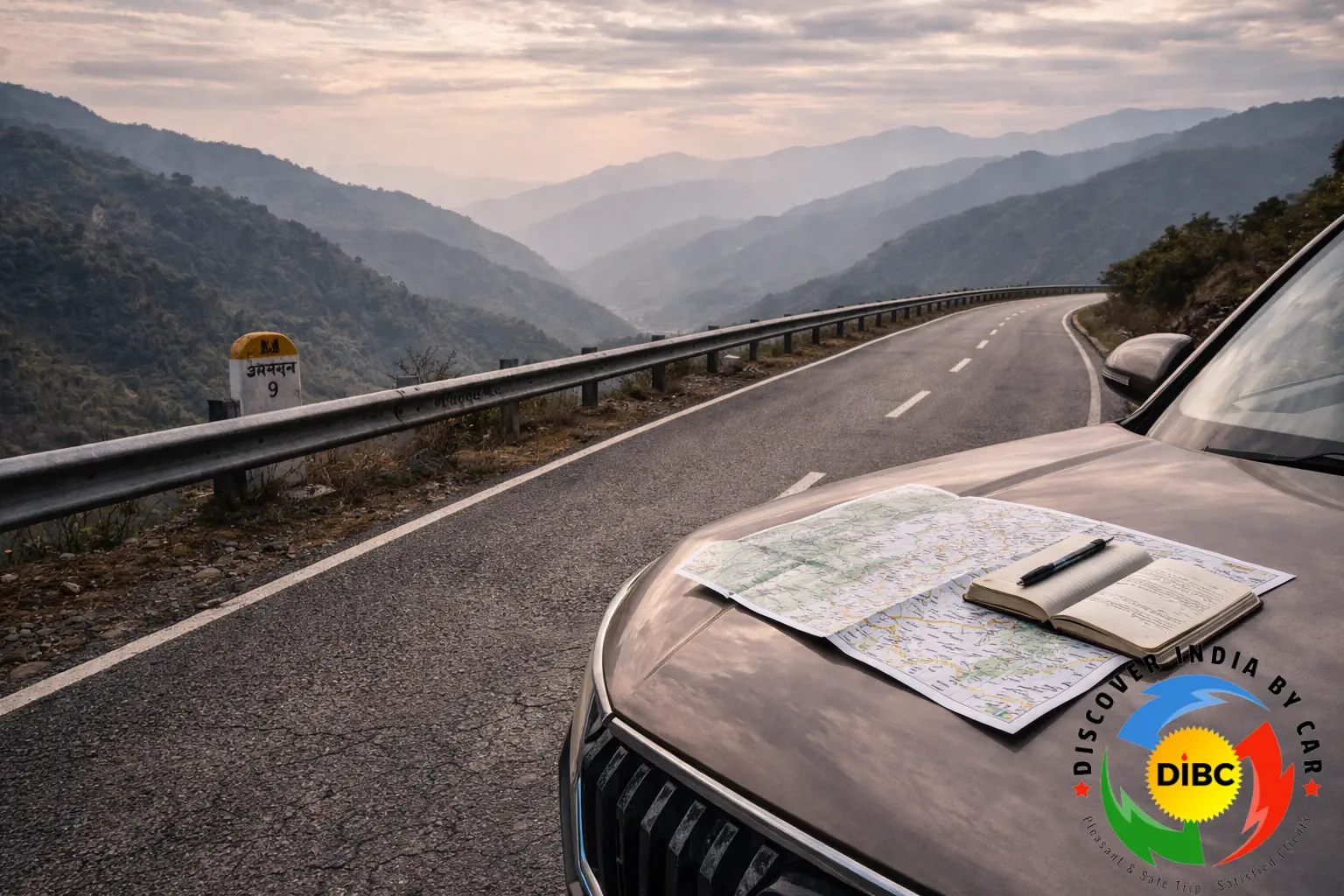
Building a successful offbeat India itinerary for foreigners requires understanding that distance does not equal time. In remote regions like Spiti or interior Arunachal, 100km can take 5 hours.
- Cap Your Driving: Never plan more than 250km (plain) or 150km (mountain) per day. Fatigue is a major safety risk on undivided highways. On a recent drive through NH505 near Kaza, we saw road conditions shift from smooth tarmac to riverbed gravel within minutes.
- Buffer Days: Mechanical failures happen. If your itinerary is tight, a single flat tire throws off the whole trip. Add one rest day for every 3 days of driving.
- Fuel Logic: Tank up whenever you see a reliable pump in rural areas; never let your gauge drop below 40%.
- Safety Check: If unsure whether to self-drive or hire a chauffeur, compare both approaches before committing to remote regions.
- Altitude Note: Before attempting high-altitude routes like Spiti, consult a detailed India road trip safety guide to understand AMS (Acute Mountain Sickness).
4 Road Trip Mini-Itineraries for the Explorer
If you want to plug these destinations into a logical loop, use these strategies:
The Himalayan High-Altitude Route
- Best for: Adventure enthusiasts, photographers.
- Route: Chandigarh -> Narkanda -> Sangla -> Spiti Valley (Kaza) -> Manali -> Chandigarh.
- Days: 9-11 Days.
- Driving: 5-7 hours/day. Hard terrain.
The Medieval Central Loop
- Best for: History buffs, easy driving.
- Route: Delhi -> Gwalior -> Orchha -> Khajuraho -> Panna Tiger Reserve -> Jhansi -> Delhi.
- Days: 6-7 Days.
- Driving: 4-5 hours/day. Smooth highways.
The Coastal Heritage Drive
- Best for: Slow travelers, foodies.
- Route: Goa (South) -> Gokarna -> Udupi -> Mangalore -> Bekal Fort.
- Days: 5-7 Days.
- Driving: 3-4 hours/day. Scenic, humid.
The Dravidian Deep-Dive
- Best for: Architecture lovers.
- Route: Trichy -> Chettinad (Karaikudi) -> Madurai -> Rameshwaram -> Madurai.
- Days: 5-6 Days.
- Driving: 3-4 hours/day. Cultural depth.
What Most Travel Blogs Won’t Tell You
This is the insider reality you need to know before turning the ignition key.
- The “Clean Toilet” Crisis
On underrated routes, Western-style sit-down toilets are rare. You will encounter squat toilets at petrol pumps.
- Strategy: Use restrooms at tolls (plazas) or decent looking restaurants. Always carry toilet paper and hand sanitizer. It is simply not available in rural washrooms.
- Police Checkposts are Real
In border states (Himachal, Rajasthan, Northeast), police checkposts will flag down cars with out-of-state license plates.
- The Drill: Have your Passport, Visa, International Driving Permit (IDP), and Vehicle Registration/Insurance ready. Be polite. It’s usually a quick document check, not a bribe extraction.
- Night Driving is a No-Go
Do not drive between cities after 9 PM.
- Why? High-beam usage by oncoming trucks blinds you. Stray cattle tend to sleep on the warm asphalt at night. Roads in underrated places are often unlit.
- The “Hotel” Definition
In places like Ziro or Spiti, “Luxury” means 24-hour running hot water and clean sheets. It does not mean room service and swimming pools. Reset your expectations to “Homestay” levels.
Final Thoughts & Navigation Strategy
The true essence of the subcontinent lies in these underrated places in India for foreign tourists. While the Golden Triangle offers grandeur, these ten destinations offer the gritty, unfiltered soul of the country.
DiscoverIndiaByCar specializes in minimizing the friction of these remote road trips. We bridge the gap between your desire for offbeat discovery and the realities of Indian highway logistics.
- Plan Permits Early: Especially for the Northeast (Ziro/Tawang).
- Vehicle Choice Matters: Prioritize ground clearance over luxury branding.
- Respect the Pace: “Slow travel” isn’t a trend here; it’s a requirement of the road conditions.
Start your engine. The real India is waiting down the road less traveled.
Frequently Asked Questions
Q1: Is it safe for solo female travelers to visit offbeat India?
A: Generally, yes. Remote communities (like Spiti, Northeast India) are matriarchal or respectful. However, avoid walking alone late at night in desolate areas. Dress modestly to blend in. Hiring a reputed chauffeur adds a safety layer.
Q2: Do I need an International Driving Permit (IDP) to drive in India?
A: Yes. Foreigners cannot drive on a home-country license alone. You must carry a valid IDP along with your original license. If stopped by police, failure to produce an IDP can lead to vehicle seizure.
Q3: Can I rent a self-drive car in remote locations?
A: Major rentals (Zoomcar, Revv) exist in metro hubs (Delhi, Bangalore, Guwahati). You won’t find rentals in the remote towns (like Ziro or Orchha). You must rent at the airport hub and drive out.
Q4: Are these underrated places vegetarian-only?
A: Towns like Pushkar, Rishikesh, and Maheshwar are strictly vegetarian for religious reasons. However, Northeast India (Ziro/Majuli) and Kerala/Goa are heavy meat-eaters. Always check “Pure Veg” signage on restaurants.
Q5: How reliable are Google Maps in these areas?
A: Reliable for major highways, but risky for “shortcuts.” In remote hills, Google Maps may suggest a “faster” route that is actually a dirt track. Always cross-reference with locals (“Is this road good for a car?”).
Q6: Is malaria a concern in these underrated spots?
A: In tropical and forest belts (Orchha, Majuli, Chettinad), mosquitoes are present. The high Himalayas (Spiti) are generally too cold for mosquitoes. Carry heavy-duty DEET repellent and consider antimalarial prophylaxis if visiting jungle zones post-monsoon.
Q7: Which places in India are not crowded?
A: To escape crowds, avoid easy-access cities. Places like Orchha, Maheshwar, and Ziro Valley remain uncrowded because they lack immediate airport access, requiring road travel. High-altitude destinations like Spiti also filter out mass tourism due to harsh acclimatization requirements.
Q8: Is Northeast India safe for tourists?
A: Yes, Northeast India is safe for tourists and renowned for tribal hospitality. However, foreign tourists must navigate the permit system (Protected Area Permit) carefully. States like Arunachal and Meghalaya are politically stable, but travel with a guide is recommended for language and checkpoint ease.