- Private car and driver in Delhi / India
- +91-8447445445
- info@discoverindiabycar.com sugar.ankit@yahoo.com
 +91-9818434712
- Follow us:



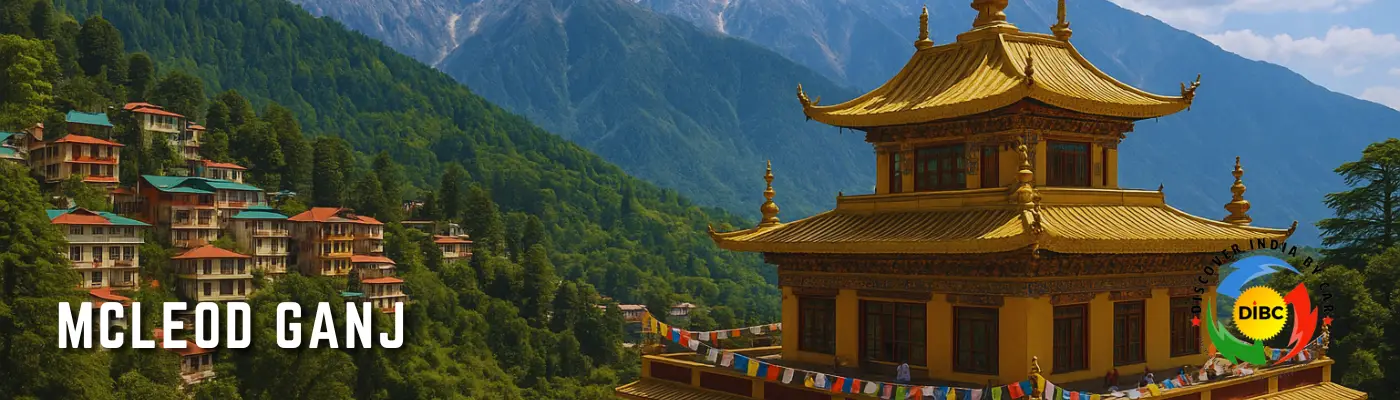
Why McLeod Ganj is Called Little Lhasa – Culture, Cafes & Treks You Can’t Miss!
McLeod Ganj – The Little Lhasa of India
The first thing that hits you when you get to McLeod Ganj isn’t the view—you’re usually too busy navigating the impossibly narrow, chaotic streets for that. No, the first thing is the sound. It’s a jumble of rattling prayer wheels, the distant drone of a monk’s chant, Hindi film music blasting from a shop, and a half-dozen languages all being spoken at once. Then comes the smell: a mix of juniper incense, frying momos, and the faint, ever-present whiff of diesel fumes.
It’s my favourite kind of chaos. And it’s the signature of McLeod Ganj. This isn’t just some Himalayan getaway; this is “Little Lhasa.”
For years, this place has pulled in a certain kind of person. You’ve got the fresh-off-the-plane backpackers with wide eyes, the seasoned yogis who seem to float through the crowds, the monks scrolling through their phones, and the digital nomads searching for a decent Wi-Fi signal with a mountain view. What do we all have in common? We’re all drawn to the town’s strange, beautiful energy.
One minute you’re learning about profound Tibetan culture in an ancient monastery, the next you’re elbow-deep in a cheesy pizza that has no business being this good, this high up a mountain. It’s a place for yoga & meditation, sure, but it’s also for punishing, soul-affirming trekking. It’s a town that grabs you.
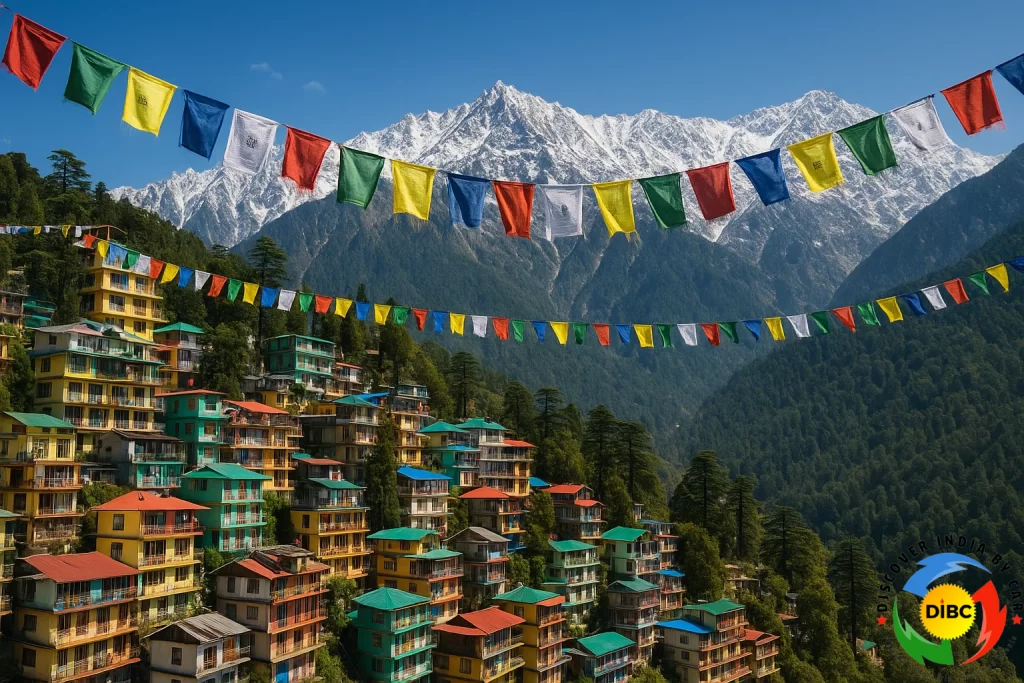
Why McLeod Ganj is Called Little Lhasa
So, about the nickname. It’s not a tourism board invention. It was earned through struggle and survival. The story that defines this town really kicks off in 1959. That was the year of the Tibetan Uprising, a desperate fight against the Chinese occupation.
When it failed, the 14th Dalai Lama, just a young man, had to flee his home in Lhasa, the capital of Tibet, undertaking an unthinkable journey across the Himalayas on foot.
India offered him refuge, and he eventually settled here, on this mountain ridge. He wasn’t just looking for a home; he was looking for a place to keep a nation’s spirit alive. He established the Tibetan Government-in-exile right here in this tiny town.
And like a beacon in the night, his presence drew thousands of Tibetan refugees who followed him, undertaking the same brutal journey to be near their leader. They didn’t just bring themselves; they brought their memories, their language, their religion, their art, their food.
They took the colonial-era shell of McLeod Ganj and gave it a new, beating heart. A Tibetan heart. That’s why today, you feel like you’re somewhere else entirely. It’s not a museum of Tibetan culture; it’s the living, breathing thing. That’s what Little Lhasa really means.
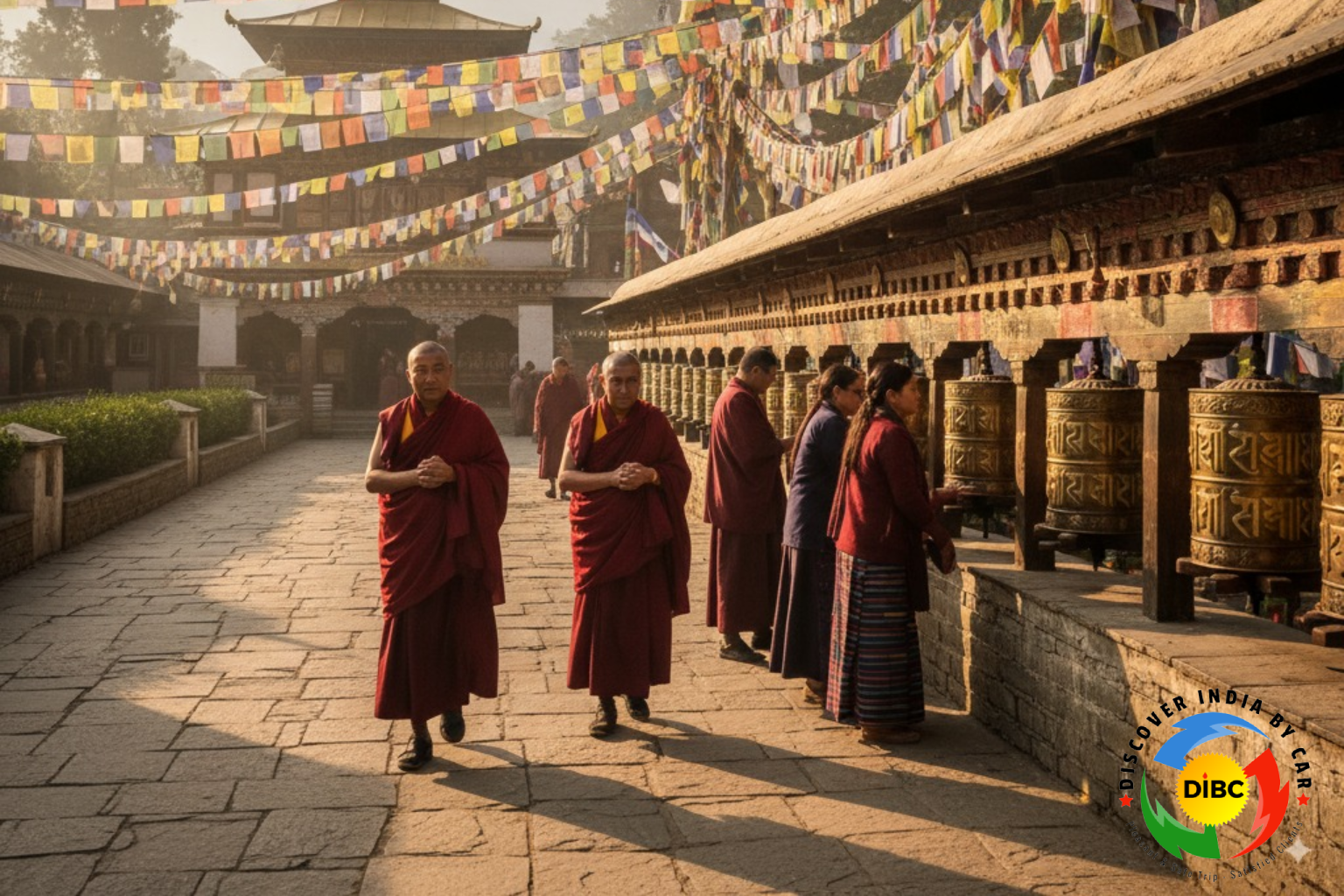
Top Things to Do in McLeod Ganj
You’re here. The bags are dropped. The big question: what now? Let me tell you, for a town this small, it packs a serious punch. You’re not going to be bored.
Visit the Dalai Lama Temple Complex (Tsuglagkhang)
This is it. This is the main event, the spiritual center of gravity for the entire town. It’s officially the Tsuglagkhang Complex, but everyone just calls it the Dalai Lama Temple. Even if His Holiness isn’t in residence, the place hums with a quiet, powerful energy.
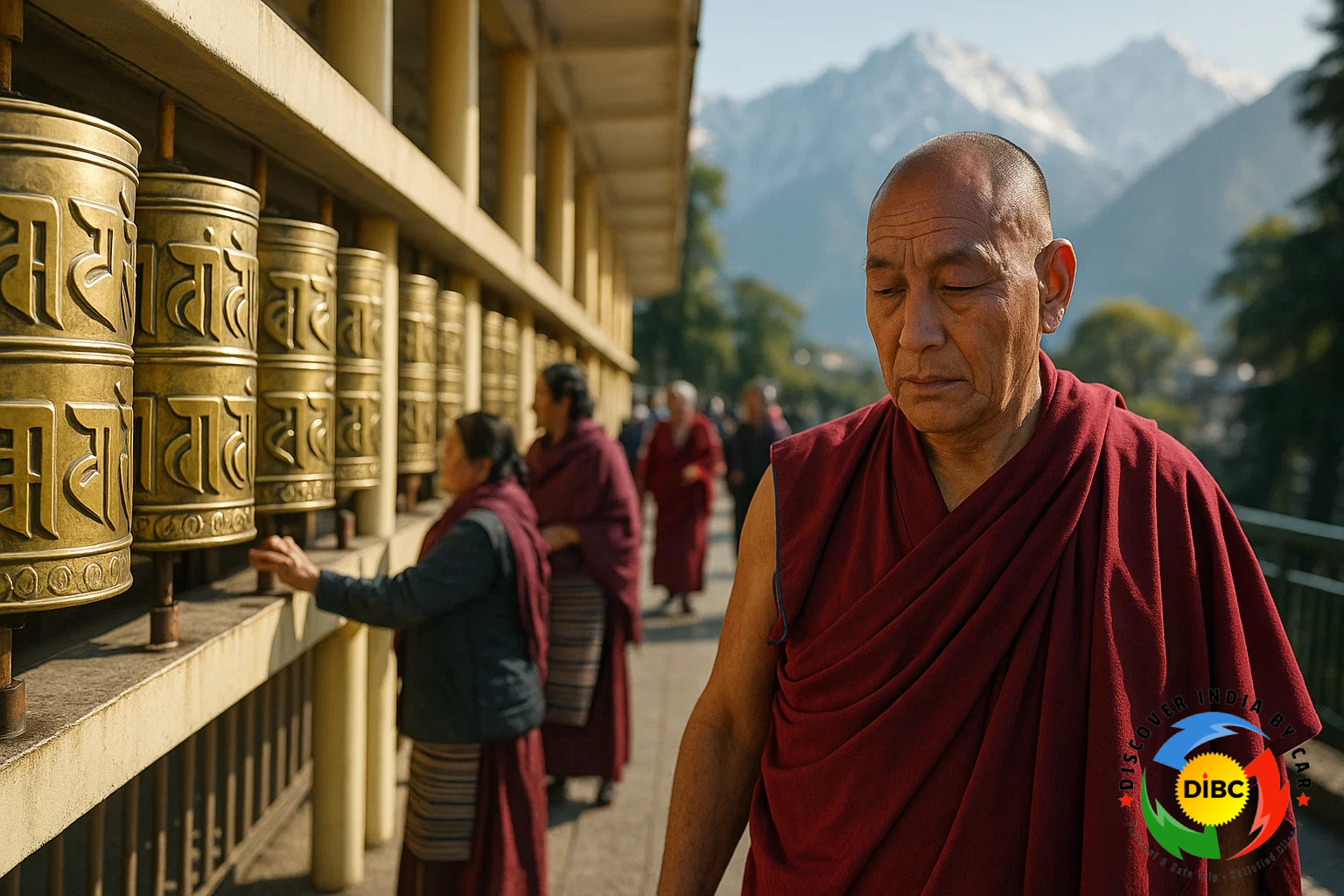
It’s an active place of worship, not a sterile tourist site. Find a spot and just watch for a while. You’ll see Tibetan elders making their slow, devoted rounds, spinning every prayer wheel they pass. You might see a group of young monks engaged in a loud, energetic debate—it’s how they learn, and it’s absolutely captivating. Inside, you’ll find incredible, detailed butter sculptures and sand mandalas.
But the best thing you can do is just join in. Walk the kora (the pilgrimage circuit) around the outside of the temple. Put your hand on a giant prayer wheel and give it a push. Feel the weight of it, hear it creak. It’s a simple act that connects you to the entire history of the place.
A tip from me to you: Check the Dalai Lama’s schedule on his official website before your trip. He holds public teachings a few times a year. If you can time it right, it’s something you will never, ever forget.
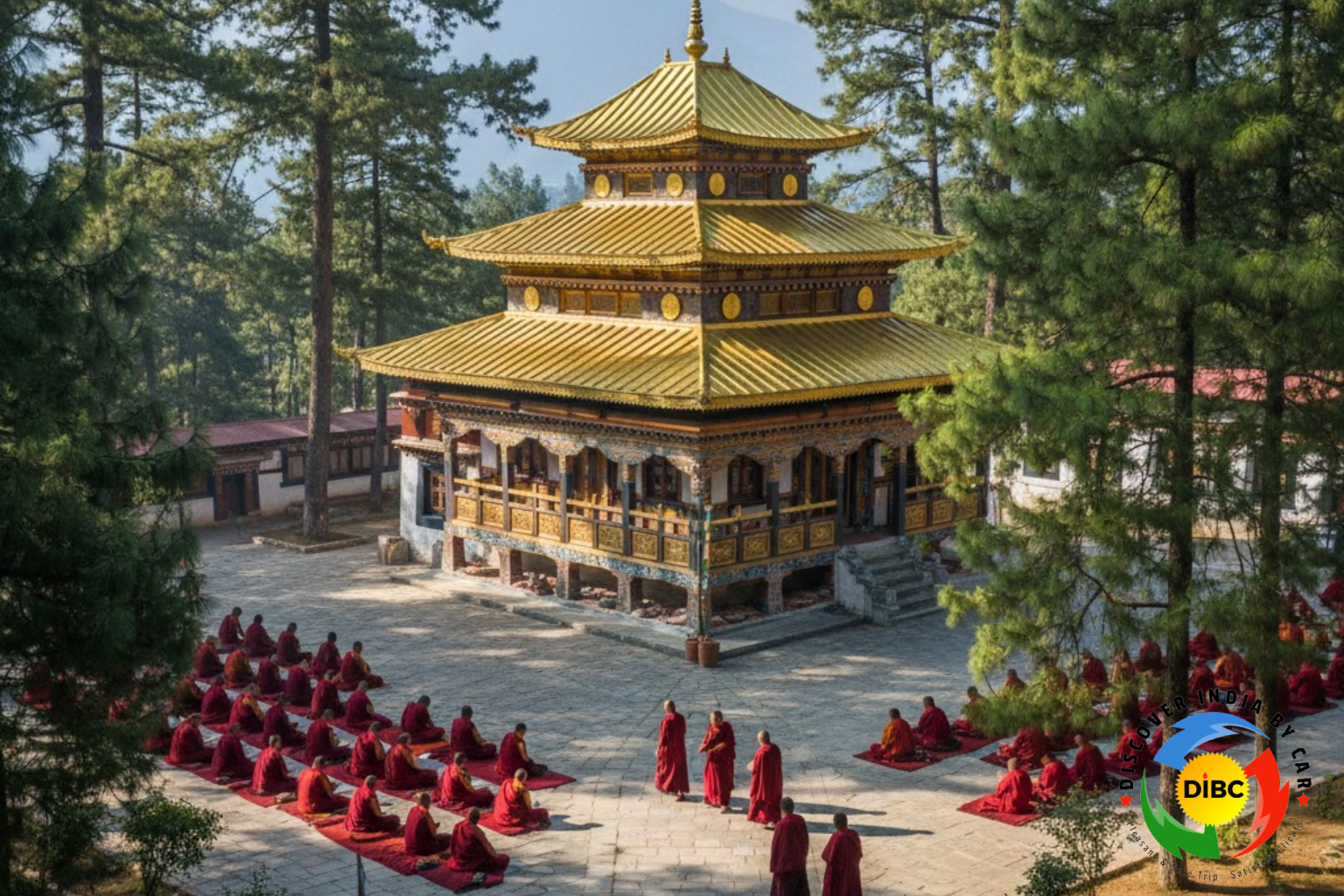
Explore Namgyal Monastery & Other Monasteries
Tsuglagkhang is the most famous, but this town is full of incredible monasteries.
- Namgyal Monastery: This is essentially the Dalai Lama’s personal monastery, housed right within the main complex. The monks here are responsible for preserving some of the most intricate and important rituals in Tibetan Buddhism.
- Gyuto Monastery: You’ll need to catch a cab or an auto-rickshaw for this one, but trust me, it’s worth it. It’s world-famous for the monks’ deep, guttural, multi-tonal chanting. Hearing that sound live is something else—it’s not just a noise, it’s a physical vibration that you feel in your bones.
- Nechung Monastery: When the crowds get to be too much, this is your escape hatch. It’s a smaller, quieter monastery with a serious, contemplative vibe. It’s a great spot to just sit and think, with no distractions.
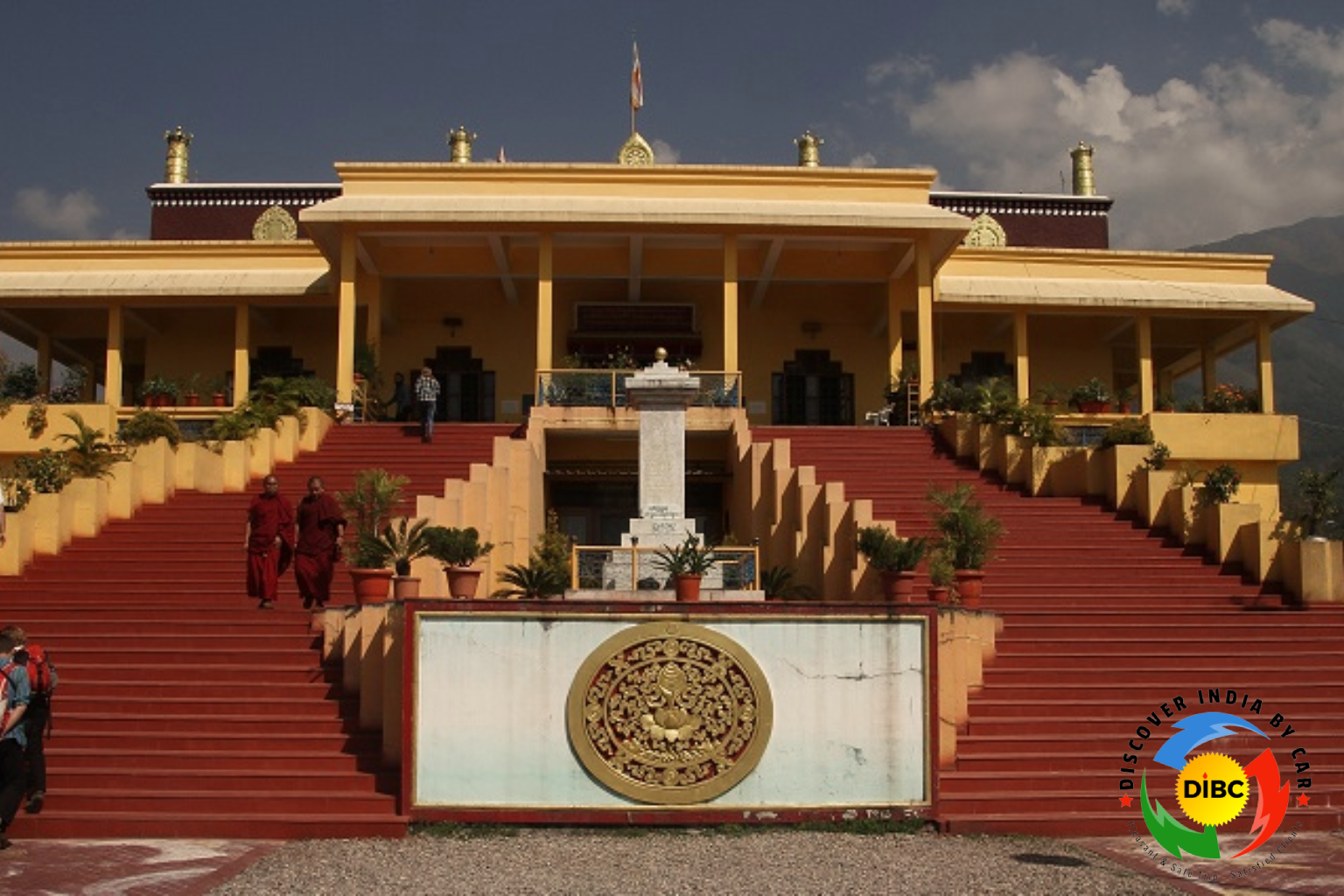
Discover the Tibet Museum
There’s a small, unassuming building near the main temple that you could easily walk past. Please don’t. This is the Tibet Museum, and it’s essential viewing. It puts the entire town into context.
Through raw photographs and heartbreaking personal stories, it tells the unvarnished truth about the Chinese occupation of Tibet and the ongoing struggle for freedom.
It’s heavy stuff, for sure. It’s not a ‘fun’ visit. But it’s powerful, and it will give you a profound sense of respect for the resilience of the Tibetan people you’ll meet just outside its doors. It will stay with you.
Indulge in the Best Cafes in McLeod Ganj
Okay, let’s talk about something lighter. The food. Oh, the food. McLeod Ganj is a haven for cafe lovers. The best cafes in McLeod Ganj are the town’s social hubs.
The sheer variety is amazing. You can have a proper Italian-style coffee in the morning, authentic Tibetan food for lunch, and finish your day with a plate of Israeli hummus and falafel. It’s a global menu for a global crowd. A few spots you just have to hit:
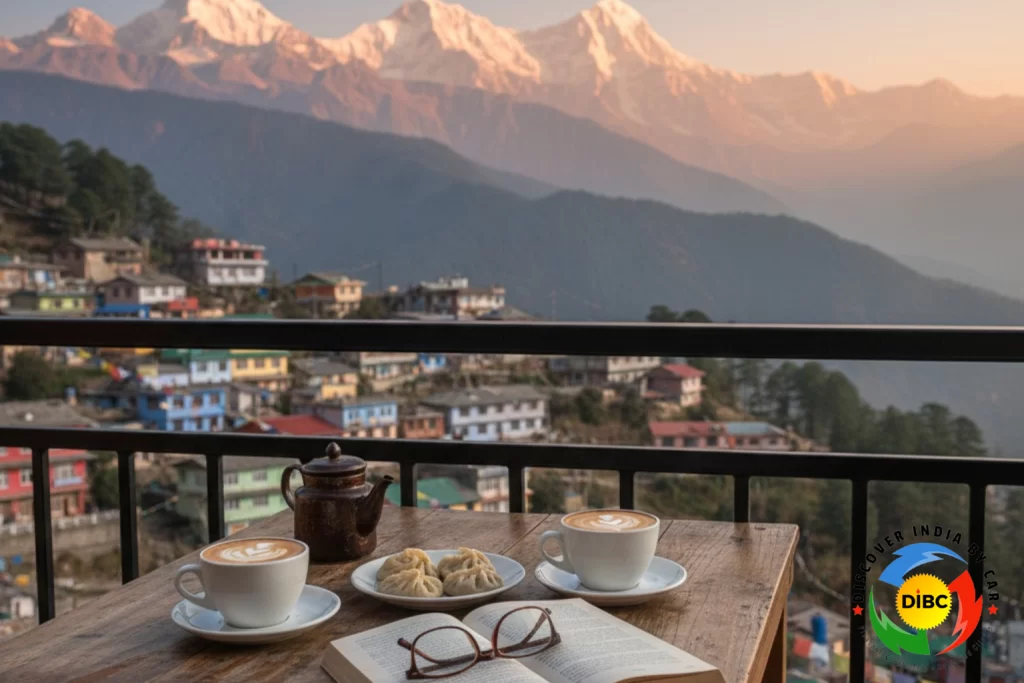
- Illiterati Books & Coffee: A legend. Part library, part cafe. Grab a coffee, find a book, and snag a table on the balcony. The view alone is worth the trip. You’ll plan to stay for an hour and end up staying for three.
- Tibet Kitchen: Don’t let the basic decor fool you. This place serves some of the most delicious, no-nonsense Tibetan food in town. Get the momos, get the thenthuk. You won’t regret it.
- Jimmy’s Italian Kitchen: When you’re craving some carbs and comfort, this is the place. It’s a cozy institution that serves up big, hearty portions of pasta and pizza that just hit the spot after a long day of walking.
- Woeser Bakery: A tiny little spot with a massive reputation. Their carrot cake is the stuff of legends, and their coffee is the real deal.
Yoga and Meditation Retreats
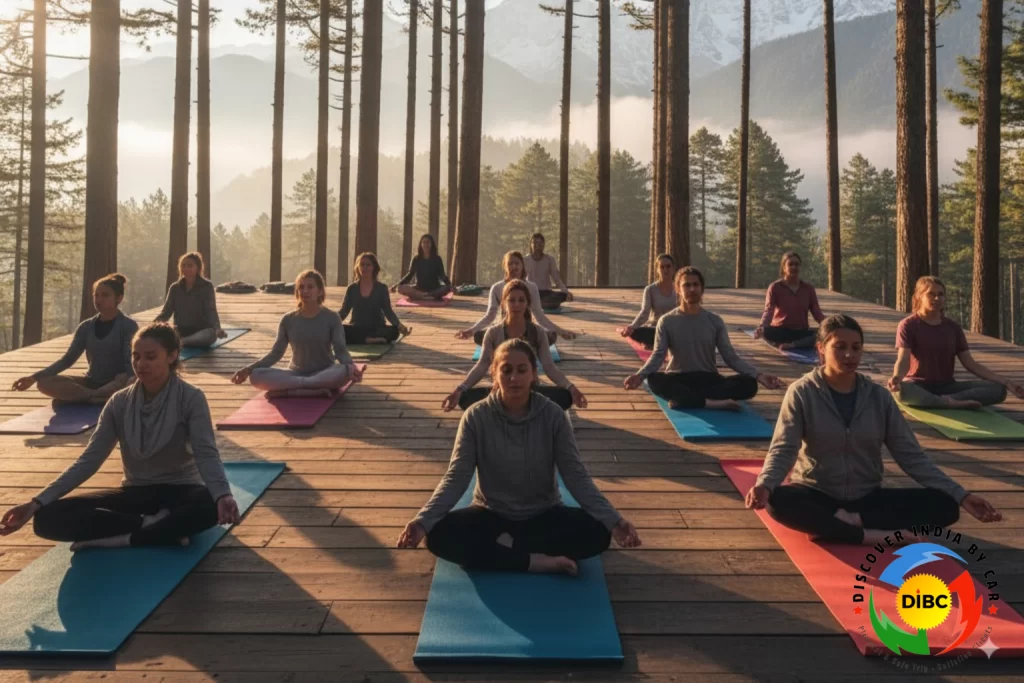
With all this spiritual energy floating around, it makes sense that McLeod Ganj has become a hotspot for yoga and meditation. There’s something about the mountain air and the constant presence of monastic life that just makes you want to slow down and breathe a little deeper.
You can find anything and everything here. Drop-in for a single yoga class to stretch out your travel-weary muscles. Or go all-in with a 10-day silent Vipassana course that will change your relationship with your own mind. Tushita Meditation Centre, up in the woods above Dharamkot, is famous for its excellent introductory courses on Buddhist philosophy.
Trekking Adventures from McLeod Ganj
You can’t sit in the lap of the Himalayas and not want to climb them. For many, trekking is the main event.
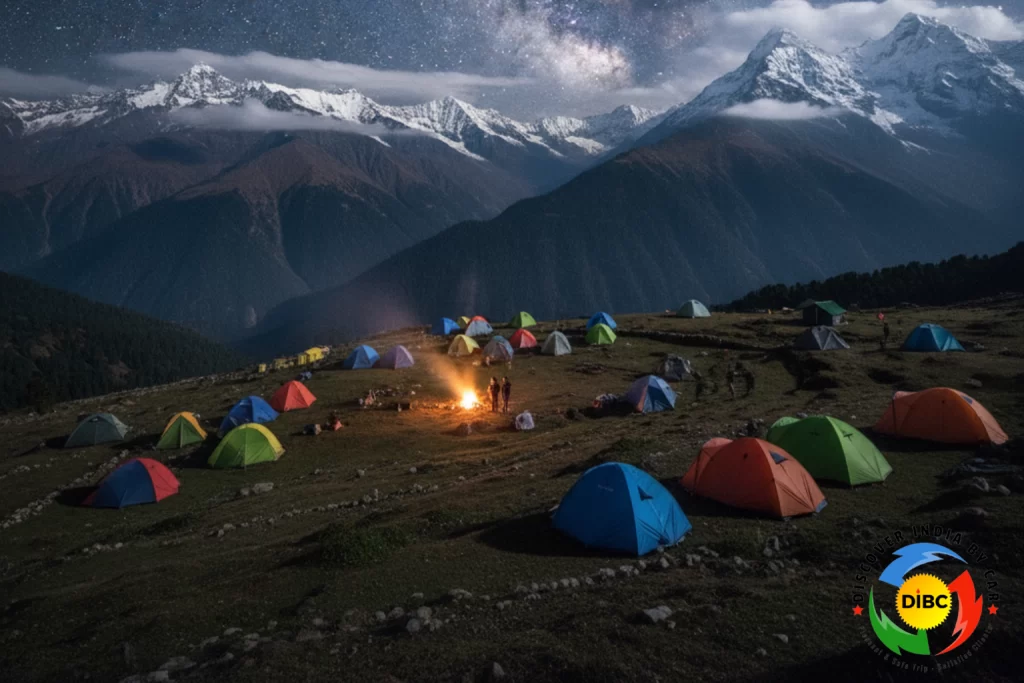
- Triund Trek: Ah, Triund. The classic. The Triund Trek is a rite of passage for almost everyone who visits McLeod Ganj. It’s a steep, roughly 9-kilometer climb to a vast, spectacular meadow perched on a mountain ridge. The last stretch, known as the “22 Curves,” is a leg-burning, lung-busting grind. No sugarcoating it. But when you finally stumble over that last rise and the entire Dhauladhar range explodes into view, all that pain just melts away. It’s a breathtaking, humbling sight. Do not, under any circumstances, just hike up and down in a day. You have to camp overnight. Watching the sun set the peaks on fire, then seeing the Milky Way blaze across an ink-black sky… it’s a core memory waiting to happen.
- Other Treks: If Triund just whets your appetite, there are bigger challenges. You can continue from there to the Indrahar Pass, a serious high-altitude trek. Or you can tackle the Kareri Lake trek, another stunning multi-day adventure.
Relax at Bhagsu Waterfall & Bhagsunag Temple
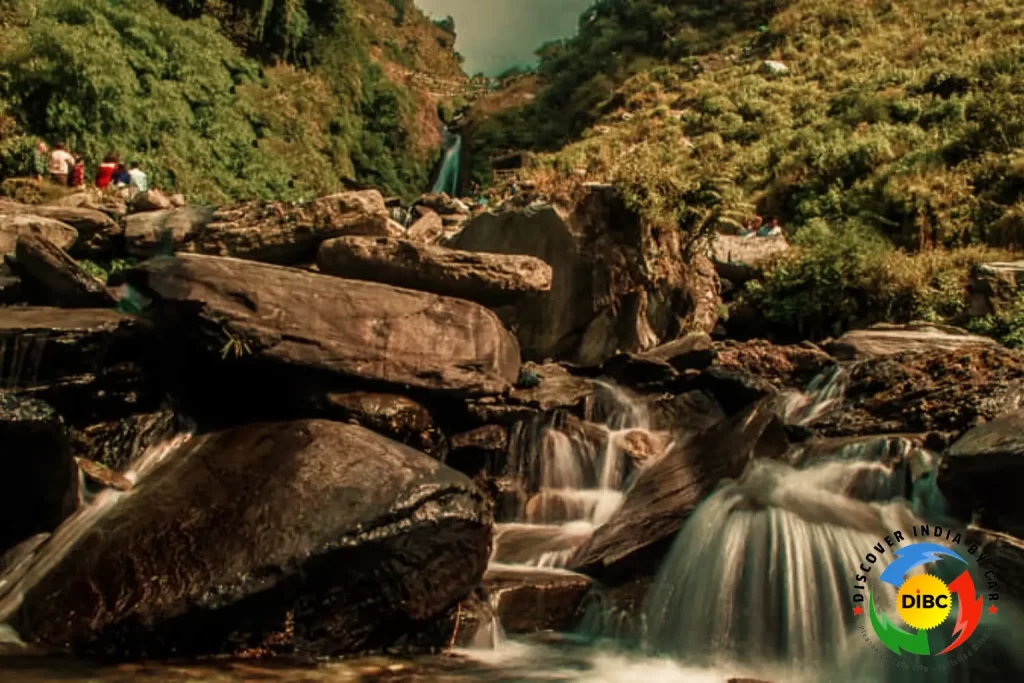
Just a couple of kilometers from the main square, Bhagsu has a vibe all its own. You’ll first come across the old Bhagsunag Temple. Follow the path past the endless stalls selling tourist trinkets, and you’ll end up at the Bhagsu Waterfall. It’s less a serene nature spot and more a lively social gathering. On a sunny day, it’s packed with people. The real joy of Bhagsu is finding a table at one of the cliffside cafes, ordering a chai, and just watching the whole scene unfold.
McLeod Ganj Travel Guide
Convinced? Good. Here’s the nuts and bolts info you’ll need. Think of this as your personal travel guide.
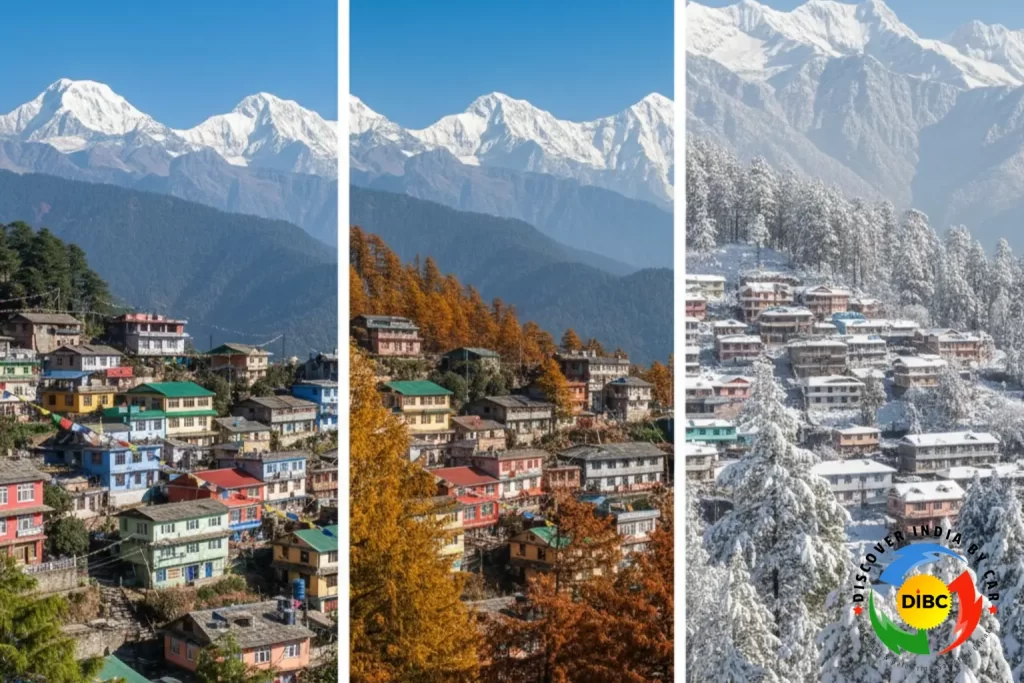
Best Time to Visit McLeod Ganj
- Spring/Summer (March to June): Great weather, clear views. It’s also peak season, so expect crowds and higher prices.
- Monsoon (July to September): It’s incredibly green and beautiful, but it rains. A lot. Landslides are a real possibility, and trekking is a bad idea.
- Autumn/Winter (October to February): My personal pick. The air after the monsoon is unbelievably clear, and the views are epic. But pack warm. Seriously warm. It snows in winter, which is magical if you’re prepared for it.
How to Reach McLeod Ganj
- By Air: Gaggal Airport (DHM) is the closest. From there, it’s about an hour in a taxi up the winding roads.
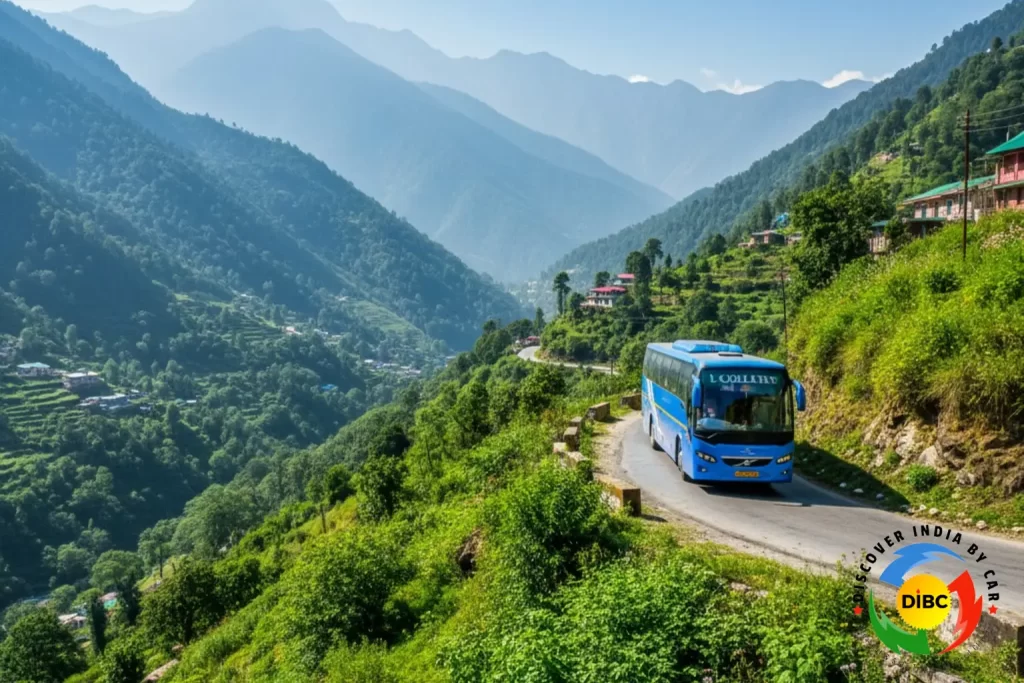
- By Bus: This is the go-to option for most. The overnight Volvo from Delhi is the easiest way. You’ll sleep (mostly) through the long journey and wake up in the mountains.
- By Train: You can take a train to Pathankot Cantt (PTKC), but that’s still a good 3-4 hour bus or taxi ride away.
Where to Stay in McLeod Ganj
- Budget Hostels: If you’re traveling solo or on a tight budget, places like Zostel and Hosteller are no-brainers. You’ll meet other travelers instantly.
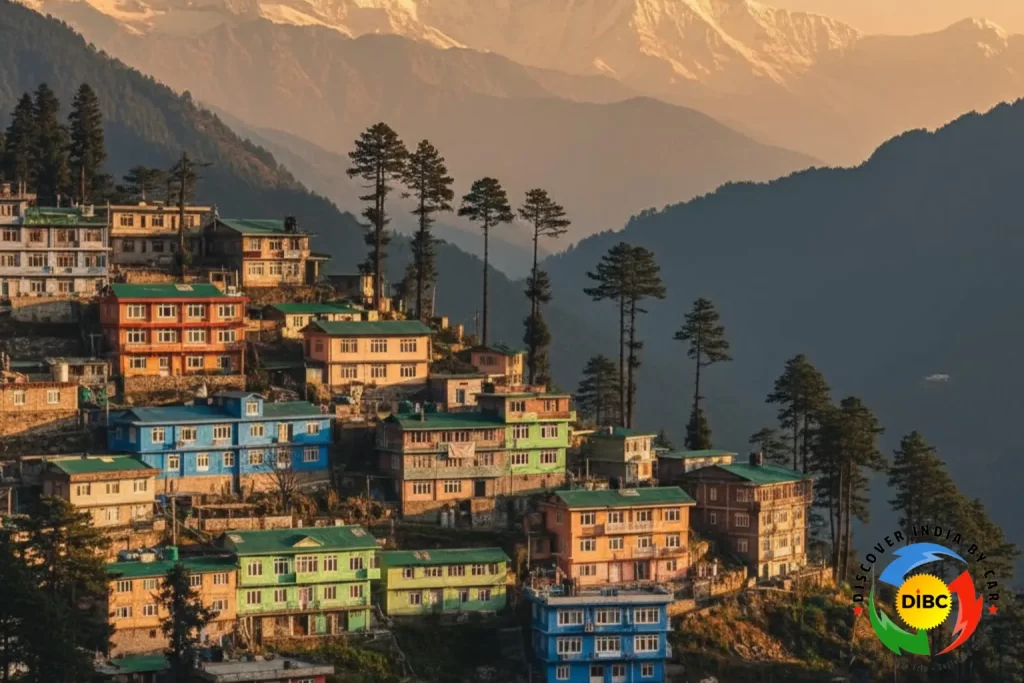
- Mid-Range Hotels: There are tons of family-run guesthouses. They might be a bit basic, but they’re full of character and often have balconies with killer views.
- Luxury Stays: Looking for comfort? Hyatt Regency Dharamshala offers modern luxury, while Chonor House gives you a chance to stay in a room decorated with authentic Tibetan art.
Insider Secret: The main town can be a bit much. For a quieter, more bohemian experience, stay in Dharamkot. It’s a peaceful little village a short, steep walk up the hill, with great cafes and no cars.
Culture & Lifestyle of McLeod Ganj
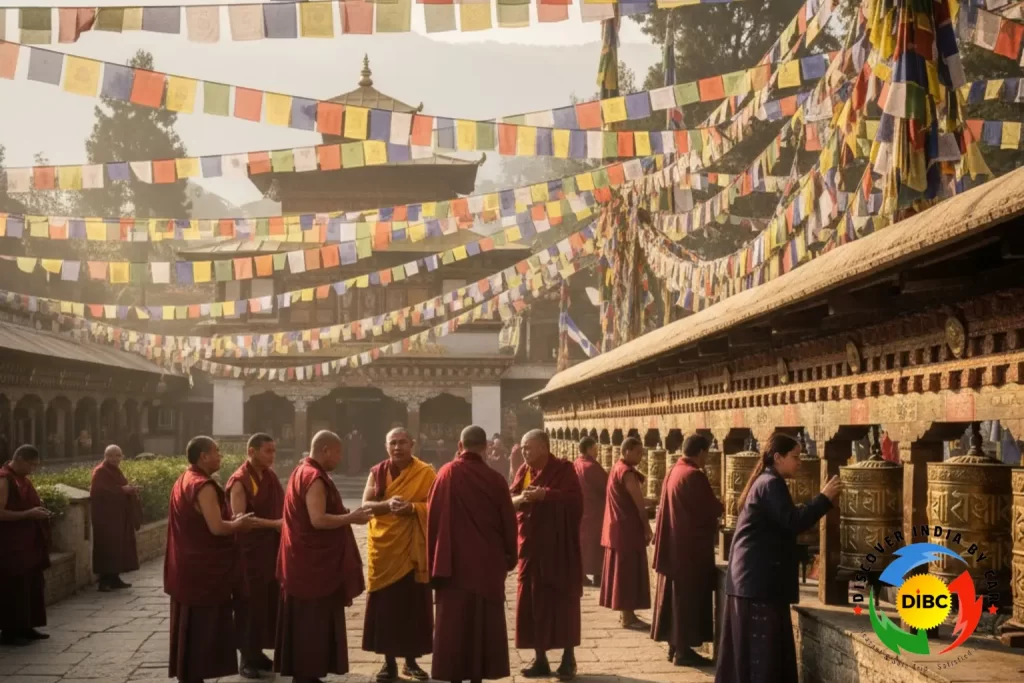
The Tibetan culture here is not behind glass in a museum. It’s alive. It’s the sound of prayer wheels spinning 24/7. It’s the sight of monks debating in a temple courtyard. It’s the taste of salty butter tea. The pace of life is different here, guided by the Buddhist ideals you see in practice all around you. If you get a chance to be here for Losar (Tibetan New Year), you’ll see the town explode with color, music, and deep-rooted tradition.
FAQs About McLeod Ganj
Q1. Why is McLeod Ganj called Little Lhasa?
A. Bottom line: It’s the home of the Dalai Lama and the headquarters of the Tibetan Government-in-exile. It’s the global heart of the Tibetan diaspora.
Q2. What are the best places to visit in McLeod Ganj?
A. You have to see the Dalai Lama Temple, the Tibet Museum, and Bhagsu. And if you’re able, you have to do the Triund trek. But the best place might just be a random rooftop cafe you discover on your own.
Q3. How many days are enough for a McLeod Ganj trip?
A. To do it justice? Give yourself at least 4-5 days. That’s enough to see the sights, do the Triund trek overnight, and have a day to just chill in a cafe and do nothing.
Q4. Which is the most famous trek in McLeod Ganj?
A. Hands down, the Triund Trek. It’s famous because it gives you a million-dollar Himalayan view for a relatively achievable amount of effort.
Q5. Is McLeod Ganj safe for solo travelers and foreigners?
A. Absolutely. It’s been a staple on the international travel circuit for decades. It’s one of the safer, more comfortable places for solo travelers (including women) in India. Just use your street smarts like you would anywhere.
Conclusion
McLeod Ganj is one of those places. It’s a town with a real, palpable soul. It gets into your head and under your skin. It’s a place that teaches you things without trying to. It’s a story of survival you can walk through, a spiritual hub where you can just be yourself, and an adventure that starts the moment you arrive.
It’s a special kind of magic. Don’t just read about it. Go see it, feel it, taste it. Find your own story in the chaotic, beautiful streets of Little Lhasa.